Chat Dating App Notification Symbols You Should Never Ignore
Chat dating app notification symbols are the visual icons and alerts that tell you someone liked your profile, read your message, or is actively typing a reply right now. They seem small, but they carry serious emotional weight. If you’ve ever felt your stomach flip when a match notification popped up, you already know exactly what we’re talking about.
Over 366 million people used dating apps worldwide in 2023, and by 2026 that number has grown even further, especially across the USA. With so many people swiping, matching, and messaging daily, these tiny symbols have quietly become one of the most powerful forms of modern romantic communication. Understanding what they actually mean, not just what they feel like, can completely change how you experience online dating.
What Are Chat Dating App Notification Symbols?
Chat dating app notification symbols are the icons, badges, and visual indicators built into platforms like Tinder, Bumble, Hinge, and Badoo. They fall into two main categories: action symbols (likes, matches, new messages) and status symbols (online indicators, read receipts, typing dots). Together, they create a silent language running underneath every digital conversation.
Apps use symbols instead of text because they’re faster, universal, and emotionally efficient. A red heart communicates attraction instantly. A green dot tells you someone is available right now. No words needed. That efficiency is exactly why these symbols feel so loaded when you’re waiting for a response.
It’s also worth knowing that some symbols are free while others are locked behind premium subscriptions. Seeing who viewed your profile on Tinder requires Tinder Gold. Read receipts on Bumble come with their premium tier. Knowing this upfront saves a lot of confusion.
A Brief Evolution of Dating App Icons and What They Replaced
Before apps, people waited by the phone. Before phones, they waited for letters. Romantic communication has always relied on symbols, just in different forms. A wax seal on an envelope was the original “message delivered” signal. A flower left at someone’s door was essentially an early heart icon.
The digital shift happened fast. Early dating sites like Match.com used basic inbox alerts in the late 1990s. Then smartphones arrived, Tinder launched in 2012, and the swipe gesture turned attraction into a single motion. Icons replaced words, and notification symbols became the heartbeat of modern romance.
Today’s apps have gone even further. Hinge now uses AI-powered “Most Compatible” match alerts. Tinder has introduced smart suggestions based on your behavior patterns. These aren’t just icons anymore. They’re personalized emotional signals designed around how you specifically date.
Deep Symbolic Meaning Behind Chat Dating App Notification Symbols
These symbols work on three levels simultaneously: spiritual, psychological, and cultural. Most people only think about the surface meaning, but going deeper explains why a simple notification can genuinely affect your mood for hours.
Spiritual Level
At the most fundamental level, a notification symbol means someone is thinking about you. That’s not a small thing. Humans have a deep, ancient need to be seen and acknowledged. A match notification is a modern signal fire. It says “I noticed you” without a single word spoken.
In the USA, intentionality around relationships and manifestation culture have grown significantly. Many people now treat a meaningful match notification as a sign worth paying attention to. Whether you hold that belief or not, the emotional response is completely real. Being chosen, even digitally, activates something deeply human inside us.
Psychological Level
This is where things get genuinely fascinating. Dating apps are built using the same psychological principles as slot machines. The reward is unpredictable, which makes it more addictive rather than less. You don’t know if the next swipe will bring a match, so you keep swiping.
Specific symbols trigger specific emotions consistently. A heart notification triggers excitement and validation. A seen receipt with no reply triggers anxiety and overthinking. The typing indicator creates suspense, almost like holding your breath mid-conversation. A disappeared match creates quiet confusion and a sting of rejection.
Therapists and relationship coaches across the USA now specifically address notification anxiety as a legitimate mental health concern. It’s not dramatic. It’s dopamine science applied directly to human longing.
Cultural Level
According to Pew Research, 53% of Americans under 30 have used a dating app. That’s more than half a generation processing romance through icons and alerts. American dating culture shifted dramatically in under two decades, moving from phone calls to texts to swipe-based apps, and symbols filled the gap that words used to occupy.
Instant gratification culture makes these symbols feel urgent. When a notification appears, there’s a cultural expectation to respond quickly. Understanding that this pressure is cultural rather than personal can take a lot of unnecessary stress off your experience.
Types of Chat Dating App Notification Symbols (App-by-App Breakdown)
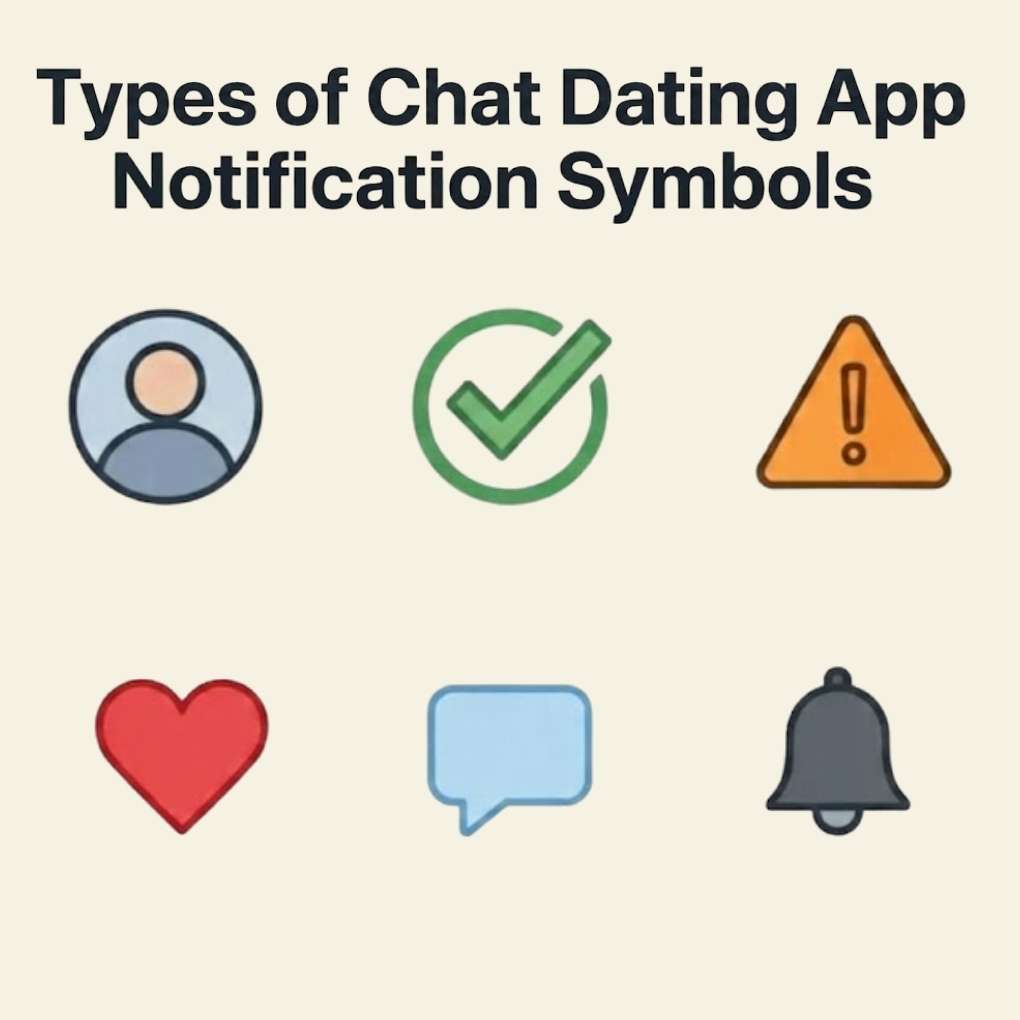
Symbols look similar across apps, but their exact meaning varies by platform. Here’s what they actually mean where it counts.
1. Heart Icon ❤️: What It Really Means Across Different Apps
The heart is the most universally recognized romantic notification symbol in digital dating. But it doesn’t mean exactly the same thing on every app.
| App | Heart Symbol Meaning |
| Tinder | Right swipe or Super Like |
| Hinge | Like on a specific photo or prompt |
| Bumble | Standard like; gold heart means it’s a match |
| Badoo | Like, part of the admirers system |
On most apps, seeing exactly who sent you a heart requires a paid upgrade. That’s intentional design. It creates curiosity, which drives premium subscriptions.
2. Double Tick ✔✔: Delivered, Seen, and the Silence After
The double tick is probably the most emotionally charged symbol in digital communication. One tick usually means delivered. Two ticks mean seen. And once you know someone has seen your message, the waiting begins.
Read receipts are often a premium feature. Tinder Platinum unlocks them. Bumble Premium includes them too. If you’re on a free plan and wondering why you can’t tell if your message was read, that’s exactly why.
Here’s something worth remembering: people check apps while commuting, at work, and between meetings. A “seen” receipt doesn’t automatically mean they’re ignoring you. It often means they saw your message and simply haven’t found the right moment to respond yet.
3. Typing Indicator (…): The Three Dots That Hold Your Breath
Those three animated dots are one of the most psychologically powerful chat app notification icons ever designed. They signal that a real person is actively thinking about what to say to you. That’s surprisingly intimate.
“Phantom typing” is a real phenomenon. The dots appear, then disappear, and no message arrives. This happens because the person started typing, second-guessed themselves, and deleted it. It’s a human moment, not a rejection signal. Don’t read too deeply into it.
4. Flame Icon 🔥: Passion, Streaks, and What It Actually Signals
On Tinder, the flame often appears when your profile is boosted or trending in your area. On apps that track conversation streaks, it signals ongoing engagement between two people. Many American users already know this icon from Snapchat streaks, so it carries a familiar “keep this going” energy.
It’s more of a motivational symbol than a purely romantic one. The app is essentially saying “you’re active, keep engaging.” Whether that engagement leads to real connection is something only you can judge.
You May Also Like: One Piece Symbols | Hidden Meanings, Deep Secrets and the Powerful Messages Behind Them
5. Message Bubble 💬: Your Inbox Is Trying to Tell You Something
The message bubble with a badge number is simple but easy to misread. A new match notification and a new message notification can look nearly identical on some apps. Bumble organizes these differently than Hinge, which is different again from Tinder’s inbox layout.
A practical tip worth trying: turning off badge counts on your phone can genuinely reduce app notification anxiety without making you miss anything important. You check the app on your own terms instead of the app’s.
6. Eye or Profile View 👀: Who’s Been Checking You Out
Profile view alerts mostly live behind paywalls on Tinder Gold, Badoo, and Plenty of Fish. When someone views your profile multiple times without matching, it doesn’t automatically signal rejection. It often means they’re genuinely interested but still undecided.
This symbol taps directly into emotional validation online. Knowing someone looked at you feels affirming. Just be careful not to over-interpret it or build a story around it.
7. Green Dot 🟢: Active Now and What It Really Means
Tinder shows “Active Today” or “Active This Week.” Bumble and Hinge have similar “Recently Active” badges on profiles. Here’s the important nuance that most competitors miss: active doesn’t mean online right now. It often means the app was briefly opened in the background or quickly checked.
The anxiety around the green dot is one of the most common frustrations relationship coaches hear from dating app users. Online status and emotional availability are two completely different things, and confusing them causes unnecessary stress.
Chat Dating App Notification Symbols Across Cultures
These symbols feel modern but humans have always used visual shorthand to express attraction and interest. Understanding that history adds real depth to how we use them today.
Ancient Civilizations: The Original Icons of Love and Attention
The Egyptian Eye of Horus represented awareness and protection, not unlike today’s profile view alert. In Greek mythology, Eros and his arrow were essentially the world’s first match notification. Romans exchanged tokens between admirers as a way of saying “I’m thinking of you.” The thread connecting all of these is the same: humans have always needed a visual signal that says “I see you.”
Medieval Era: When Love Letters Were the Original Notifications
A sealed letter with a wax emblem was the original “message delivered” symbol. Flowers and ribbons functioned like today’s heart icons. Courtly love traditions formalized symbolic communication between admirers in ways that feel surprisingly familiar to modern dating app users.
Eastern Cultures
In many East Asian cultures, subtle symbols carry enormous emotional weight. Japanese kokuhaku culture treats love confessions as carefully chosen symbolic moments. Chinese double happiness symbols and Indian floral traditions all reflect a long history of communicating romantic interest through carefully chosen visual signals, much like today’s digital love symbols.
Modern Western Culture
American dating culture shifted from phone calls to texts to apps in under 20 years. Emoji prepared users emotionally for icon-based communication. Research shows that emoji appear in over 90% of online conversations among Americans, which means the leap to dating app symbols felt completely natural.
Digital Global Culture: When One Symbol Means the Same Thing Worldwide
A red heart now signals romantic interest in over 100 countries. Dating apps exported American-style symbolic communication globally, creating a shared digital emotional language that transcends borders and native languages. The symbols are universal in appearance even when the emotional weight behind them varies slightly by culture.
Spiritual and Dream Meaning of Chat Dating App Notification Symbols
Many Americans report dreaming about their phones and dating apps, especially during emotionally charged dating experiences. Dreams process unresolved emotions, and heavy investment in a digital connection will naturally show up during sleep.
Dreaming of an unread message often reflects something left unsaid in a real relationship. A heart notification in a dream usually points to longing for affection and recognition. A disappeared match in a dream can signal fear of emotional loss or abandonment. Typing dots with no message often reflects anxiety about miscommunication in your waking life.
These aren’t predictions or mystical signs. They’re your mind working through feelings it hasn’t fully processed yet. Journaling about these dreams, a practice growing in popularity across USA wellness communities, can help clarify what you’re actually feeling beneath the screen time.
Positive vs Negative Meaning of Chat Dating App Notification Symbols
Positive Side: When These Symbols Genuinely Enrich Your Dating Life
A match notification can genuinely boost your confidence on a difficult day. For introverted users, romantic app indicators provide a low-pressure way to express interest without the fear of face-to-face rejection. Many couples across the USA describe their first match notification as a memory they genuinely treasure now.
Symbols also make communication efficient. You understand the situation quickly and can respond or move on without long, awkward explanations.
Negative Side: When Notification Symbols Start Hurting More Than Helping
Research has linked heavy dating app use with increased anxiety and lower self-esteem in some users. Seen message anxiety is real. Green dot obsession is real. Ghosting has become easier than ever because apps make it simple to see a message and choose silence.
The healthiest approach is setting clear boundaries with your notifications. Limit your check-in times. Turn off badges when you need mental breathing room. And remind yourself often that no symbol is a measurement of your personal worth.
Why Humans Are So Deeply Attracted to Chat Dating App Notification Symbols
It comes down to intermittent reinforcement. Unpredictable rewards are more compelling than consistent ones. That’s the same principle behind slot machines, and it’s deliberately built into dating app design by behavioral psychologists.
The red color of notification badges isn’t random either. Red signals urgency across nearly every culture on earth. It grabs your attention before your brain consciously registers what you’re even looking at.
Underneath all the psychology, though, is something beautifully simple. We want to be chosen. We want someone to think about us. A notification symbol, even a single pixel on a screen, carries that ancient and very human hope. That’s not weakness. That’s what makes us human. The key is staying aware of how these systems work so the app serves you, not the other way around.
FAQ
What do chat dating app notification symbols mean?
They are visual icons indicating actions like likes, matches, messages, and online status across dating platforms like Tinder, Bumble, and Hinge.
Why do I feel anxious when I see a read receipt?
Read receipts trigger a dopamine-driven anticipation response. Seeing “read” without a reply activates your brain’s uncertainty and mild rejection pathways simultaneously.
What does the green dot mean on Bumble and Hinge?
It indicates recent app activity, not necessarily that someone is online right this moment. The app may have simply been opened briefly in the background.
Are read receipts free on dating apps?
Usually not. Most major apps including Tinder and Bumble lock read receipts behind premium subscription tiers.
Can dating app notification symbols affect mental health?
Yes. Research supports that over-reliance on these symbols can contribute to anxiety, lower self-esteem, and emotional dependency when not managed mindfully.
Conclusion
Chat dating app notification symbols are far more than tiny icons on a screen. They are the silent language of modern romance, carrying hope, excitement, anxiety, and meaning in a single tap. Understanding what they actually mean across different apps makes you a more confident and grounded dater.
No heart icon, double tick, or green dot defines your worth. But knowing what these symbols are genuinely designed to do gives you something valuable: the ability to use the app intentionally instead of letting it quietly use you.

Mubeen is a passionate writer at Auramegazine who explores symbolism, hidden meanings, and powerful signs behind everyday symbols. He enjoys creating simple, engaging content that helps readers understand deeper meanings and cultural connections.