60+ Mysterious Filipino Symbols and Their Hidden Meanings You’ve Never Noticed
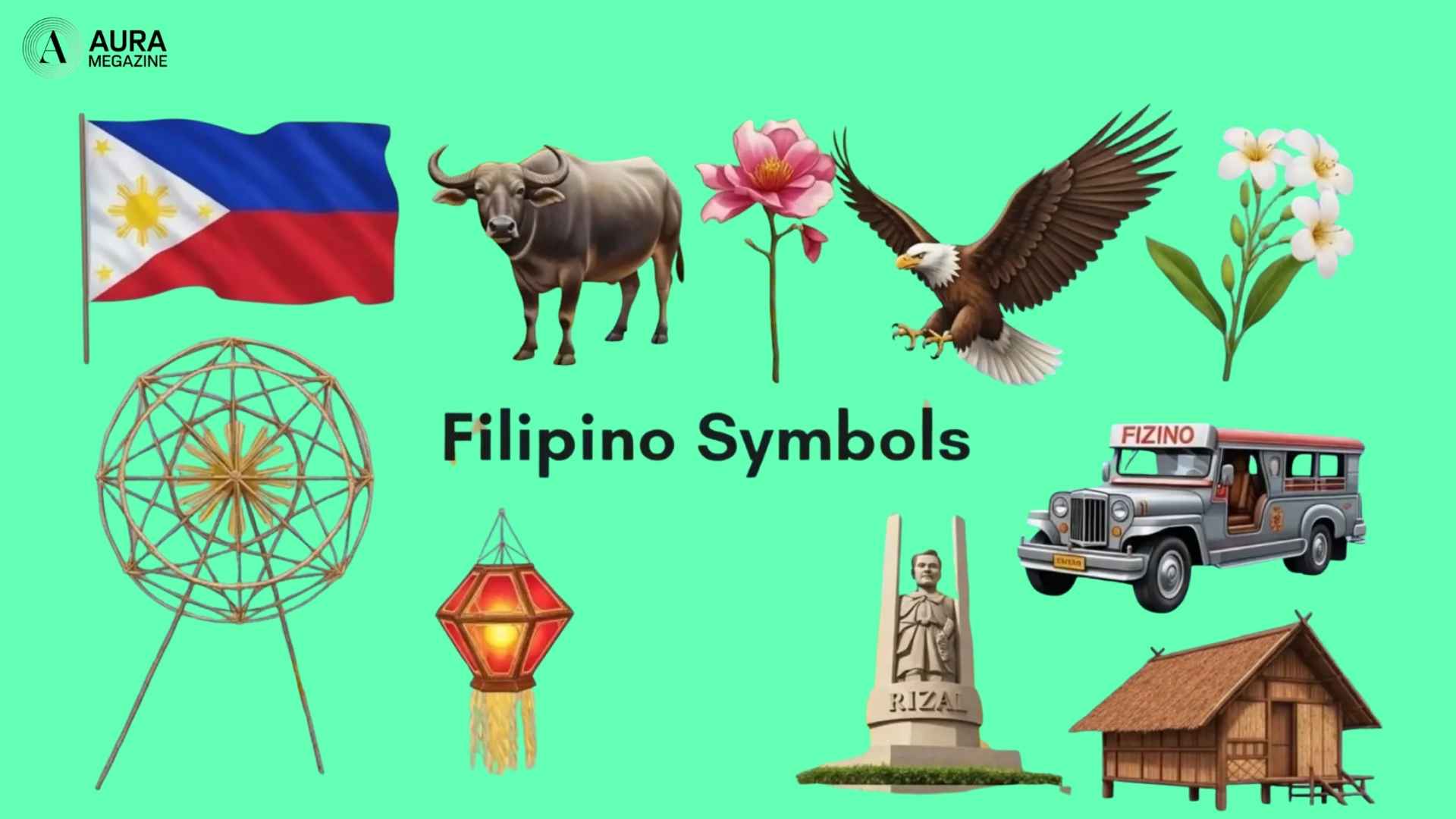
Filipino symbols are living stories carved into culture, faith, and everyday life across the Philippines. Long before written history, early Filipinos used visual markers to express status, protection, and spiritual belief. Today, these symbols still quietly shape how millions of people see themselves and their heritage.
Think of them as cultural fingerprints. Each one carries layers of emotion, history, and identity that words alone can’t capture. Whether you’re Filipino-American reconnecting with your roots or simply curious about this rich culture, these symbols will surprise you.
What Are Filipino Symbols?
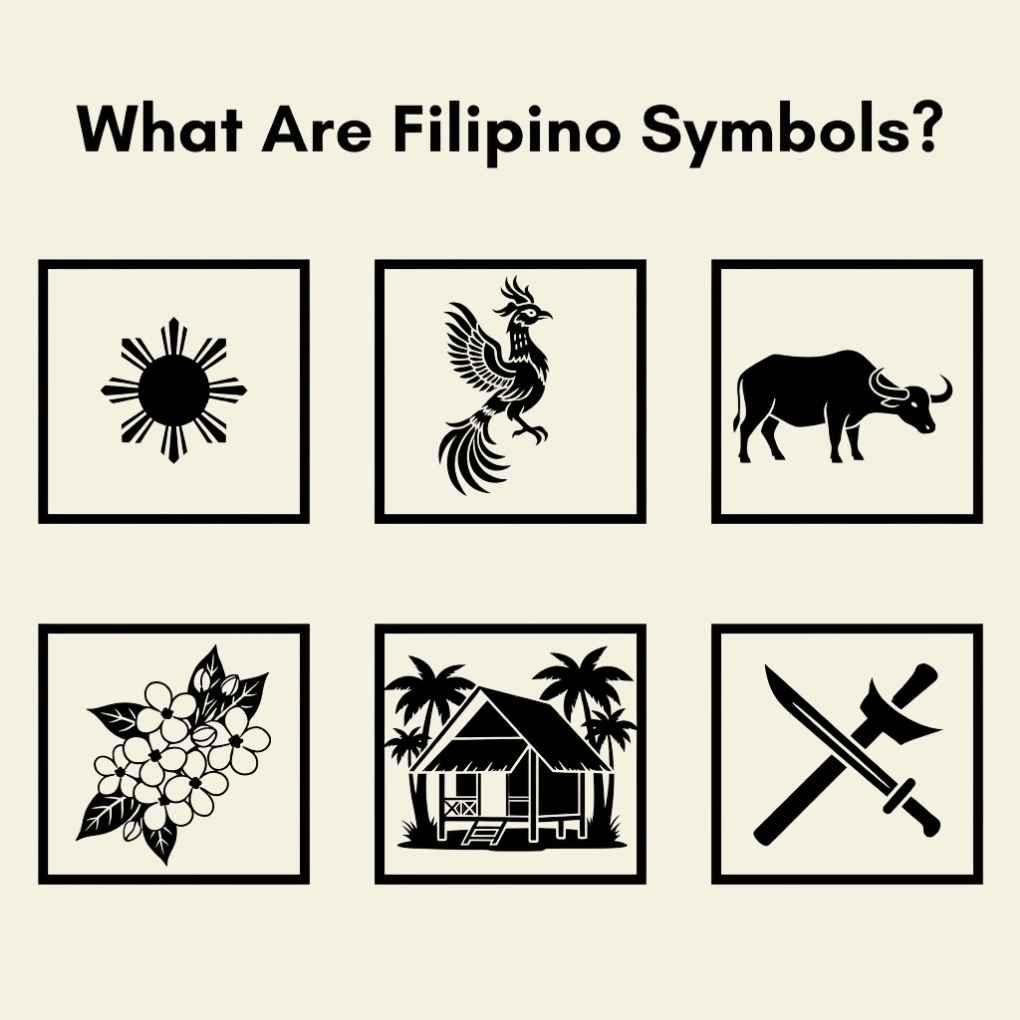
Filipino symbols are visual and spiritual representations expressing the history, values, and identity of the Filipino people. They come from indigenous traditions, pre-colonial spirituality, colonial influences, and modern national identity. Each one tells a story most textbooks never bother to tell.
Early Filipinos didn’t need paper to communicate meaning. They carved it, tattooed it, and wove it into daily life. Spanish, American, and Asian influences later blended with native traditions, creating symbols that feel layered and deeply human.
Today, Filipino cultural heritage symbols serve as bridges between past and present. They remind people of resilience through colonization, disasters, and migration while keeping cultural identity alive.
Filipino Cultural Symbols And Their Meanings
Filipino Symbols and Meanings
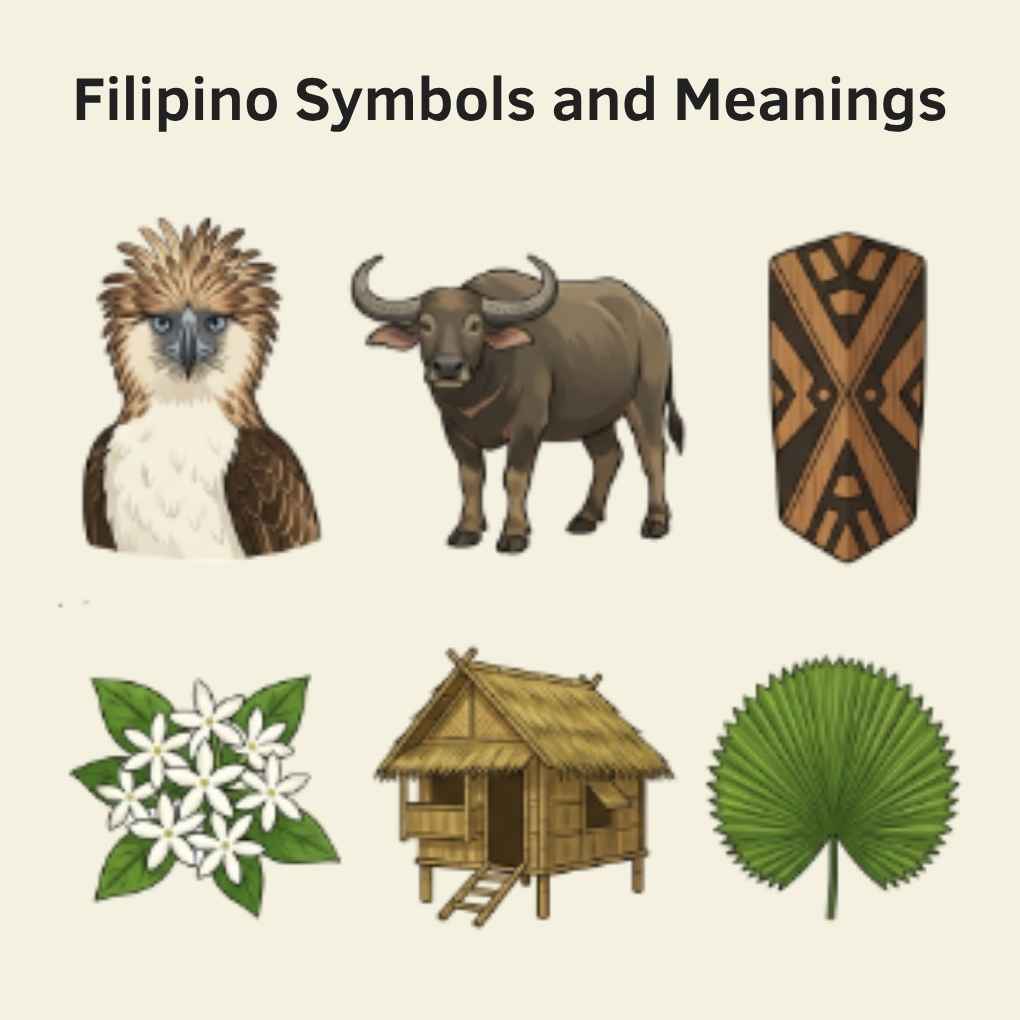
Filipino symbols and meanings connect people to ancestry, spirituality, and community values. Each symbol carries both personal significance and collective cultural weight. Understanding them means understanding the Filipino soul.
From the golden sun on the flag to ancient tribal tattoos worn by warriors, every design communicates something powerful. These aren’t decorative. They’re declarations of identity, courage, and belonging.
Filipino Flag
The Filipino flag is arguably the nation’s most powerful symbol. Blue represents peace, red stands for bravery, and white signals equality. The golden sun’s eight rays represent the first provinces that fought for independence against colonial rule.
The three five-pointed stars symbolize Luzon, Visayas, and Mindanao. Interestingly, the flag is flipped during wartime with red on top. That small detail carries enormous weight.
Filipino Symbols Tattoos
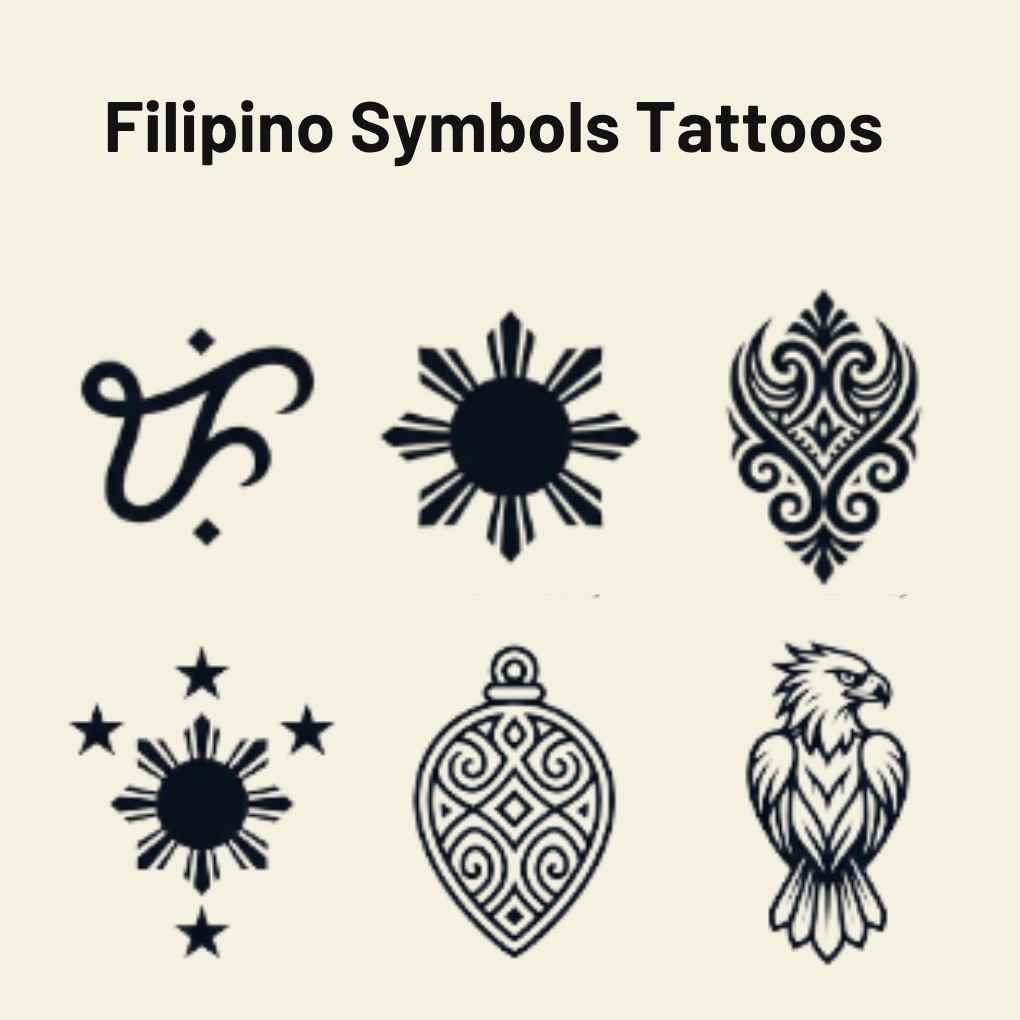
Filipino symbol tattoos connect wearers directly to their tribal ancestry and pre-colonial roots. Ancient warriors wore these marks as armor, believing symbols offered spiritual protection in battle. Today, people choose them to honor their lineage.
Designs typically feature sun patterns, wave motifs, and spear-inspired geometric shapes. Modern Filipino tattoo artists blend traditional patterns with contemporary styles while preserving their original meaning.
Filipino Symbols Letters
Baybayin symbols represent one of the most exciting cultural revivals happening today. This ancient writing system predates Spanish colonization and uses syllabic characters instead of individual letters. Each curved mark carries centuries of meaning.
You’ll spot Baybayin in tattoos, street murals, and even government signage across the Philippines. For Filipino-Americans especially, learning these characters feels like recovering something stolen.
Philippines Symbols and Meanings
Philippines symbols and meanings range from official government emblems to sacred tribal patterns. The Philippine eagle signals strength. The sampaguita flower whispers purity and devotion. Together, they paint a complete picture of Filipino values.
Schools teach these symbols to build national pride and cultural awareness. They appear in art, fashion, and festivals, constantly reminding people of shared identity.
National Symbols Of The Philippines
What Are the 10 National Symbols of the Philippines?
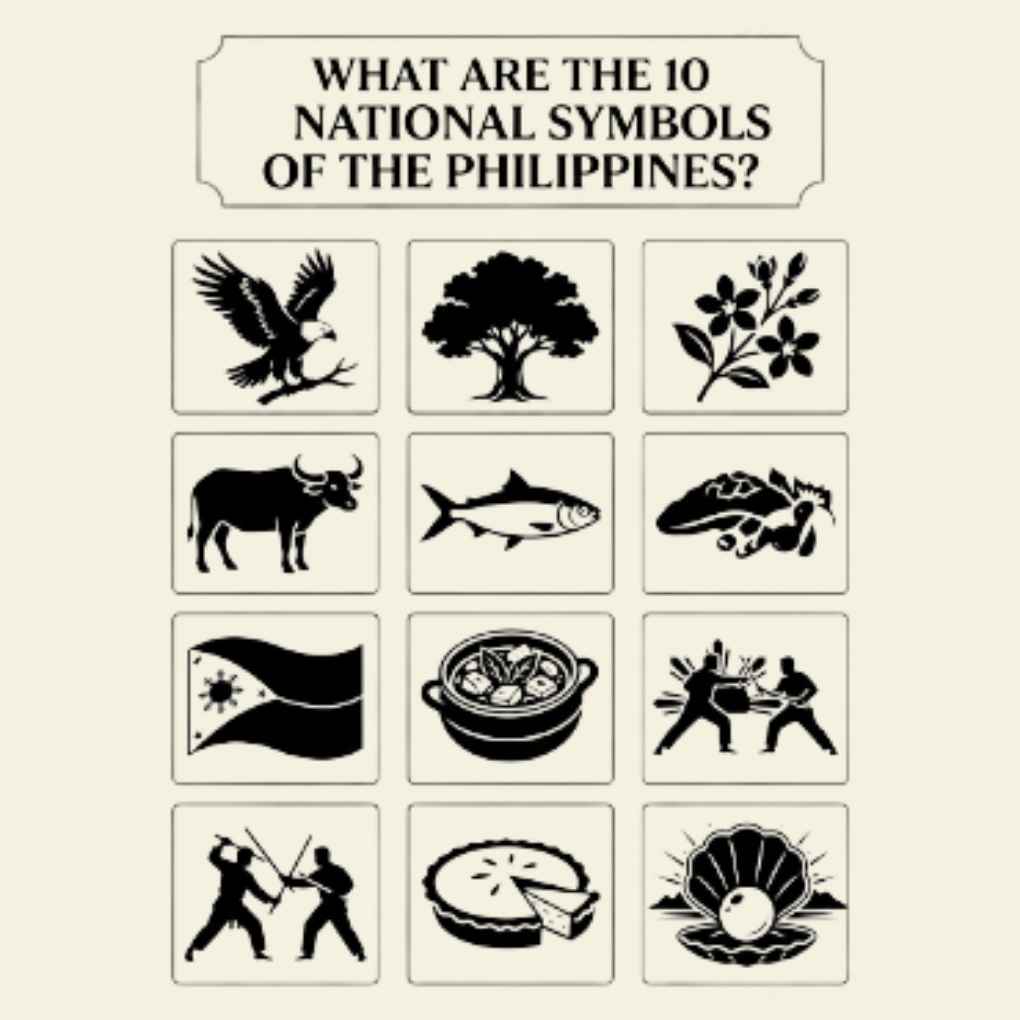
The Philippines recognizes these official Philippine national symbols:
| Symbol | Represents |
| Philippine Eagle | Strength and freedom |
| Narra Tree | Resilience and durability |
| Sampaguita Flower | Purity and humility |
| Carabao | Hard work and patience |
| Bangus (Milkfish) | National fish |
| Philippine Flag | Unity and independence |
| Adobo | National dish |
| Arnis | National martial art |
| Buko Pie | National dessert |
| Pearl of the Orient | National identity |
Philippine National Symbols PDF
Educational resources compiling Philippine national symbols with pictures and descriptions help students and researchers understand each emblem visually. These documents appear in schools and government websites across the country.
They typically include the flag, eagle, narra tree, and sampaguita with concise explanations. For Filipino-Americans wanting to teach children about heritage, these PDFs are genuinely useful starting points.
Philippines National Bird
The Philippine eagle is one of the largest raptors on Earth. It symbolizes strength, courage, and fierce independence. Because it’s critically endangered, it also represents environmental responsibility and the urgent need to protect natural habitats.
Seeing one in the wild is considered extraordinarily rare. Many Filipinos view this bird with deep reverence, almost spiritual awe.
National Tree of the Philippines
The Narra tree symbolism runs deep in Filipino culture. Narra wood is famously dense, resistant, and beautiful. It represents the unbreakable character of the Filipino people who have endured colonization, typhoons, and adversity repeatedly.
It’s been the official national tree for decades. Many Filipinos plant it as a living symbol of ancestral strength.
Ancient And Traditional Filipino Symbols
Ancient Filipino Symbols
Ancient Filipino symbols predate Spanish arrival by centuries. These designs appeared in weapons, jewelry, burial objects, and household carvings. They carried spiritual protection and communicated tribal status without a single spoken word.
Researchers continue discovering new examples through archaeological digs across the archipelago. Each find adds another chapter to a story that colonial history tried hard to erase.
Filipino Symbolism
Filipino symbolism reflects animistic beliefs where nature itself carries sacred meaning. Mountains, rivers, animals, and celestial bodies weren’t just scenery. They were living spiritual forces worthy of respect and ritual acknowledgment.
This worldview shaped every symbol early Filipinos created. Even today, that reverence for nature shows up in art, music, and community traditions.
Filipino Good Luck Symbols
Filipino good luck symbols traditionally include sun patterns, certain animal figures, and specific geometric shapes believed to attract prosperity. Communities placed them in homes, boats, and personal jewelry for daily protection and positive energy.
Even now, many Filipino households display these symbols. It’s not superstition exactly. It’s cultural continuity, a quiet conversation with ancestors across generations.
You May Also Like: 45+ Legendary Leadership Symbols From History That Still Guide Leaders Today
Filipino Protection Symbols
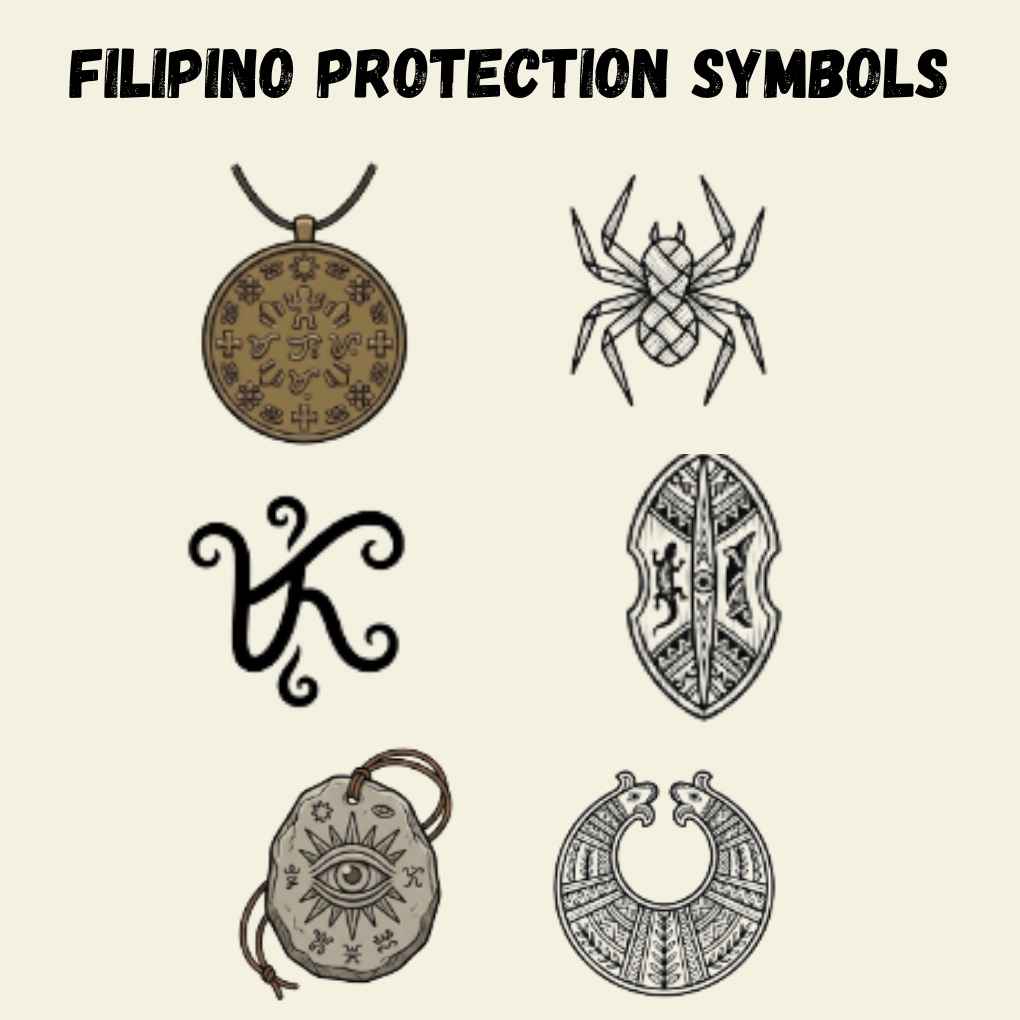
Filipino protection symbols were tattooed onto warriors before battle. Shamans blessed these marks with prayers, believing they formed invisible spiritual armor. Communities also carved protection symbols above doorways and on ritual objects.
This practice shows how deeply Filipino spiritual beliefs integrated the physical and metaphysical worlds. Protection wasn’t just physical. It was spiritual, communal, and deeply intentional.
Filipino Symbols Of Identity, Culture And Strength
Filipino Symbols for Strength
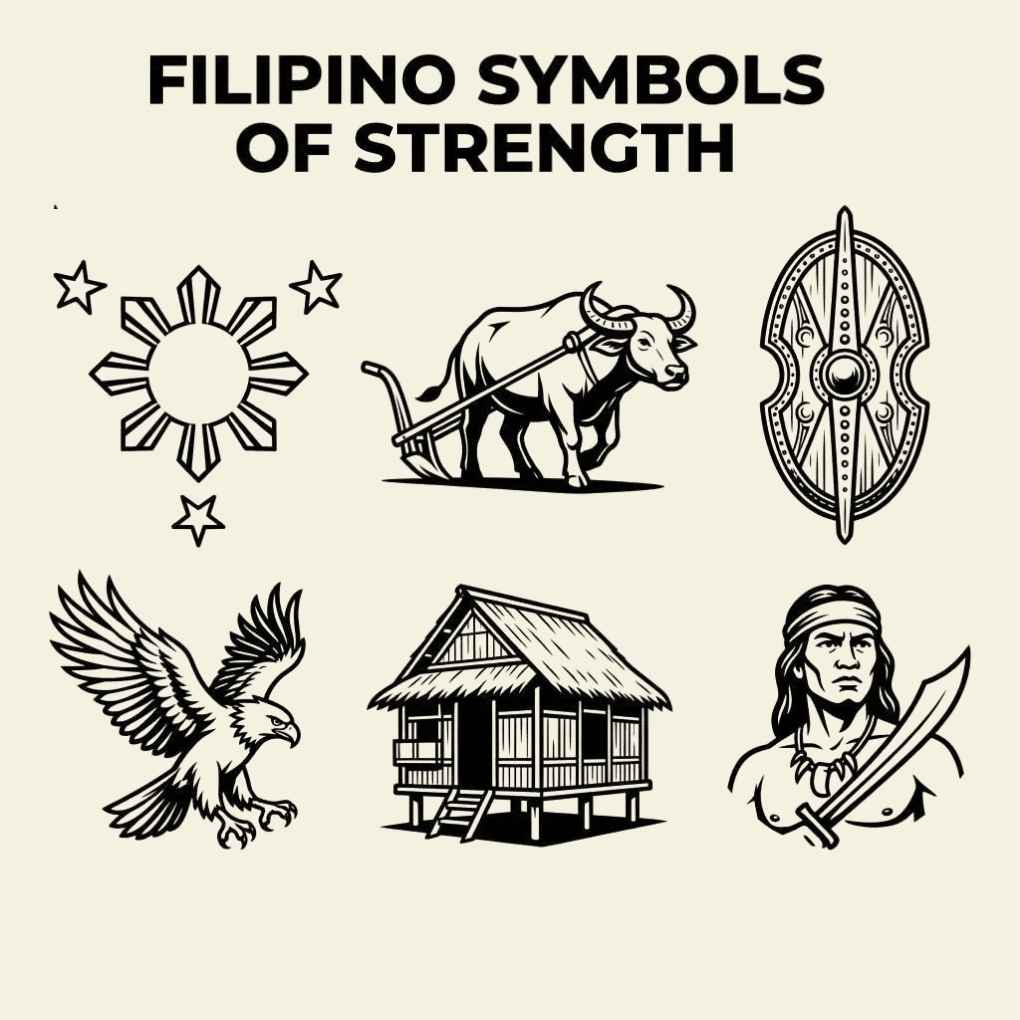
Filipino symbols of strength draw from warrior traditions and natural imagery. Bold geometric patterns, sun rays, and spear motifs communicate endurance and courage. Athletes and artists regularly adopt these designs as personal inspiration.
They carry a message that resonates across generations: strength isn’t just physical. It’s the kind that survives centuries of struggle and still creates beauty.
Symbols That Represent Filipino Culture
- Bamboo represents flexibility and resilience
- The Sun symbolizes freedom, hope, and enlightenment
- The Eagle signals fierce independence
- Weaving patterns carry community wisdom
- Baybayin script represents cultural revival and pride
Symbols of Filipino Identity
Symbols of Filipino identity remind people of shared struggles and shared victories. The sun, eagle, and traditional tribal patterns each carry emotional weight that statistics and history books simply can’t replicate.
For diaspora communities especially, these symbols anchor identity when geography separates people from their homeland.
More Ancient And Cultural Filipino Symbols
Ancient Filipino Symbols and Meanings
Ancient Filipino symbols and meanings reveal a civilization far more complex than colonial history ever acknowledged. Pre-colonial Filipinos developed sophisticated visual languages expressing spiritual beliefs, social hierarchies, and community values. These designs weren’t decorative choices. They were sacred communications.
Researchers and anthropologists continue uncovering these symbols through oral histories, archaeological sites, and indigenous community archives. Every recovered symbol adds depth to understanding early Filipino civilization.
Filipino Cultural Symbols
Filipino cultural symbols appear everywhere once you start looking. Weaving patterns carry ancestral wisdom. Architectural carvings communicate tribal identity. Even the colors communities chose for celebrations held deliberate symbolic meaning rooted in centuries of tradition.
These symbols didn’t disappear during colonization. They survived underground, preserved by indigenous communities who protected their heritage fiercely. Today they’re experiencing a powerful, emotional revival.
Ancient Filipino Symbols for Strength
Ancient Filipino symbols for strength dominated warrior culture across the archipelago. Tribal fighters tattooed bold geometric patterns onto their bodies before battle, believing these marks transferred spiritual power and divine protection directly onto their skin.
Different tribes developed distinct strength symbols. Visayan warriors wore the pintados markings. Igorot warriors carried their own unique tribal designs. Each tradition was locally specific yet universally powerful in meaning.
Filipino Symbols for Family
Filipino symbols for family typically feature circular or interconnected patterns representing unbreakable bonds. In Filipino culture, family isn’t just immediate relatives. It extends outward to include community, ancestors, and future generations simultaneously.
These symbols appear in jewelry, home carvings, and tattoos. Many Filipino-Americans choose family symbols specifically to honor both their heritage and the people who sacrificed everything to give them opportunities abroad.
Traditional Filipino Symbols and Meanings
Traditional Filipino symbols and meanings developed over thousands of years before any colonial contact. They represent values like community loyalty, respect for elders, harmony with nature, and spiritual responsibility. Each design encodes specific lessons communities wanted to preserve.
Understanding these symbols requires learning their cultural context. A sun pattern in one tribe means something slightly different from a sun pattern in another. Context always matters with Filipino heritage symbols.
Old Filipino Symbols for Strength
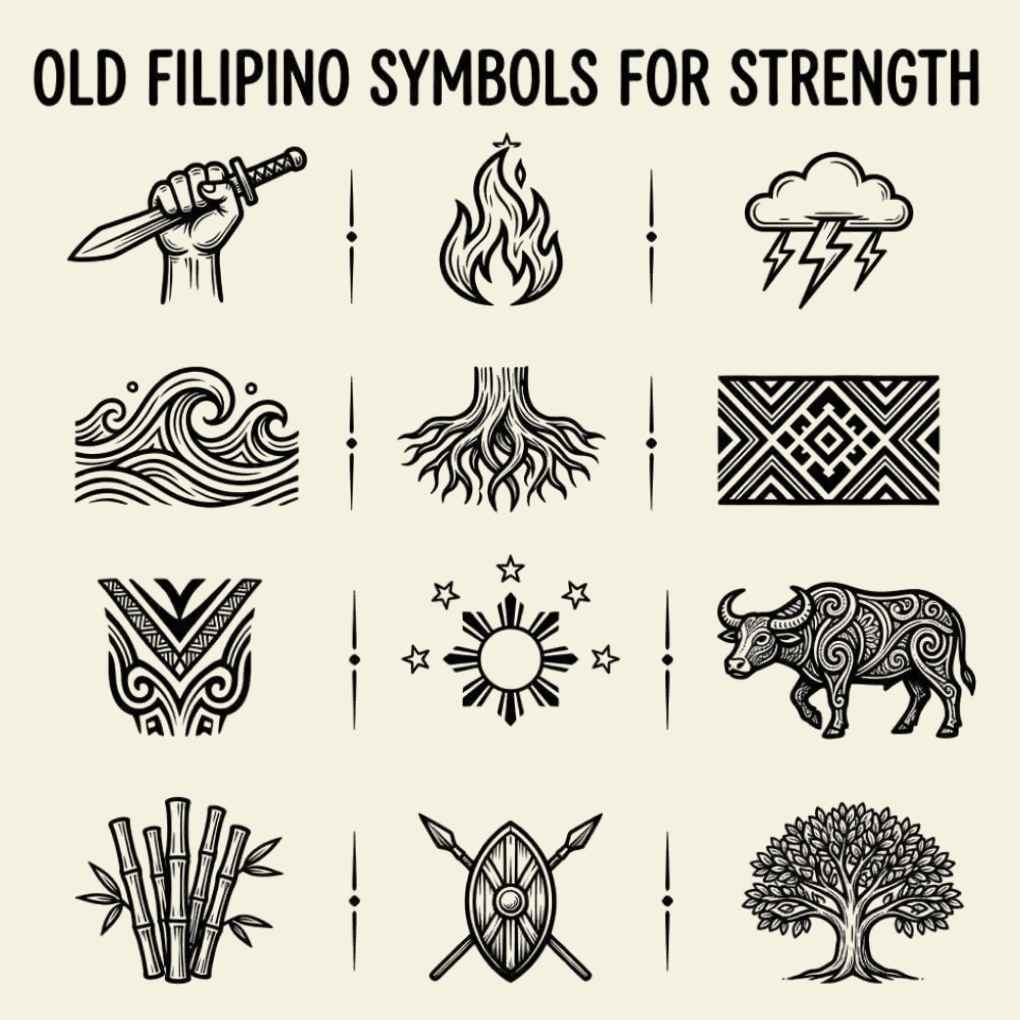
Old Filipino symbols for strength weren’t just warrior decorations. Community leaders, healers, and spiritual guides also wore strength symbols to communicate authority and divine connection. Strength meant more than physical power. It included wisdom, resilience, and moral courage.
Many of these old Filipino symbols survive today through indigenous communities in Kalinga, Mindanao, and the Cordillera region who never abandoned their traditions despite centuries of colonial pressure.
Tagalog Family Filipino Symbols and Meanings
Tagalog family Filipino symbols and meanings center heavily on unity and mutual support. Tagalog culture places enormous emphasis on the concept of “kapwa,” meaning shared identity or the recognition that self and others are deeply interconnected.
Family symbols in Tagalog tradition often reference this kapwa philosophy visually. Connected lines, overlapping shapes, and circular patterns all communicate the idea that no individual exists separately from their community and lineage.
Common Filipino Symbols
Here are the most widely recognized common Filipino symbols you’ll encounter:
- The Sun representing freedom, enlightenment, and hope
- Bamboo symbolizing resilience and flexibility under pressure
- The Philippine Eagle signifying fierce strength and independence
- Sampaguita Flower expressing purity, devotion, and humility
- Baybayin Script representing cultural revival and pre-colonial identity
- Sarimanok Bird symbolizing prosperity and divine blessing
- Okir Patterns expressing life force and spiritual continuity
- Carabao representing patience, hard work, and agricultural heritage
Filipino Symbols and Practices
Filipino symbols and practices are genuinely inseparable. You can’t fully understand the symbol without understanding the ritual surrounding it. Tattoo ceremonies involved prayer and community participation. Weaving patterns were taught during specific life stages. Carvings were blessed before installation.
This integration of symbol and practice shows how deeply Filipino beliefs and traditions embedded meaning into everyday life. Nothing was purely decorative. Everything carried intention.
Warrior Filipino Symbols
Filipino warrior symbols represent some of the most visually striking designs in the entire cultural tradition. Bold, angular, and deliberately intimidating, these patterns communicated battle readiness and spiritual protection simultaneously.
The Kalinga people of northern Luzon are perhaps most famous for preserving warrior tattoo traditions. Legendary tattoo artist Whang-Od became globally celebrated for keeping this Filipino tribal symbols tradition alive into the modern era. Her work represents living cultural heritage in the truest sense.
Philippine Filipino Symbols
Philippine Filipino symbols span both official government emblems and deeply personal tribal designs. What makes Philippine symbolism unique is how colonial history layered Christian imagery directly onto indigenous symbols without fully erasing either tradition.
The result is a fascinating visual culture where Catholic crosses share space with pre-colonial sun imagery and indigenous patterns. Both feel authentically Filipino because both genuinely are.
Ilocano Ancient Filipino Symbols and Meanings
Ilocano ancient Filipino symbols and meanings reflect the distinctive traditions of northern Luzon’s Ilocano people. Their weaving patterns, called “abel,” carry geometric symbols encoding community values, spiritual protection, and social status within intricate textile designs.
Ilocano symbols also appear in traditional architecture and ritual objects. These designs survived centuries of colonial pressure because Ilocano communities actively maintained their cultural practices as daily lived traditions rather than museum pieces.
Filipino Symbols Across Cultures
Filipino symbols didn’t develop in isolation. Ancient trade routes connected the Philippines with China, India, Malaysia, and Indonesia for thousands of years before European contact. These connections left visible traces in Philippine symbolic traditions worth examining carefully.
Okir patterns share clear visual DNA with Indonesian and Malaysian geometric traditions. Hindu-Buddhist influences arrived through early Indianized kingdoms and left lasting impressions on Filipino mythology and ritual symbolism. Chinese trading relationships introduced prosperity symbols that blended smoothly with indigenous beliefs.
During Spanish colonization, Christian symbols absorbed qualities of indigenous deities. The Virgin Mary incorporated characteristics of the diwata, the native nature spirits. Saints became protectors in ways that echoed the old anito ancestor figures. This wasn’t simple replacement. It was genuine cultural negotiation happening across centuries.
Filipino Symbols in Art, Movies and Pop Culture
Filipino symbols in art carry tremendous expressive power. Painters like Fernando Amorsolo used light, rural imagery, and nature symbolism to capture Filipino dignity and everyday beauty. Contemporary artists like Pacita Abad wove indigenous patterns into globally recognized artwork that challenged Western art world assumptions directly.
Filipino symbols in pop culture appear with increasing confidence and pride. Here’s where you’ll spot them today:
- Fashion brands like Filipiniana-inspired designers reclaim indigenous weaving patterns on international runways
- Music videos by Filipino-American artists incorporate Baybayin script and tribal imagery as identity statements
- Tattoo culture globally has embraced Filipino tribal designs, particularly Kalinga and Visayan warrior patterns
- Film and television productions use symbolic color, folklore references, and ancestral imagery to communicate cultural depth
- Social media activism uses Filipino symbols as visual shorthand for cultural pride and colonial history awareness
The global Filipino diaspora drives much of this pop culture revival. Young Filipino-Americans, Australians, and Europeans use these symbols to assert identity in countries that often flatten their heritage into stereotypes. For them, sporting a Baybayin tattoo or wearing an okir-patterned shirt isn’t fashion. It’s resistance.
Spiritual and Dream Meaning of Filipino Symbols
Filipino spiritual symbols carry meaning beyond waking life into dream interpretation and spiritual experience. Many traditional communities believed symbols appearing in dreams carried direct messages from ancestors or nature spirits requiring attention and response.
Here’s what specific symbols traditionally suggest in dreams:
| Symbol in Dream | Traditional Meaning |
| Sun appearing brightly | Inner awakening or personal transformation approaching |
| Ancestral figures | Guidance needed or unresolved emotional connections |
| Eagle soaring | Freedom from obstacles or spiritual elevation |
| Bamboo bending | Need for flexibility in current life challenges |
| Sarimanok appearing | Prosperity or divine blessing arriving soon |
| Baybayin characters | Call to reconnect with cultural roots and ancestry |
Filipino dream symbolism treats these visions seriously rather than dismissing them as random brain activity. In traditional communities, elders interpret significant dreams using accumulated cultural knowledge passed down through oral tradition over generations.
During meditation and spiritual practices, Filipino spiritual beliefs suggest these symbols may surface during moments of personal transformation. Many practitioners report that ancestral symbols appearing during meditation feel like genuine communications rather than simple imagination. Whether literally true or psychologically meaningful, the effect is often powerfully healing.
Positive vs Negative Meaning
Filipino symbols honestly carry both light and shadow simultaneously. That duality makes them genuinely powerful rather than simply decorative or sentimental. Real cultural symbols hold the full spectrum of human experience without sanitizing difficult truths.
Positive meanings these symbols carry:
- Unity and community solidarity across tribal and regional differences
- Resilience and survival through centuries of colonial occupation
- Spiritual protection and connection to ancestral wisdom
- Hope, freedom, and the ongoing pursuit of genuine independence
- Pride in indigenous identity and pre-colonial civilization
Negative or painful meanings they also carry:
- Historical trauma from Spanish, American, and Japanese colonial periods
- Grief over cultural knowledge lost during aggressive colonization campaigns
- Struggle, sacrifice, and the ongoing cost of maintaining indigenous identity
- Tension between assimilation pressure and cultural preservation instincts
This duality doesn’t weaken Filipino cultural identity. It actually strengthens it. Symbols that acknowledge both triumph and trauma feel more honest and therefore more trustworthy than symbols representing only comfortable narratives. Filipinos have earned the right to carry both stories simultaneously.
Deep Symbolic Meaning of Filipino Symbols
Spiritual Level
Filipino spiritual symbols originally connected people with anito and diwata, spirits believed to inhabit nature. Symbols acted as communication tools between the human and spirit worlds. Many still appear in prayers and sacred rituals today.
Psychological Level
Psychologically, these symbols create belonging and emotional grounding. For Filipinos abroad, seeing familiar symbols triggers powerful feelings of nostalgia, pride, and cultural reconnection. They speak to survival and inner strength in ways that language often cannot.
Cultural Level
Culturally, Filipino cultural heritage symbols preserve stories that formal history frequently overlooks. They pass wisdom between generations. Each symbol teaches respect for nature, community loyalty, and spiritual balance.
Types and Variations of Filipino Symbols
Sarimanok
The Sarimanok is a brilliantly colored mythical bird from Maranao tradition. It represents prosperity, divine blessing, and the balance between earthly life and spiritual realms. You’ll spot it in royal banners, architecture, and textiles across Mindanao.
Baybayin Script
Baybayin symbols meaning extends beyond language into cultural activism. For many young Filipinos, writing in Baybayin feels like reclaiming stolen identity. Artists, activists, and tattoo enthusiasts use it to assert pre-colonial heritage proudly.
Okir Patterns
Okir patterns flow across Mindanao architecture, boats, and textiles in plant-inspired geometric designs. They express the belief that life flows continuously, connecting all living beings across time and space.
Why Humans Are Attracted to Filipino Symbols
Humans chase stories. Filipino symbols offer exactly that: survival stories, love stories, and resistance stories compressed into visual form. They give meaning to chaos and comfort to those searching for roots.
People feel these symbols before they fully understand them. That emotional pull is their real power, and it’s why Filipino cultural identity continues thriving across generations and continents.
Conclusion
Filipino symbols are quiet but powerful storytellers. They carry faith, pain, hope, and pride across centuries without saying a single word.
Understanding them means listening to warriors, ancestors, and everyday people who refused to disappear. When you truly see these symbols, you don’t just learn history. You feel it.

Mubeen is a passionate writer at Auramegazine who explores symbolism, hidden meanings, and powerful signs behind everyday symbols. He enjoys creating simple, engaging content that helps readers understand deeper meanings and cultural connections.