120+ Spiritual Symbols and Meanings Explained | Discover the Powerful Truth Behind Ancient Signs
Spiritual symbols are visual languages that humans have used for thousands of years to express what words simply can’t capture. From the lotus flower blooming in muddy water to the ancient Egyptian Ankh carved into temple walls, these sacred signs carry layers of meaning that speak directly to the human soul.
You’ve probably seen many of these symbols without knowing their full story. Maybe you spotted an Om symbol at a yoga studio, noticed a Hamsa Hand hanging in someone’s home, or felt drawn to a mandala design without understanding why. That attraction isn’t random. It’s deeply human.
This guide breaks down 120+ spiritual symbols and their meanings in a way that’s clear, culturally respectful, and genuinely useful, whether you’re exploring spirituality, considering a tattoo, or simply curious about the ancient wisdom hidden in plain sight.
What Are Spiritual Symbols and Meanings?
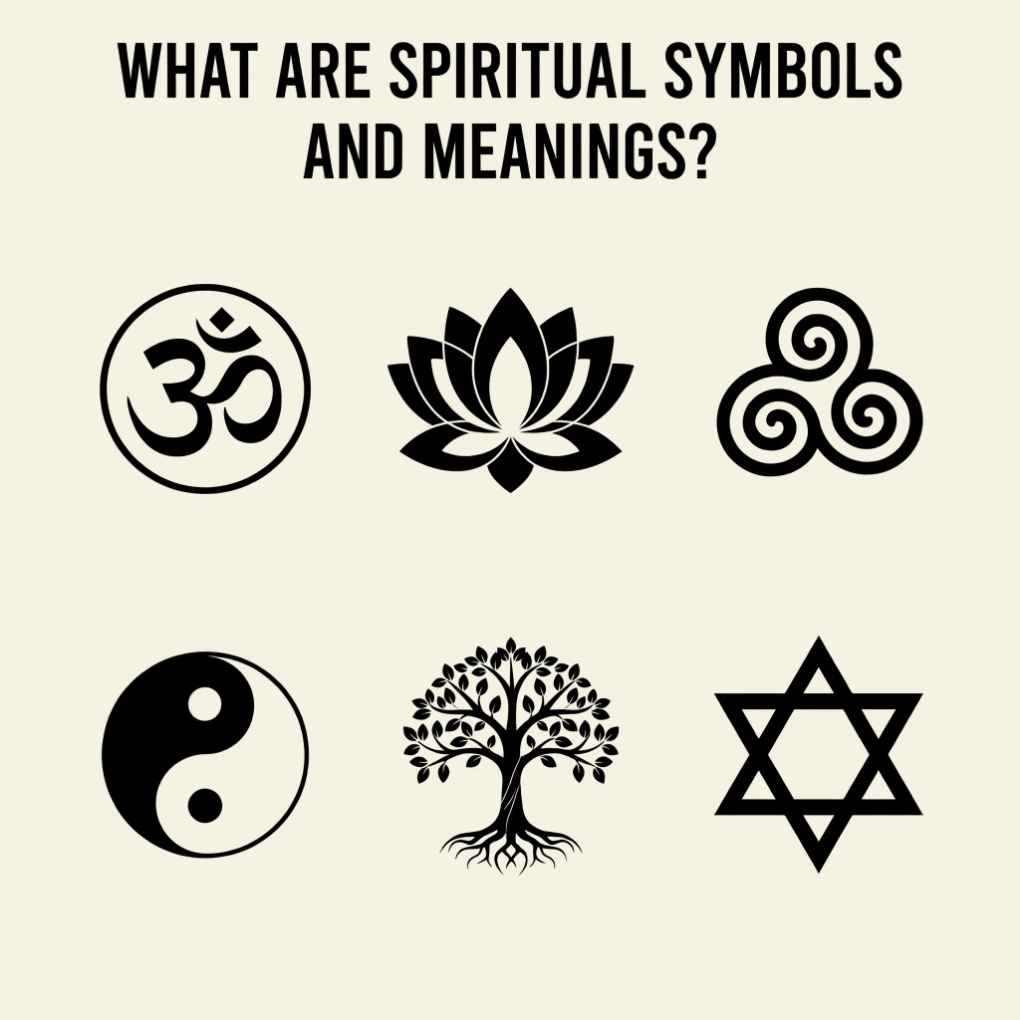
Spiritual symbols and meanings are visual representations of deeper truths about life, consciousness, the universe, and the invisible forces that shape human experience. They existed long before written language, appearing in cave paintings, carved into stone, and woven into ceremonial textiles across every civilization on earth.
Think of them as compressed wisdom. A single circle can represent eternity. A spiral can represent the journey of a soul. These shapes aren’t just decorative. They’re psychological anchors that connect you to something much larger than everyday life.
Historian of religion Mircea Eliade described sacred symbols as bridges between the ordinary world and the sacred. They make the invisible visible and give form to ideas that resist simple explanation.
Powerful And Ancient Spiritual Symbols
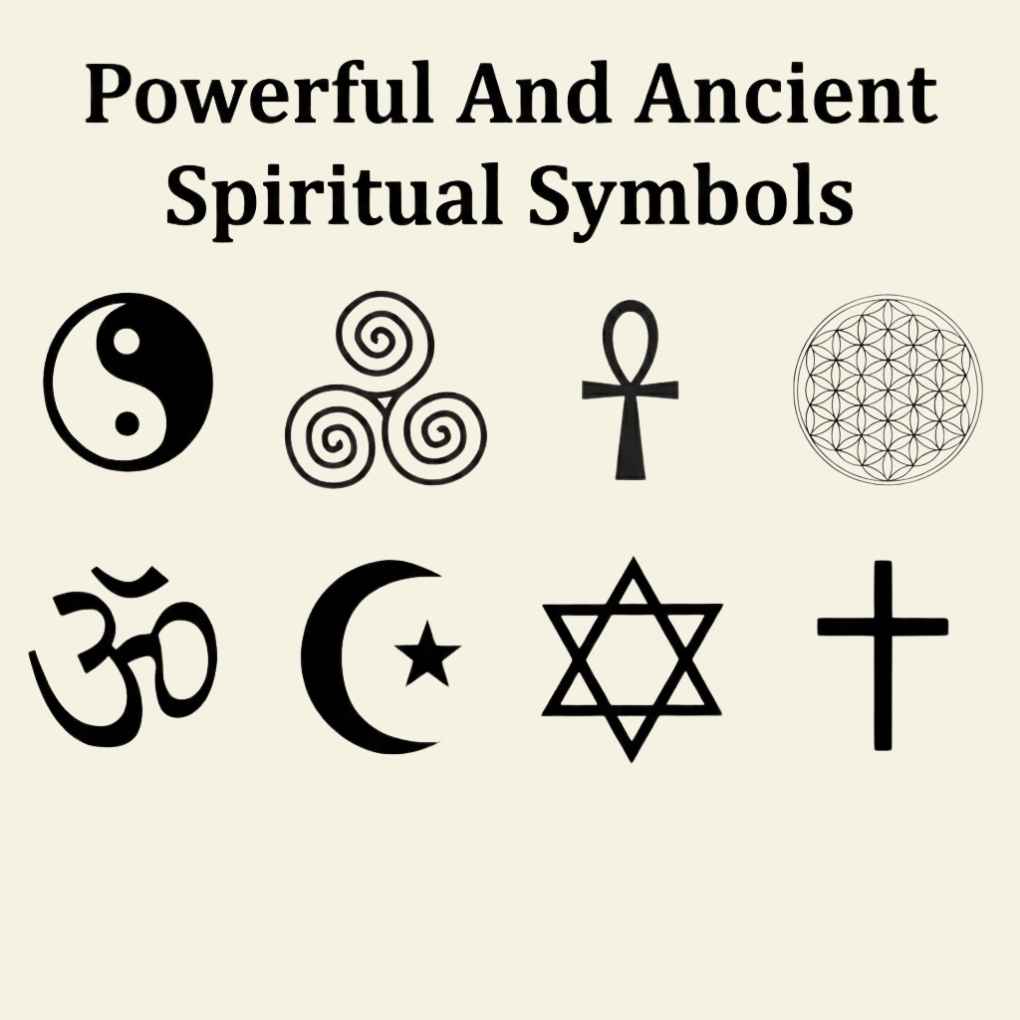
Powerful Spiritual Symbols And Meanings
The most enduring spiritual symbols share one quality: they resonate across cultures and centuries without losing their power. The cross appears in Christianity, but cross-like symbols existed in ancient Mesopotamia thousands of years earlier. The spiral shows up in Irish megalithic art, Native American pottery, and Hindu cosmology simultaneously.
That cross-cultural repetition isn’t coincidence. Psychologist Carl Jung argued that certain symbols emerge from what he called the collective unconscious, a shared psychological layer beneath individual experience where archetypal images live. These images surface in dreams, myths, and art because they reflect universal human experiences like birth, death, love, and transformation.
7 Spiritual Symbols Every Seeker Should Know
| Symbol | Origin | Core Meaning |
| Lotus Flower | India, Egypt | Purity, rebirth, enlightenment |
| Om (Aum) | Hinduism | Universal sound, divine creation |
| Yin Yang | Taoism, China | Balance, duality, harmony |
| Hamsa Hand | Middle East | Protection, positive energy |
| Tree of Life | Multiple cultures | Unity, growth, connection |
| Infinity Symbol | Mathematics, spirituality | Eternity, endless possibility |
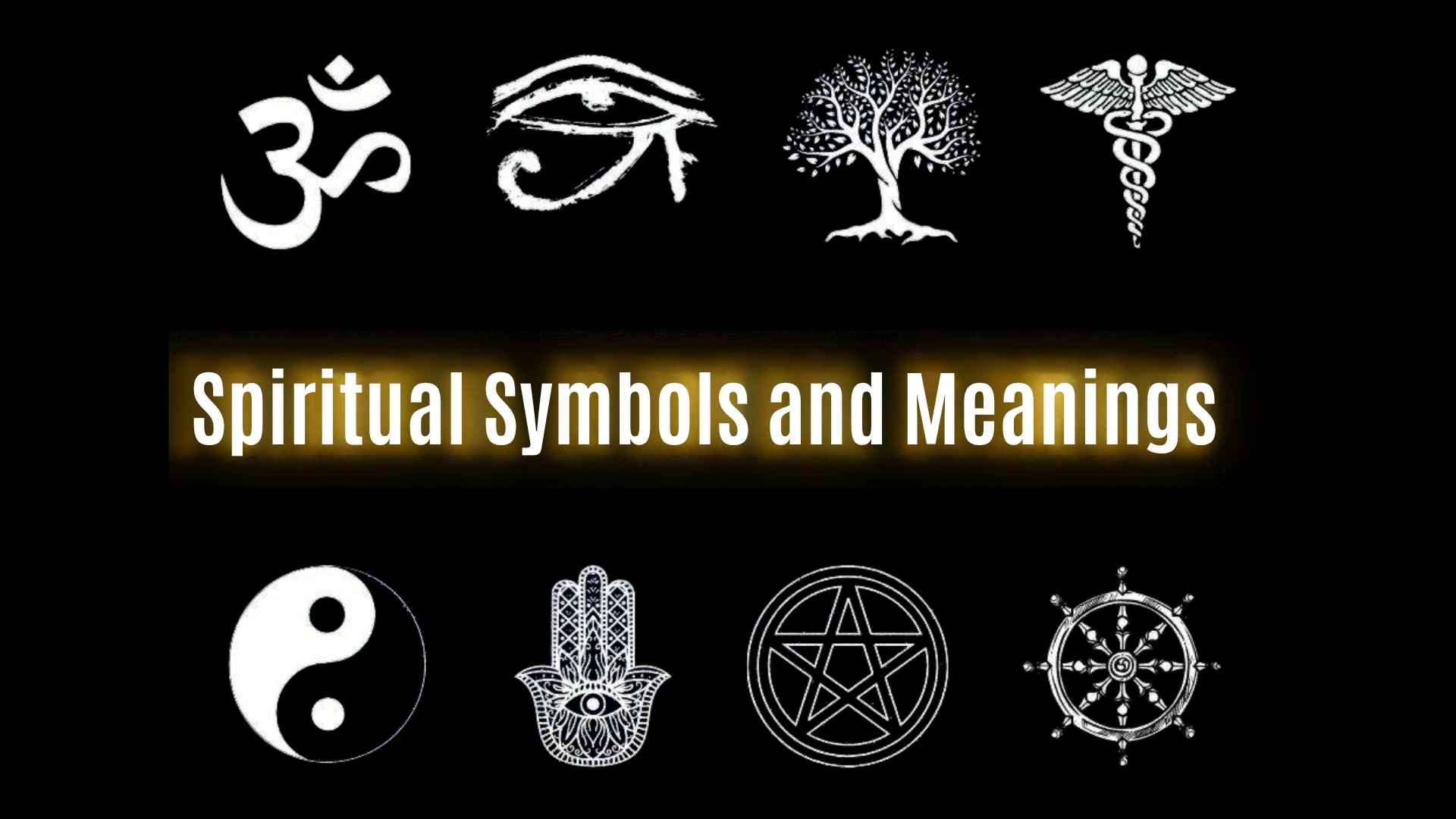
| Eye of Horus | Ancient Egypt | Protection, royal power, healing |
10 Spiritual Symbols And Their Meaning at a Glance
Beyond the seven above, these ten carry equally significant weight across traditions:
- Ankh: Eternal life (Ancient Egypt)
- Mandala: Cosmic harmony and wholeness
- Spiral: The soul’s journey and evolution
- Feather: Freedom, spiritual messages, and divine communication
- Phoenix: Rebirth after total destruction
- Dreamcatcher: Filtering negative energy (Native American)
- Triquetra: The triple nature of existence (Celtic)
- Sri Yantra: Manifestation and divine feminine energy (Hindu)
- Dharma Wheel: The path to enlightenment (Buddhism)
- Ouroboros: The eternal cycle of life, death, and renewal
Ancient Spiritual Symbols And Meanings From Lost Civilizations
Some of the oldest known spiritual symbols date back over 40,000 years. The red ochre spirals found in South African caves and the Venus figurines of ancient Europe suggest that symbolic thinking is as old as human consciousness itself.
Ancient Egypt produced one of history’s richest symbolic traditions. Hieroglyphs weren’t just writing. Each character carried spiritual weight. The scarab beetle represented transformation and the rising sun. The Was Scepter symbolized power and dominion. The Djed Pillar represented stability and the backbone of the god Osiris.
In the Indus Valley civilization, seals depicting animals and geometric forms suggest a rich symbolic vocabulary that archaeologists are still decoding today.
Powerful Symbols With Deep Meanings
The Vesica Piscis is one of the most overlooked sacred geometry symbols. Formed by two overlapping circles of equal size, it represents the intersection of the physical and spiritual worlds. You’ll find it embedded in cathedral windows across medieval Europe and in the geometry of ancient temples.
The Caduceus, two snakes winding around a staff with wings, is often mistaken for a pure medical symbol. Its deeper roots lie in Hermes, the Greek messenger god, representing the balance of opposing forces and the journey between worlds.
Spiritual Symbols For Life, Healing And Success
Spiritual Symbols For Success
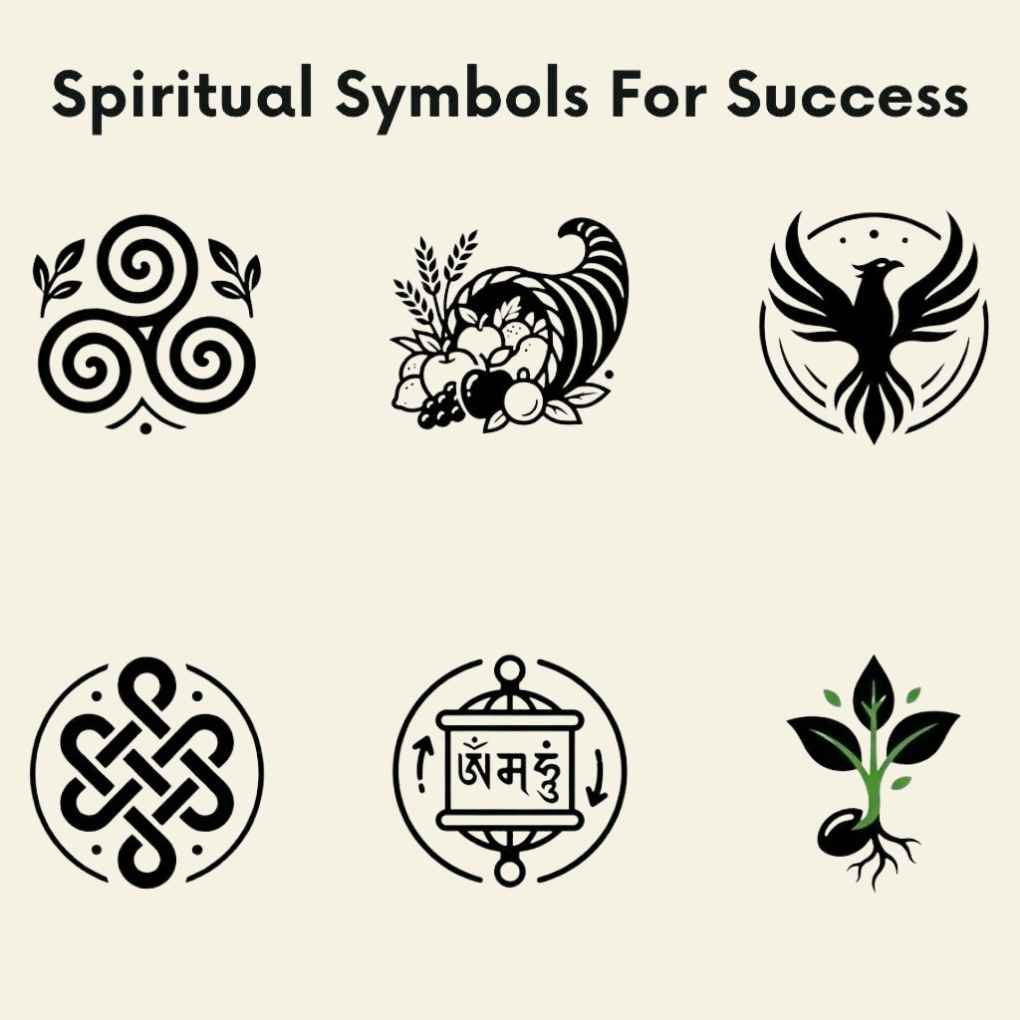
Cultures worldwide developed symbols specifically intended to attract prosperity, strength, and positive outcomes. In Chinese tradition, the dragon represents imperial power and good fortune rather than the destructive beast common in Western mythology. The laughing Buddha figure symbolizes contentment and abundance.
The elephant in Hindu and Buddhist traditions, particularly Ganesha, represents the removal of obstacles. Many people place Ganesha symbols at entrances to homes and businesses as an invitation for success to enter freely.
You May Also Like: 40+ Stunning Fall Symbols | The Hidden Meanings of Autumn That Speak to the Human Soul
Healing Spiritual Symbols And Meanings
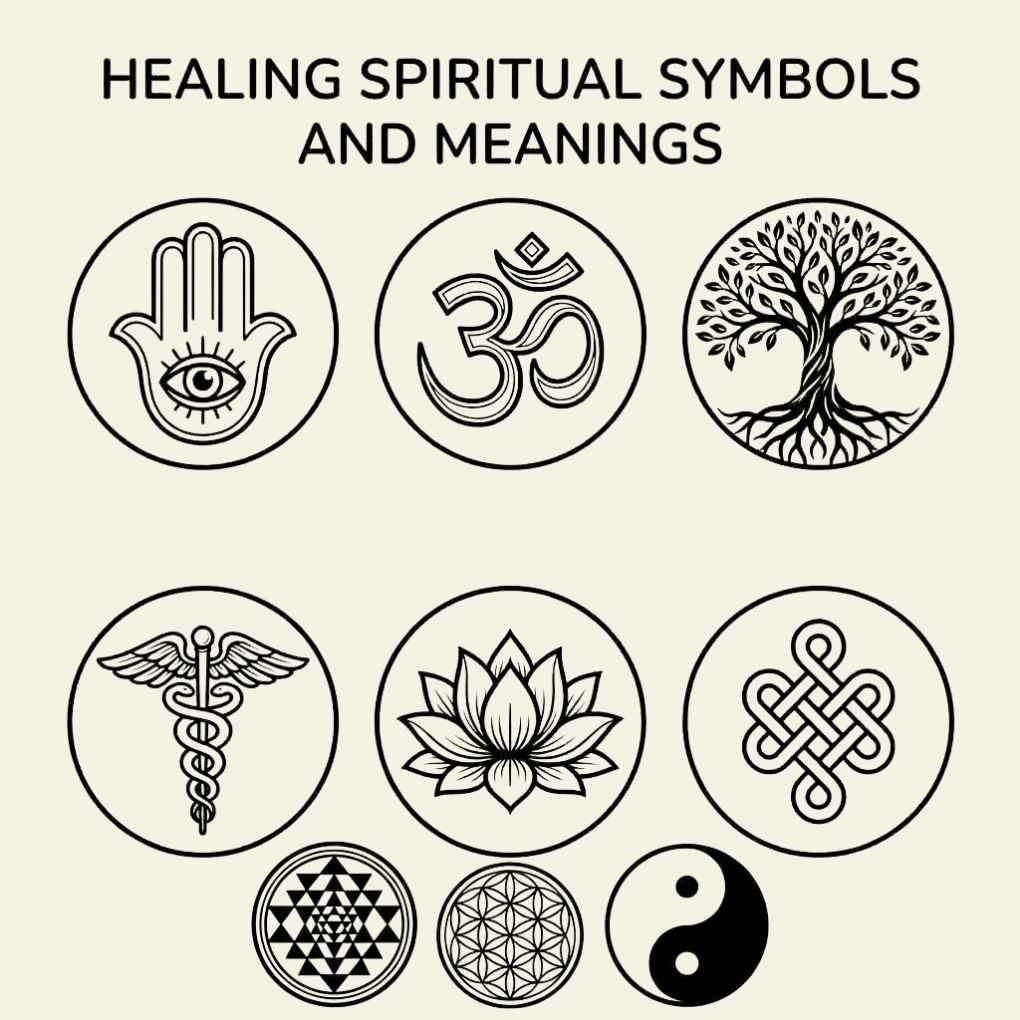
Healing symbols work on both psychological and energetic levels. The Cho Ku Rei, one of the primary Reiki symbols, is used by practitioners to concentrate healing energy toward a specific area. The Sei He Ki addresses emotional and mental healing. The Hon Sha Ze Sho Nen is used for distance healing across time and space.
The lotus remains one of the most universally recognized healing symbols because its life story mirrors emotional recovery. It roots in mud, grows through murky water, and blooms in sunlight. That’s not just poetic. It’s an accurate map of how healing actually works.
Spiritual Symbols And Meanings List
Here’s a broader reference of symbols worth exploring:
- Crescent Moon: Intuition, feminine energy, cycles
- Sun Cross: Solar power, the four directions
- Pentagram: The five elements in balance
- Fleur-de-lis: Purity, light, and spiritual perfection
- Bindrune: Combined Norse runes for specific intentions
- Faravahar: Divine grace and the soul’s purpose (Zoroastrian)
Understanding Different Spiritual Symbols And Their Meanings
Hindu Spiritual Symbols And Meanings
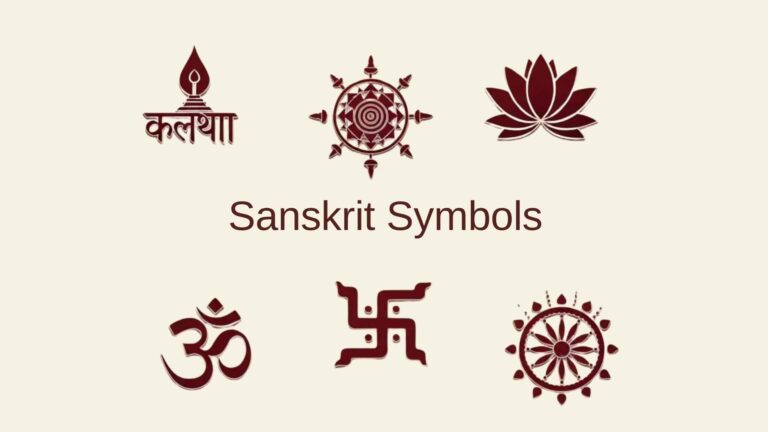
Hinduism is home to one of the world’s most expansive symbolic traditions. The Om symbol alone contains an entire cosmology. Its three curves represent the waking, dreaming, and deep sleep states. The semicircle represents illusion, and the dot above represents transcendence.
The Swastika in its original Hindu context is a symbol of auspiciousness and divine protection, used for thousands of years before its meaning was violently distorted in 20th-century Europe. Reclaiming its original meaning requires historical honesty and cultural sensitivity.
Chakra symbols are another pillar of Hindu spirituality. Each of the seven chakras has its own geometric form, color, and Sanskrit syllable. The root chakra grounds you. The crown chakra connects you to universal consciousness.
Native American Spiritual Symbols And Meanings
Native American symbolic traditions are extraordinarily diverse across hundreds of distinct nations. It’s important not to flatten them into one category. That said, some widely recognized symbols include:
- The Medicine Wheel: Representing the four directions, four seasons, and stages of life
- The Thunderbird: A powerful protector and messenger between humans and the spirit world
- The Bear Paw: Strength, courage, and a connection to the healing power of the earth
- The Kokopelli: Fertility, joy, and the spirit of music
Spiritual Awakening Symbols And Meanings for Transformation
Spiritual awakening is often represented visually by symbols that suggest emergence, ascent, or sudden illumination. The Third Eye symbol, represented by a single eye at the center of the forehead, points to the activation of inner vision and heightened awareness beyond ordinary perception.
The Phoenix rising from ashes is perhaps the most vivid awakening symbol. It doesn’t just survive destruction. It requires it. Many people who’ve passed through major life upheaval recognize something true in this image.
Deep Insights Into Spiritual Signs And Symbolism
Spiritual signs and symbolism form a silent language that connects your everyday life to something much deeper. Once you understand this language, you start noticing it everywhere around you.
Spiritual Signs And Meanings
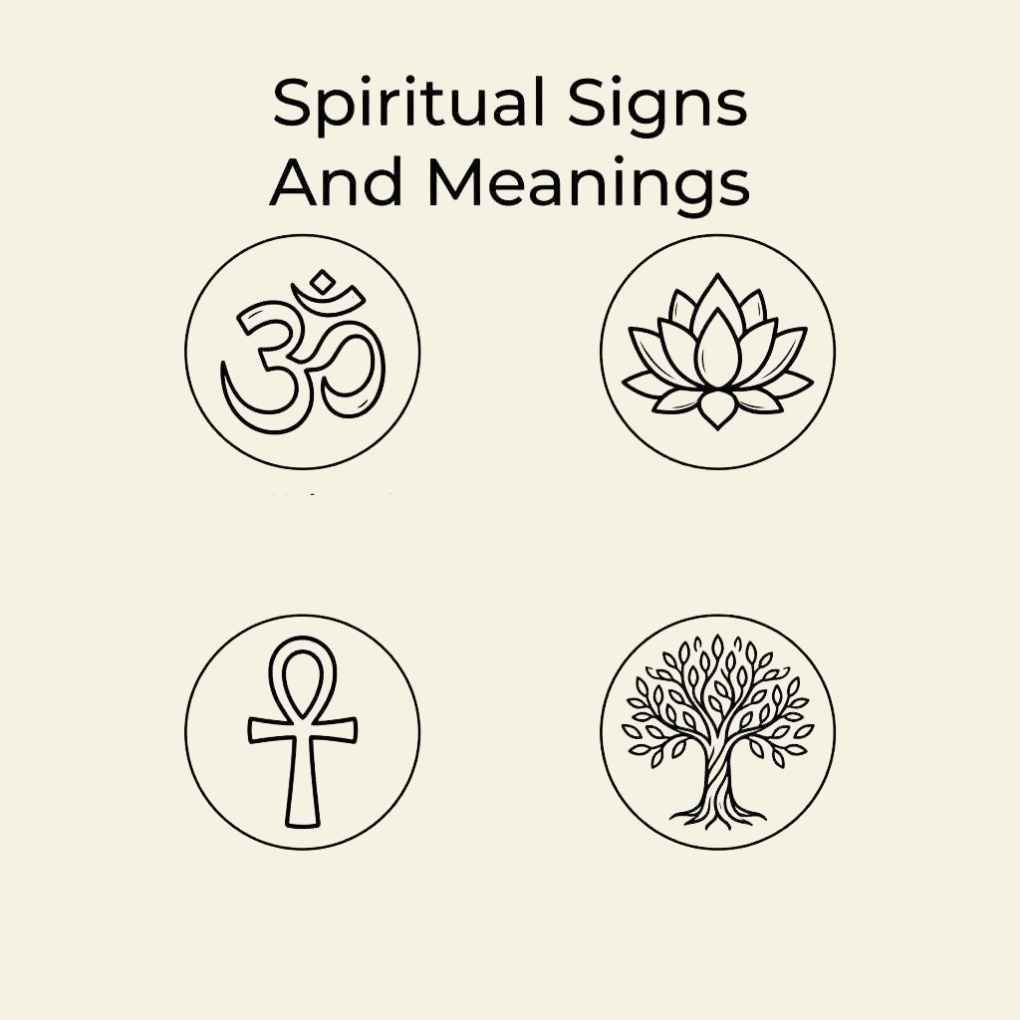
Spiritual signs are experiences that feel more meaningful than ordinary coincidence. Repeating numbers, unexpected animal encounters, or a song playing at exactly the right moment are common examples. Most spiritual traditions teach that these moments carry genuine guidance if you’re paying attention.
Spiritual Symbol Meanings
Every spiritual symbol carries two layers of meaning: its traditional cultural meaning and your personal connection to it. The moon traditionally represents intuition and cycles, but your personal history shapes how that symbol lands for you. This is why the same symbol affects different people in different ways.
Symbols Meaning Truth
Many cultures created symbols specifically to represent truth and clarity. The sun is the most universal example since light has always represented what darkness conceals. The All-Seeing Eye in its original Egyptian form represented divine awareness and the idea that truth cannot stay hidden forever.
Spiritual Symbols
Spiritual symbols are focusing tools for attention and intention. What separates a spiritual symbol from simple decoration is the awareness you bring to it. The same lotus image on a coffee mug and carved into a meditation space looks identical, but conscious engagement transforms it into something genuinely meaningful.
Spiritual Meanings
Spiritual meanings point beyond physical reality toward questions of purpose and connection. A feather found on your path has a simple physical explanation, but many traditions see it as a message from spirit or an ancestor. Spiritual meanings are typically felt before they’re understood intellectually.
Spirit Signs And Meanings
Spirit signs are associated with communication from beyond ordinary physical experience, whether from ancestors, guides, or a deeper intelligence. Common examples people report include unexpected animal appearances, finding coins or feathers in unusual places, and vivid dreams featuring deceased loved ones who feel genuinely present rather than symbolic.
Spiritual Symbol
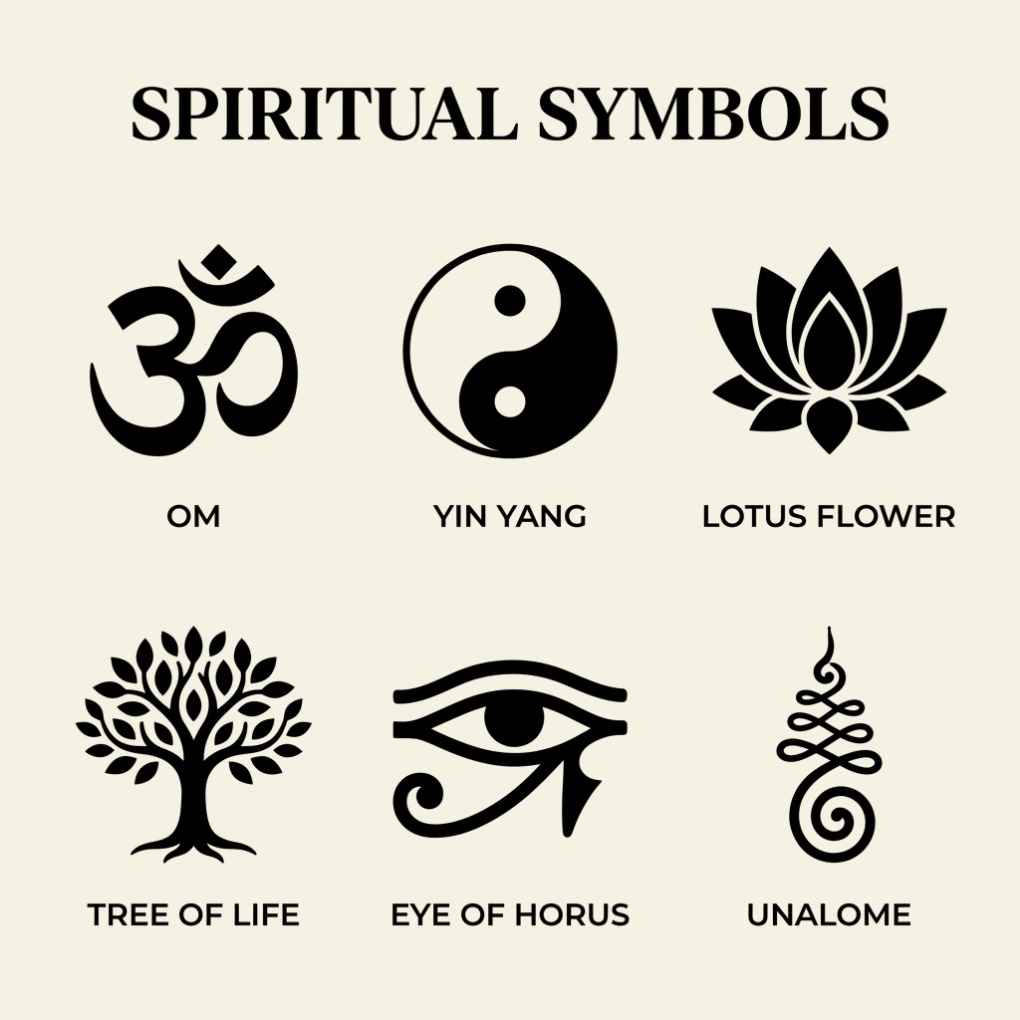
A single spiritual symbol can compress an entire worldview into one image. The Yin Yang holds all of Taoist philosophy inside one circle. The most powerful symbols for personal use are ones you feel genuinely connected to, not just ones that look appealing. Learning a symbol’s history and cultural roots transforms it from decoration into a real tool for inner life.
Deep Symbolic Meaning
Spiritual Level
On a spiritual level, symbols function as portals. When a practitioner meditates on a Sri Yantra or walks the pattern of a labyrinth, the symbol becomes more than an image. It becomes an experience. The geometry guides attention inward in ways that pure verbal instruction cannot.
Sacred architecture relies entirely on this principle. The Gothic cathedral’s pointed arches direct the eye and spirit upward. The circular floor plan of a Tibetan stupa maps the spiritual universe in physical space. You’re literally walking through a symbol.
Psychological Level
Jung’s work remains the most rigorous Western framework for understanding why symbols affect us so deeply. He identified recurring images across mythology, religion, and dreams that he called archetypes. The Great Mother, the Shadow, the Trickster, the Hero. These figures appear because they reflect genuine psychological structures.
When you dream of a snake, you’re not randomly generating imagery. You’re touching an archetype with thousands of years of symbolic weight. In some traditions, the snake represents healing. In others, temptation. The interpretation depends on your personal relationship with the symbol and the cultural lens you carry.
Cultural Level
A symbol stitched into a grandmother’s quilt carries a different emotional weight than the same symbol in a museum display case. Cultural transmission gives symbols their living meaning. The Celtic Knot isn’t just beautiful interlacing. It carries the memory of a people, their values about eternity and interconnectedness, passed through generations.
Types and Variations of Spiritual Symbols and Meanings
1. The Ankh: Ancient Egypt’s Key to Eternal Life
The Ankh is a cross with a loop at the top, and it’s one of the most recognizable symbols from Ancient Egypt. Pharaohs were depicted holding it because it represented their connection to immortality and divine power. Gods were shown touching humans with the Ankh to grant them the breath of life.
2. The Lotus Flower: Rising Above Darkness Into Pure Light
In both Hindu and Buddhist traditions, the lotus represents the soul’s capacity to rise from suffering into enlightenment. The fact that it blooms from mud isn’t incidental. That contrast is the entire point.
3. The Yin and Yang: The Sacred Dance of Opposites
Rooted in Taoist philosophy from ancient China, the Yin Yang teaches that opposing forces aren’t enemies. They’re partners. The small dot of white within the black and the black within the white is the key detail. Nothing is purely one thing.
4. The Cross: Faith, Sacrifice, and Redemption
Central to Christianity, the cross represents the sacrifice of Jesus and the promise of resurrection. But cross-shaped symbols predate Christianity in many cultures, representing the four directions, the meeting of earth and sky, and the intersection of the human and divine.
5. The Om Symbol: The Sound That Started Everything
Chanting Om during meditation isn’t simply tradition. Research from the National Brain Research Centre in India has shown that chanting Om produces brain wave patterns consistent with deep relaxation and heightened awareness.
6. The Hamsa Hand: Protection Across Religious Lines
The Hamsa appears in both Islamic and Jewish traditions. In Islam it’s called the Hand of Fatima. In Judaism it’s the Hand of Miriam. The open palm with the eye in the center deflects negative energy and invites blessings. It’s a rare symbol that crosses religious boundaries with equal reverence.
Spiritual Symbols and Meanings Across Cultures
Ancient Egypt
Beyond the Ankh and Eye of Horus, Egyptian symbolism included the Scarab (transformation), the Djed Pillar (stability), and the Was Scepter (divine authority). Temples were designed as symbolic maps of the cosmos.
India
Indian spiritual art uses mandalas as cosmic diagrams for meditation. The Rangoli patterns drawn at doorways are protective and welcoming symbols. Every gesture in classical Indian dance, called a mudra, carries spiritual meaning.
China
Chinese symbolic tradition blends Taoism, Buddhism, and Confucianism. The Bagua (eight trigrams) maps reality into eight fundamental forces. The Ruyi scepter symbolizes good fortune and fulfilled wishes.
Ancient Greece
Greeks embedded spiritual meaning in everyday life. The laurel wreath crowned victors but also honored Apollo, god of light and truth. The caduceus of Hermes became a symbol of commerce, communication, and safe passage.
Native American Traditions
The Medicine Wheel organizes life into sacred cycles. The four directions carry specific teachings about human development. East represents new beginnings. South represents growth. West represents reflection. North represents wisdom.
Spiritual Symbols and Meanings in Art, Movies and Pop Culture
Spiritual symbolism isn’t locked in temples and ancient texts. It’s alive in culture right now. In The Matrix, Neo’s journey maps directly onto the classic hero’s awakening archetype described by Joseph Campbell. The red pill and blue pill represent choosing truth over comfortable illusion, a spiritual concept as old as Plato’s cave.
Paulo Coelho’s The Alchemist is built entirely around the idea that the universe speaks through signs and symbols. The novel’s central message, that the soul of the world communicates with those who pay attention, mirrors ancient shamanic and mystical traditions.
Tattoo culture has made spiritual symbols mainstream. Mandalas, lotus flowers, Om symbols, and geometric sacred forms appear on millions of people as permanent statements of personal belief and identity.
Spiritual and Dream Meaning of Spiritual Symbols and Meanings
When spiritual symbols appear in dreams, most psychological traditions treat them as messages from the subconscious. Jung called this process individuation, the soul working toward wholeness by surfacing unresolved material through imagery.
Dreaming of a labyrinth often signals feeling lost but also the presence of a path through the confusion. Dreaming of water typically connects to emotional processing. Dreaming of fire can represent purification, passion, or transformation depending on its feeling tone in the dream.
Positive vs Negative Meaning
Every symbol carries dual potential depending on context and culture. The serpent represents healing in the Greek medical tradition and wisdom in some Indigenous traditions, but temptation and deception in Abrahamic theology. The swastika is sacred in Hinduism and Buddhism but carries horror in Western historical memory.
This duality is actually the deepest truth these symbols teach: meaning isn’t fixed. It’s created through relationship, history, and intention.
Why Humans Are Attracted to Spiritual Symbols and Meanings
The human brain is a pattern-recognition machine. Before language, symbols were the primary technology for transmitting complex meaning. That wiring hasn’t disappeared. It’s still there, which is why a well-crafted symbol can bypass rational thought and hit you emotionally before you’ve processed it consciously.
Spiritually, symbols offer something that logical arguments can’t: a felt sense of connection to something larger. When you hold a mala bead, trace a mandala, or light a candle beneath a sacred image, you’re participating in a ritual that humans have used for millennia to touch the sacred.
Symbols remind us that we are not isolated individuals floating through a meaningless universe. We are participants in a vast, interconnected story that stretches back to the first humans who looked at the night sky and felt something beyond words.
FAQs About Spiritual Symbols and Meanings
What is the oldest known spiritual symbol?
The spiral is among the oldest, appearing in cave art dating back over 40,000 years across multiple continents.
What symbols are most commonly used in meditation?
Mandalas, the Om symbol, the Sri Yantra, and chakra symbols are widely used across meditation traditions.
Are spiritual symbols religious or can anyone use them?
Many symbols carry cultural and religious significance. Understanding their origin and using them respectfully is important, especially with symbols from living traditions.
What symbols represent transformation and new beginnings?
The phoenix, butterfly, spiral, lotus, and the Ouroboros all symbolize transformation, rebirth, and new cycles.
Can wearing a symbol from another culture be disrespectful?
Context matters greatly. Wearing a symbol decoratively without understanding its sacred meaning can be disrespectful. Research and genuine appreciation make a significant difference.
Why do spiritual symbols appear repeatedly in dreams?
According to Jungian psychology, recurring symbols in dreams indicate active psychological processes. They surface when the subconscious is working through significant themes related to growth or transformation.
Conclusion
Spiritual symbols aren’t relics of a superstitious past. They’re living tools that human beings across every culture have used to navigate existence, make meaning, and connect to something greater than themselves. Whether you’re drawn to the lotus for its beauty, the Om for its sound, or the Ankh for its mystery, each symbol is an invitation to go deeper.
The next time one catches your eye, don’t just scroll past it. Pause. Ask what it’s been carrying for thousands of years. You might find it’s been waiting for exactly this moment to speak to you.

Mubeen is a passionate writer at Auramegazine who explores symbolism, hidden meanings, and powerful signs behind everyday symbols. He enjoys creating simple, engaging content that helps readers understand deeper meanings and cultural connections.