72+ Unique Symbols To Represent Yourself And Express Your True Identity
Symbols to represent yourself are one of the most powerful ways humans have ever communicated identity, emotion, and belief without saying a single word. From the tattoo on your wrist to the jewelry around your neck, symbols carry stories that words often struggle to tell.
Whether you’re searching for a personal emblem, a meaningful tattoo, or simply trying to understand what certain symbols say about who you are, this guide covers everything you need to know.
What Are Symbols To Represent Yourself?
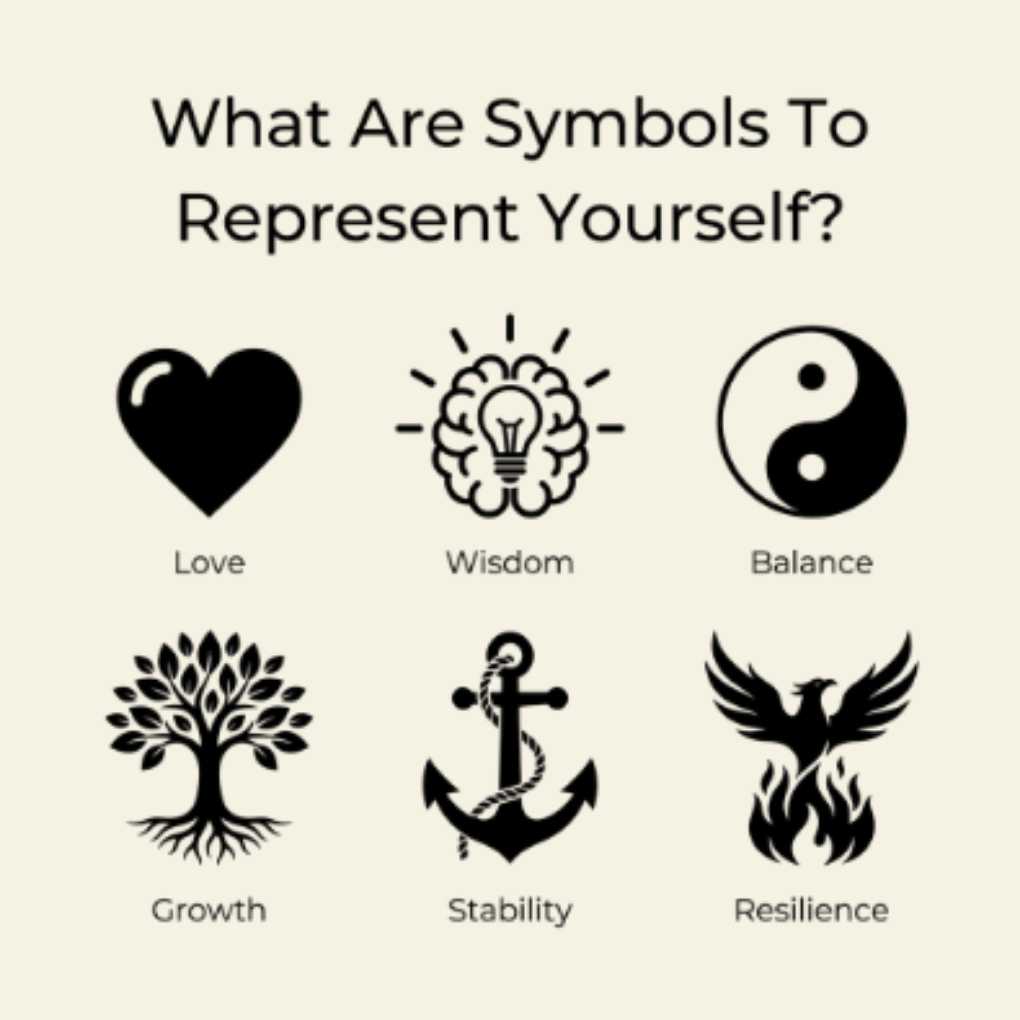
Symbols to represent yourself are visual signs, objects, or shapes that reflect your personality, values, spiritual beliefs, and life experiences. Think of them as a visual shorthand for your identity. Instead of explaining who you are in a long conversation, a single image can communicate your core truth instantly.
Humans have used personal symbols for thousands of years. Ancient Egyptian pharaohs wore the Ankh to symbolize divine life. Medieval knights carried family crests to show honor and lineage. Today, Americans use symbols in tattoos, jewelry, logos, social media bios, and fashion to express who they are to the world.
What makes a symbol powerful isn’t just its design. It’s the emotional meaning you attach to it. A compass means something completely different to a person who feels lost in life versus someone who loves adventure travel. That personal connection is what transforms a simple image into a deeply meaningful symbol.
Symbols To Represent Yourself And Identity Meanings
Spiritual Symbols To Represent Yourself
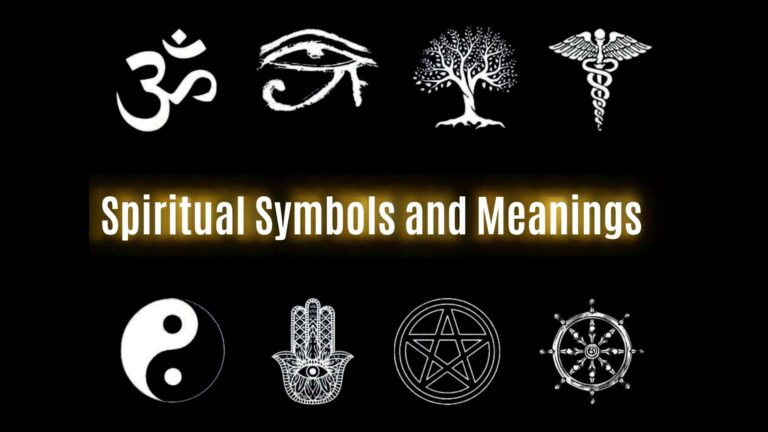
Spiritual symbols connect your outer identity to your inner world. The lotus flower is one of the most recognized spiritual identity symbols because it grows beautifully out of muddy water, representing purity through struggle. The hamsa hand is worn across cultures as a symbol of protection and positive energy. The yin yang reflects the balance between opposing forces inside every person.
Other popular spiritual symbols include the Om, representing universal consciousness, and the Tree of Life, which appears in dozens of spiritual traditions as a symbol of connection between the earthly and the divine. Many Americans who practice yoga, meditation, or mindfulness use these symbols as daily reminders of their inner values.
If you’re drawn to spiritual symbols, ask yourself what core belief you want to carry with you. The symbol you feel most emotionally connected to usually reveals something true about your inner identity.
Symbols To Represent Yourself Tattoos
Tattoos are one of the most personal forms of self-expression symbols in American culture. According to a 2023 Ipsos survey, roughly 32% of Americans have at least one tattoo, and most say their tattoos carry personal meaning. The most chosen symbolic tattoo ideas include arrows (forward movement), anchors (stability), and the semicolon, which has become a widely recognized symbol of mental health awareness and the choice to continue one’s story.
The unalome is another popular tattoo symbol representing the winding path toward spiritual enlightenment. The compass rose appeals to people navigating major life transitions. What makes tattoo symbols powerful is their permanence. They’re a daily commitment to the value or experience they represent.
Choose a tattoo symbol that reflects your journey, not just something that looks good. The most meaningful tattoo symbols are those tied to real experiences, challenges overcome, or values you genuinely live by.
Ancient Symbols To Represent Yourself
Ancient symbols carry centuries of accumulated meaning, which is exactly why people still feel drawn to them. The Ankh from Ancient Egypt represents eternal life. The Ouroboros, a snake eating its own tail, symbolizes the endless cycle of life, death, and rebirth. The Valknut from Norse mythology represents the connection between life, death, and the afterlife.
Celtic symbols like the Triquetra represent the interconnection of mind, body, and spirit. These ancient spiritual signs feel timeless because they touch on universal human experiences that haven’t changed across thousands of years.
If you feel connected to history, ancestry, or mythology, ancient symbols offer a rich library of symbols of strength and courage that carry genuine depth.
Symbols That Represent Personality
Different symbols naturally align with different personality traits. An eagle suits someone who values vision, independence, and rising above obstacles. A fox represents cleverness and adaptability. A mountain resonates with steady, reliable personalities who value endurance over speed.
Think about the qualities you’re most proud of. If you lead naturally, a lion symbol might resonate. If you’re deeply intuitive and value emotional intelligence, the moon or wolf might feel more authentic. Matching your personality to a symbol is a surprisingly effective form of self-discovery.
Life Symbols And Meanings
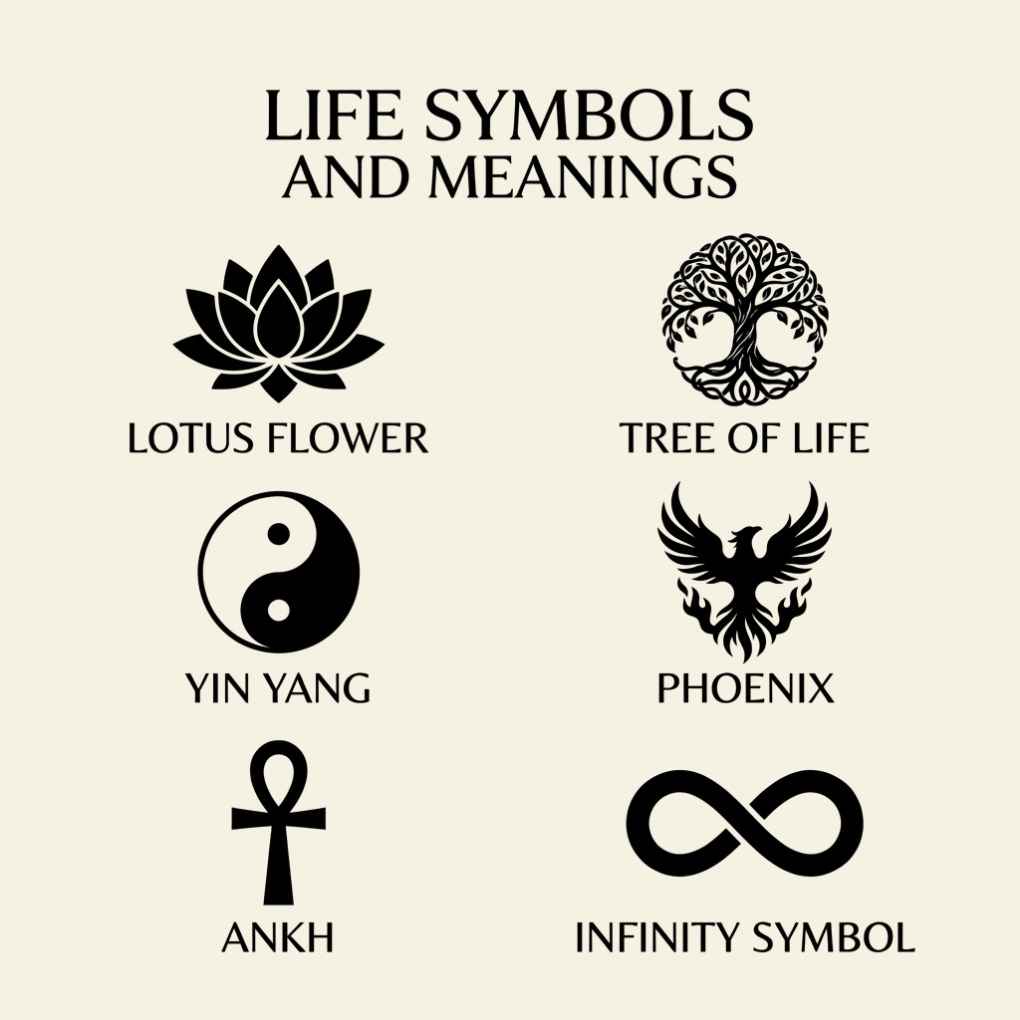
Life symbols represent the big themes every human experiences. The infinity sign speaks to continuity and enduring love or purpose. The sunrise represents new beginnings and hope after difficult periods. A seedling symbolizes growth from small, humble starts.
The hourglass is a powerful life symbol reminding people that time is finite and worth spending intentionally. These symbols of personal growth resonate especially well during life transitions like graduation, recovery, marriage, or starting over after loss.
10 Things That Symbolize Yourself
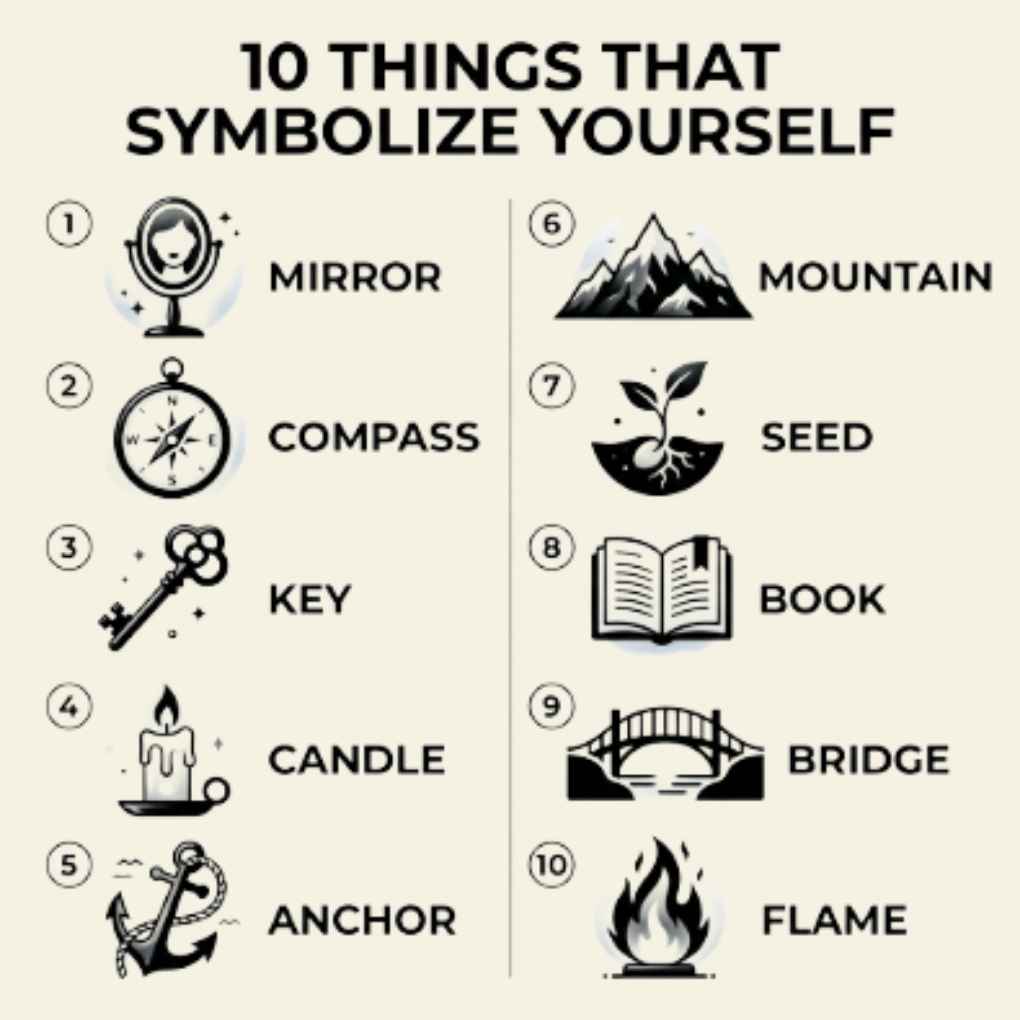
Sometimes the most personal symbols aren’t traditional at all. Here are ten meaningful objects that can represent different aspects of identity:
- Mirror – self-awareness and honest reflection
- Compass – purpose and direction in life
- Key – access to hidden potential or new opportunities
- Candle – being a source of light and warmth for others
- Anchor – emotional stability and groundedness
- Mountain – perseverance and long-term strength
- Seed – potential, patience, and quiet growth
- Book – curiosity, knowledge, and lifelong learning
- Bridge – being a connector between people or ideas
- Flame – passion, creativity, and inner drive
Common Symbols In Everyday Life
You already interact with symbols used in everyday life constantly. The heart communicates love universally. A star signals achievement or aspiration. The peace sign, born from 1960s activism, still represents a desire for harmony. Even emojis function as modern personal symbols, with people choosing specific ones to reflect their personality online.
These everyday symbols shape identity quietly. The ones you’re most naturally drawn to, in your texts, your jewelry, or your doodles, often reflect values you hold without even realizing it.
Symbols For Personality
A crown naturally represents confidence and self-worth. A spiral resonates with creative thinkers who see life as an evolving process. A shield suits protective personalities, people who defend what they love. A feather attracts free spirits who value lightness, freedom, and emotional sensitivity.
Symbols To Describe Yourself
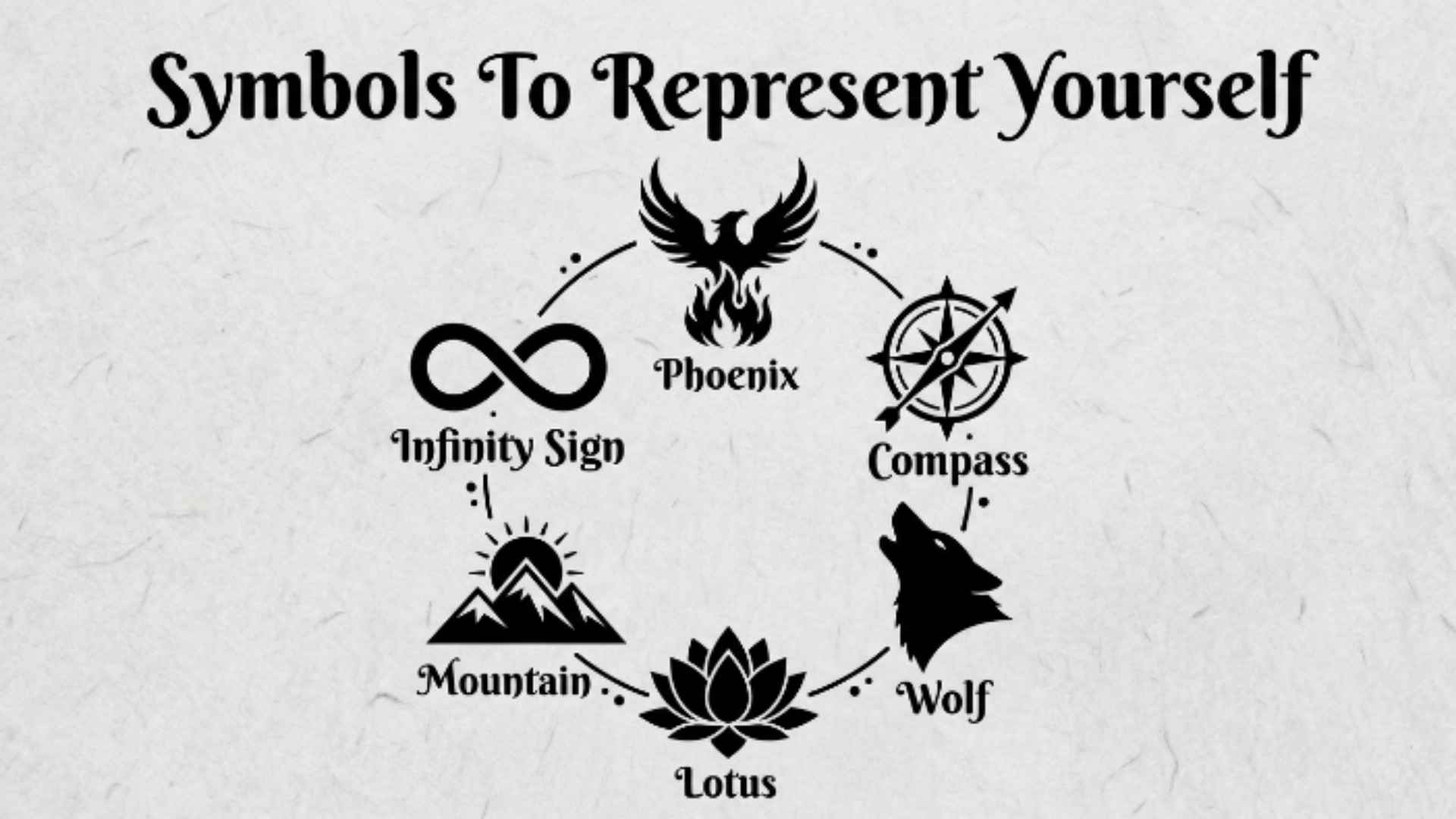
A phoenix describes someone who has rebuilt themselves after significant loss or trauma. A lighthouse suits people who guide others through difficult times. An anchor describes someone emotionally grounded. A wolf fits independent thinkers who trust their instincts over social pressure.
Symbols That Represent Me
The best way to find symbols that genuinely represent you is through reflection rather than aesthetic preference. Try journaling about your three core values. Then search for symbols historically associated with those values. You might be surprised how quickly one image feels immediately right.
Personality Symbols To Represent Yourself
Animal archetypes are especially useful here. The lion suits natural leaders. The owl represents wisdom and quiet intelligence. The dolphin resonates with joyful, social personalities. The bear fits protective, nurturing types who prioritize family and loyalty.
Personal Symbolism
Personal symbolism is distinct from cultural symbolism because it draws from your own experiences. A lighthouse might culturally represent guidance, but to someone who grew up near the ocean and associates it with safety and home, it carries a deeply private emotional meaning. That personal layer is what makes a symbol truly yours.
You May Also Like: 120+ Spiritual Symbols and Meanings Explained | Discover the Powerful Truth Behind Ancient Signs
Identity Symbols And Meanings
What Is A Symbol Of Identity?
A symbol of identity is any image, object, or sign that visually communicates who you are, what you believe, or where you come from. National flags, family crests, religious symbols, and personal logos all function as identity symbols. They allow people to claim membership, values, and personality without lengthy explanation.
Symbols Of Identity
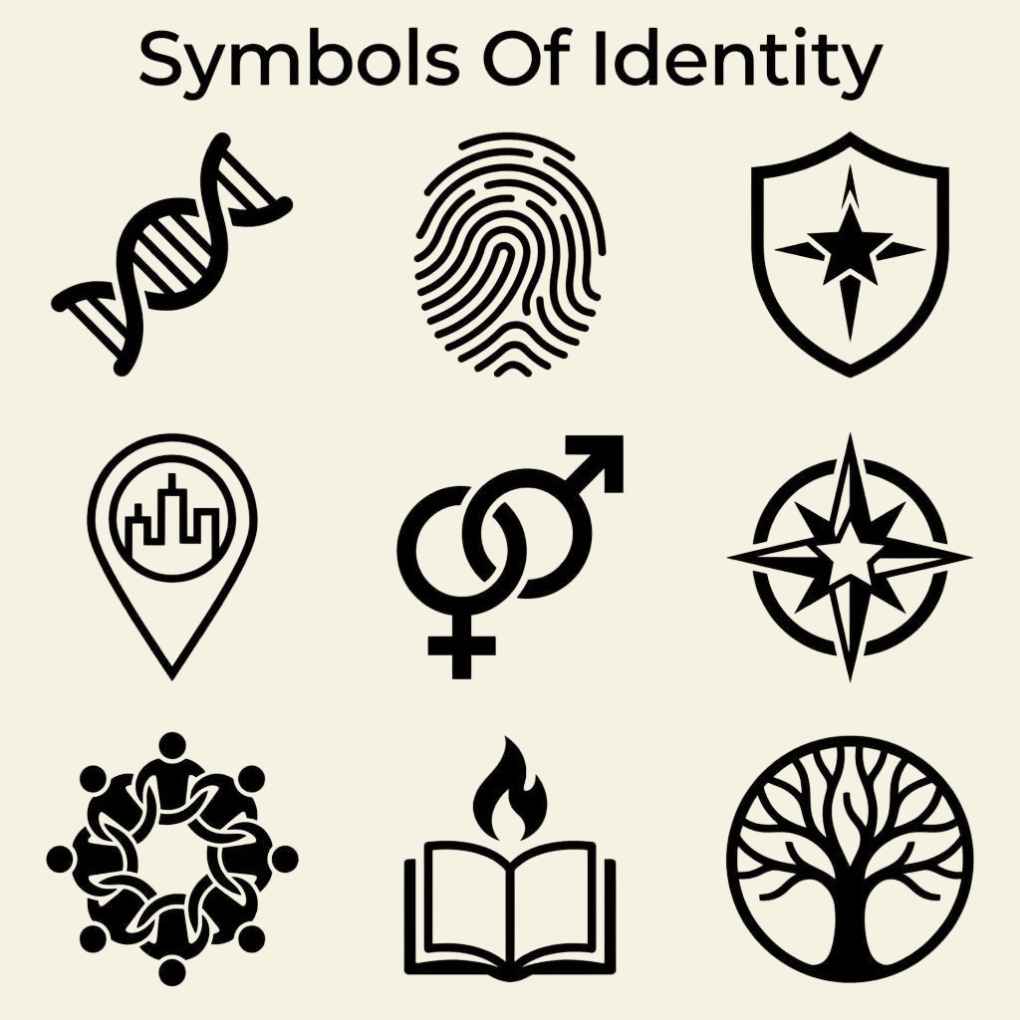
The most widely recognized symbols of identity include the fingerprint (absolute uniqueness), the phoenix (resilient identity rebuilt through hardship), and the infinity sign (continuous personal evolution). Each of these reflects a different dimension of how people understand themselves.
Examples Of Things That Represent A Person’s Identity
Beyond traditional symbols, many everyday things represent personal identity: clothing styles, tattoos, hairstyles, jewelry choices, and even the accessories someone carries. According to Pew Research, the majority of tattooed Americans describe their tattoos as personally meaningful, not merely decorative. Identity expression is everywhere once you start looking.
Identity Symbols
There’s an important difference between cultural identity symbols and personal identity symbols. A Celtic knot might mean Irish heritage to one person and eternal friendship to another. The meaning you assign matters as much as the traditional meaning attached to the symbol.
Symbols For Identity
Many people today use symbols intentionally for personal branding, especially freelancers, artists, and entrepreneurs. A personal logo or emblem communicates professionalism and personality simultaneously. Sigils, which are customized personal symbols created from initials or meaningful shapes, are also growing in popularity for this reason.
Things That Represent People
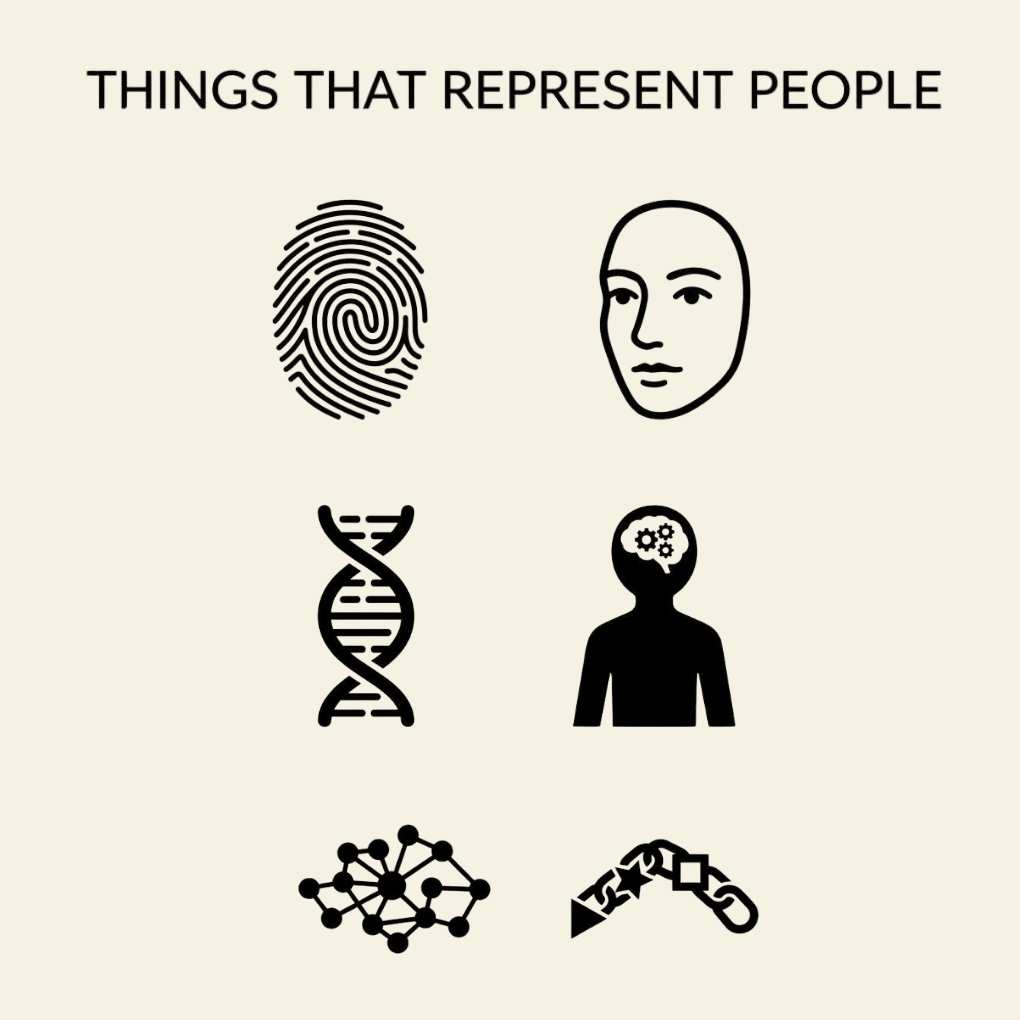
Objects often represent people more accurately than abstract symbols. A guitar instantly communicates a musician’s identity. A paintbrush signals creativity. A pen represents a writer’s inner world. These object-based symbols are especially relatable because they’re grounded in real daily life.
Symbols That Represent A Person
The same symbol can represent completely different personality dimensions depending on the person. A lion means raw courage to one person but stubbornness or aggression to another. That complexity is part of what makes symbolic representation of personality so rich and deeply personal.
What Symbol Represents Me?
Ask yourself three questions before choosing a personal symbol:
- What core value do you live by every day?
- What challenge have you survived or overcome?
- What quality do the people closest to you consistently notice in you?
The answers to these questions will point you toward a symbol that’s genuinely meaningful rather than just visually appealing.
Deep Symbolic Meaning
Spiritual Meaning
On a spiritual level, symbols function as bridges between the visible and invisible world. Many spiritual traditions believe symbols carry actual energy, not just metaphorical meaning. The lotus teaches that enlightenment is possible even in the hardest conditions. The cross, Star of David, and crescent moon all serve as spiritual anchors, giving believers a visual reminder of their faith during difficult moments.
Spiritual symbols become especially important during grief, recovery, and major life transitions. They provide comfort in a form that words can’t always offer.
Psychological Meaning
Swiss psychologist Carl Jung argued that symbols emerge from the collective unconscious, a shared psychological layer beneath individual experience. Jung identified universal archetypes, recurring symbolic figures like the hero, the shadow, and the wise elder, that appear across cultures independently because they reflect deep human psychology.
This explains why certain symbols feel instantly familiar even when you encounter them for the first time. A broken chain feels like freedom without needing explanation. A dark forest feels like uncertainty. Your attraction to specific symbols often reveals subconscious emotional needs or values you haven’t fully articulated yet.
Cultural Meaning
The same symbol carries opposite meanings across cultures. Dragons represent wisdom, prosperity, and protection in Chinese culture but danger and destruction in many European traditions. The owl symbolizes wisdom in Western cultures but death in some Native American traditions.
This is why cultural context matters when choosing a personal symbol. Understanding where a symbol comes from helps you use it respectfully and ensures the meaning you intend is the meaning others receive.
Types And Variations Of Symbols To Represent Yourself
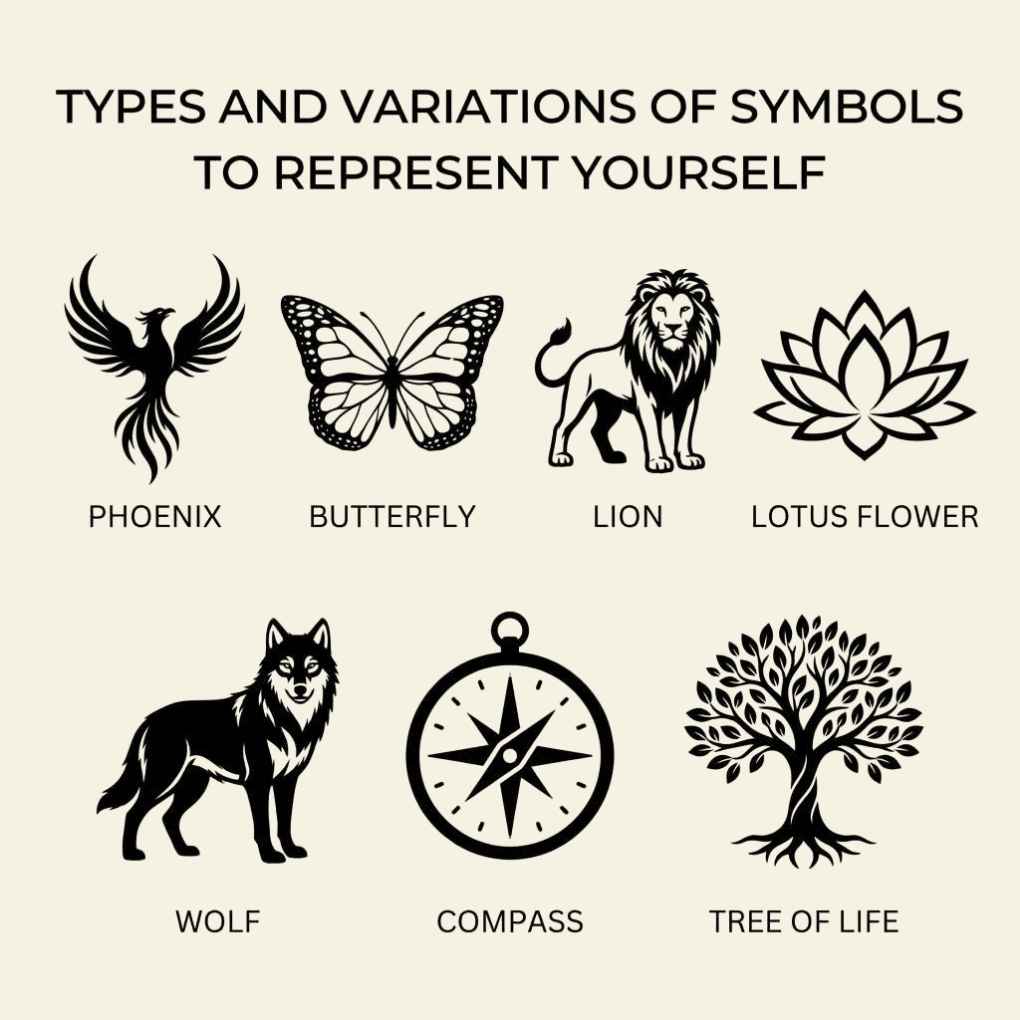
Phoenix
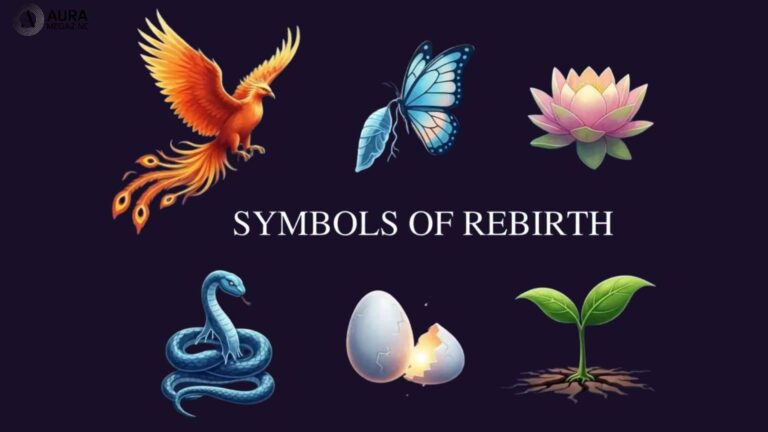
The phoenix is a mythical firebird that burns completely and rises reborn from its own ashes. Originating in Greek and Egyptian mythology, it has become one of the most universal symbols of rebirth and resilience. People who have survived addiction, loss, illness, or major failure often feel a deep connection to this symbol because it validates their experience of being destroyed and rebuilt stronger.
Butterfly
Butterfly symbolism centers on transformation, growth, and freedom. The butterfly’s life cycle, from caterpillar to cocoon to winged creature, mirrors the human experience of painful change leading to beautiful results. It’s one of the most popular tattoo symbols precisely because so many people identify with the transformation process.
Lion
The lion symbol meaning is rooted in courage, authority, and natural leadership. It appears in royal emblems, sports team logos, and personal crests across cultures because it communicates strength that doesn’t need to be proven. People drawn to the lion often value confidence, protection of family, and the ability to lead calmly under pressure.
Lotus Flower
Lotus flower symbolism is central to both Buddhism and Hinduism, where it represents spiritual awakening and the purity of the soul rising above worldly difficulties. In modern American wellness culture, the lotus appears frequently in yoga studios, meditation spaces, and mindfulness branding because it communicates the same message: beauty is possible even in difficult conditions.
Wolf
The wolf spiritual meaning combines loyalty, sharp instinct, and fierce independence. Wolves live in packs but maintain strong individual identities within those communities. This duality makes wolf symbolism especially resonant for people who value deep personal relationships while strongly guarding their independence and inner life.
Compass
The compass symbol meaning is about direction, purpose, and navigating uncertainty with confidence. It’s become especially popular among people going through career changes, relocations, or major life decisions. A compass doesn’t tell you where to go; it helps you find your own direction. That’s exactly the message many people want to carry with them.
Tree Of Life
The tree of life meaning appears independently across Celtic, Norse, Egyptian, and Native American traditions, which says something powerful about its universal resonance. Its roots represent heritage and foundation. Its branches represent growth and possibility. The full image represents the connection between past, present, and future within a single identity.
Symbols To Represent Yourself Across Cultures
Ancient Egypt
Ancient Egyptians used symbols as living tools, not just decoration. The Ankh symbol meaning represents eternal life and was worn by both royalty and commoners as a protective identity marker. The scarab symbolism connected personal identity to rebirth and protection from harm. These symbols appeared on jewelry, temple walls, and burial artifacts because Egyptians believed symbols carried genuine spiritual power.
Chinese Culture
In Chinese culture, the dragon symbolism represents imperial power, good fortune, and protection rather than the destructive force it represents in Western mythology. The yin yang meaning goes beyond balance to describe how opposite forces are actually interdependent. These cultural symbols emphasize harmony as a core identity value, which contrasts interestingly with Western symbols that often emphasize individual strength.
Native American Traditions
Native American tribes used animal spirit symbols to express spiritual identity and divine guidance. The eagle spirit symbol represents vision, freedom, and connection to the Great Spirit. The bear symbolizes physical strength combined with introspective wisdom. These symbols aren’t decorative choices; they represent deep spiritual relationships between a person and the natural world.
Celtic Culture
Celtic knot meaning centers on eternity because the knots have no beginning and no end. The Triskelion represents forward movement through life’s stages. The Claddagh symbol, widely known in Irish-American communities, expresses love, loyalty, and friendship through its iconic hands-heart-crown design. Celtic symbols remain enormously popular in American tattoo culture because of their visual elegance and emotional depth.
Japanese Culture
Cherry blossom meaning in Japanese culture reflects the Buddhist concept of impermanence. The brief, breathtaking bloom reminds people to appreciate beauty precisely because it doesn’t last. Koi fish symbolism represents perseverance against current and obstacles. The Enso circle, a hand-brushed incomplete circle, represents enlightenment, completeness, and the beauty of imperfection.
Symbols To Represent Yourself In Art, Movies And Pop Culture
Movies
Pop culture has given modern audiences a rich library of personal symbols. Superman’s S was officially redefined in the films as the Kryptonian symbol for hope. The Mockingjay from The Hunger Games became a symbol of individual identity rising against oppression. Batman’s bat emblem represents fear deliberately transformed into a tool of protection. These movie symbols resonate because they mirror real human psychological journeys.
Paintings
Artists have always used symbolism in art to express what language can’t contain. Van Gogh’s swirling skies communicate emotional turbulence and beauty existing simultaneously. Frida Kahlo used her self-portraits as profound personal symbolism, embedding her physical pain, Mexican heritage, and fierce identity into every visual detail. Great paintings speak through symbols because emotions are fundamentally visual experiences.
Books
Literature uses recurring symbolic imagery to create emotional resonance that outlasts the reading experience. The Deathly Hallows from Harry Potter represent the acceptance of mortality as the path to true power. The Scarlet Letter transforms from a symbol of shame into one of reclaimed identity. These literary symbols shape how readers understand their own personal identity narratives.
Tattoos
Symbolic tattoos function as permanent personal declarations. The most meaningful ones mark specific turning points: a semicolon for surviving mental health struggles, a phoenix for rebuilding after loss, a date in Roman numerals for a moment that changed everything. A tattoo symbol chosen with genuine intention becomes a daily reminder of identity, survival, and personal values.
Fashion
Symbolic fashion trends communicate tribal identity and personal values without words. Band tees signal cultural belonging. Flag pins express political or national identity. Charm jewelry with meaningful symbols like moons, stars, and animals reflects inner personality. People wear symbols because they want their outer appearance to honestly reflect who they are inside.
Spiritual And Dream Meaning Of Symbols To Represent Yourself
Your subconscious communicates through symbols during dreams because the sleeping mind thinks in images rather than language. Symbols in dreams often carry significant personal meaning. Water frequently symbolizes emotional processing. Fire represents transformation or unresolved passion. Birds signal a desire for freedom or spiritual elevation.
Carl Jung believed recurring dream symbols are the subconscious mind’s way of drawing attention to unaddressed emotional truths. If you keep dreaming about keys, you might be seeking access to something locked inside yourself. If wolves appear regularly in your dreams, your subconscious might be urging you to trust your instincts more.
Keeping a dream journal is one of the most effective ways to identify your personal subconscious symbols. Over time, patterns emerge that reveal something genuinely meaningful about your inner identity.
Positive Vs Negative Meaning
Snake
Snake symbolism is genuinely dual. Positively, the snake represents healing (the medical caduceus uses two snakes), wisdom, and cyclical rebirth through shedding skin. Negatively, it’s associated with deception, temptation, and betrayal across many cultural and religious traditions.
Fire
Fire symbolic meaning shifts dramatically with context. As a positive symbol, fire represents passion, creative energy, purification, and transformation. As a negative symbol, it represents destruction, uncontrolled anger, and the consuming nature of obsession or burnout.
Crow
Crow spiritual meaning includes intelligence, mystery, and serving as a messenger between the physical and spiritual worlds in many Native traditions. On the shadow side, crows have historically been associated with death omens and dark energy in Western folklore.
Moon
Moon symbolism positively represents feminine intuition, emotional depth, and natural cycles of growth and renewal. Its shadow meaning includes emotional instability, illusion, and the things people hide even from themselves. The moon’s phases mirror the human experience of constant internal change.
Why Humans Are Attracted To This Symbol
Humans are pattern-recognition creatures by nature. Symbols satisfy a deep neurological need to organize complex emotions into simple, recognizable forms. When you’re experiencing grief, loss, or transformation, a phoenix doesn’t require explanation. It instantly validates the experience through a single image.
Psychologically, symbols create emotional safety. They help people feel less alone by connecting personal experience to something universal and timeless. Seeing that your pain has a symbol, that others across centuries have felt and represented the same experience, is genuinely comforting.
Symbols also serve an identity function in social environments. Wearing or displaying a meaningful symbol silently communicates your values, your journey, and your personality to the world. It invites connection with people who share similar experiences and beliefs.
From an evolutionary perspective, humans developed visual communication before written language. Our brains are simply wired to respond to images with faster and deeper emotional reactions than words alone. That’s why a single symbol can stop you cold in a way that a paragraph sometimes cannot.
FAQs
What is the best symbol to represent yourself?
The best symbol connects to your values, experiences, and feels emotionally true to your identity.
What symbol represents strength and resilience?
The phoenix, lion, and oak tree are powerful symbols representing inner strength and resilience.
What symbol means new beginnings?
Sunrise, butterfly, seedling, and the Enso circle are beautiful symbols representing fresh new beginnings.
Can I create my own personal symbol?
Yes, you can create a custom sigil or emblem that carries deeply personal and meaningful significance.
What symbols represent mental health awareness?
The semicolon and green ribbon are widely recognized symbols representing mental health awareness and emotional support.
Conclusion
Symbols to represent yourself are far more than decorative choices. They’re emotional languages refined over thousands of years of human experience. The right symbol can validate your identity, mark your transformation, honor your heritage, and remind you daily of the values you choose to live by.
The best personal symbol isn’t necessarily the most beautiful or the most popular. It’s the one that stops you, the one that feels like it already knows something true about you. What symbol feels most like you? Wear it, ink it, or simply keep it close. Let it remind you of who you are and who you’re still becoming.

Mubeen is a passionate writer at Auramegazine who explores symbolism, hidden meanings, and powerful signs behind everyday symbols. He enjoys creating simple, engaging content that helps readers understand deeper meanings and cultural connections.