40+ Stunning Fall Symbols | The Hidden Meanings of Autumn That Speak to the Human Soul
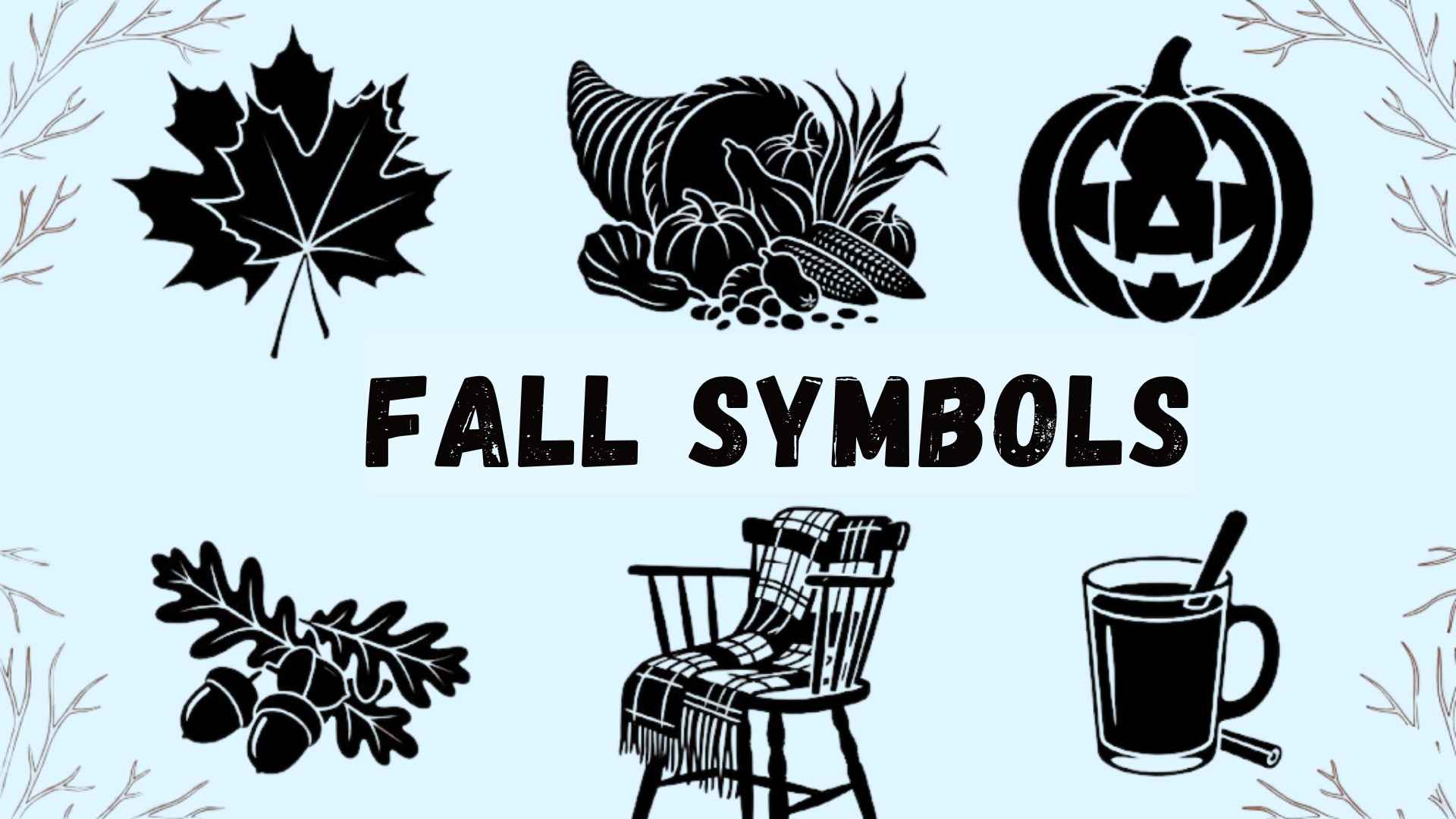
Fall symbols are natural, cultural, and spiritual icons that represent transformation, harvest, impermanence, and the beauty of change. You’ve seen them your whole life: leaves drifting from oak trees, pumpkins lining front porches, golden cornfields at dusk. But most people never stop to ask what these images actually mean or why they feel so deeply familiar.
Autumn does something to people. The air changes, the light softens, and something inside you shifts without warning. Psychologists actually have a name for what many Americans feel in fall: anticipatory nostalgia, a bittersweet awareness that something beautiful is ending. Fall symbols give that feeling a shape. They turn emotion into image, and that’s exactly why they’ve survived across thousands of years of human culture.
This article goes deeper than any seasonal decorating guide. You’ll explore the hidden meanings, cultural roots, psychological science, and spiritual wisdom behind autumn’s most powerful symbols.
What Are Fall Symbols?
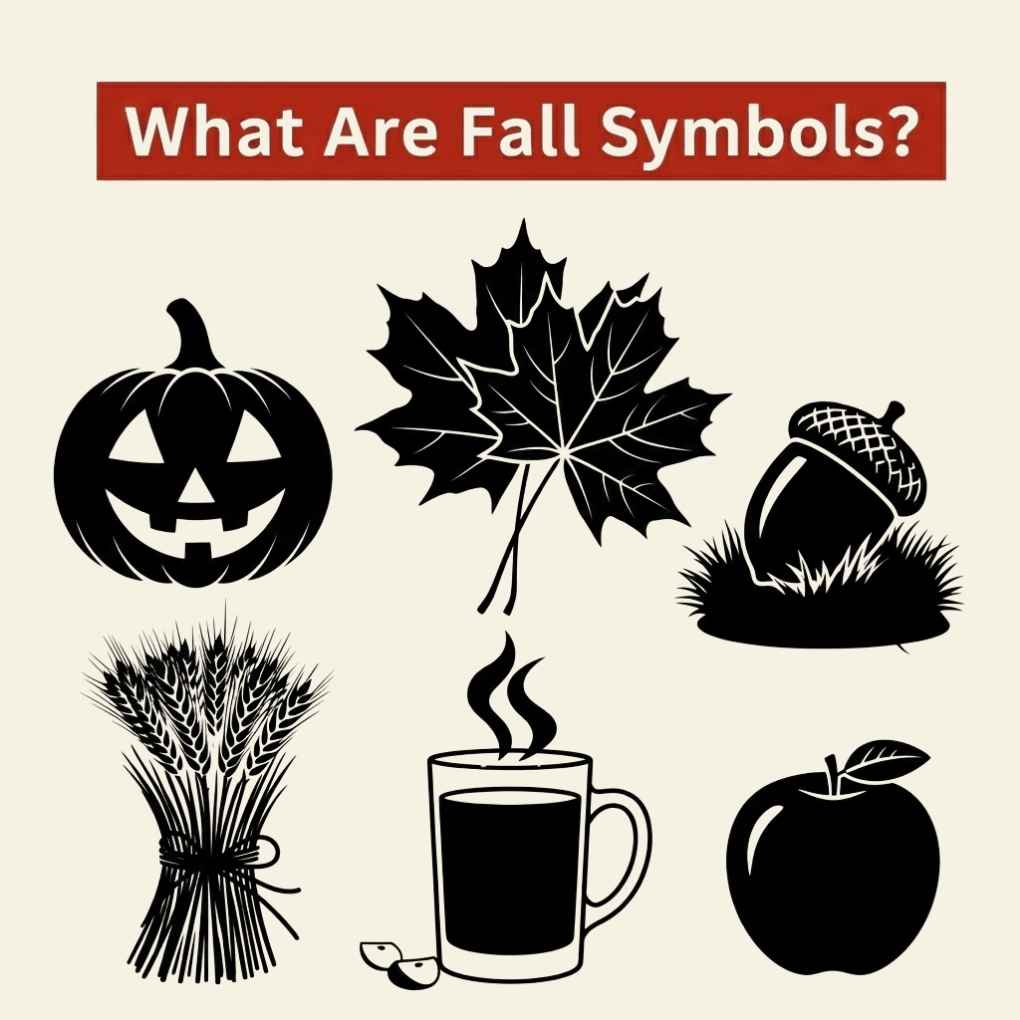
Fall symbols are visual, natural, and cultural elements tied to the autumn season that represent ideas like transition, maturity, harvest, gratitude, and impermanence. They didn’t come from marketing departments or holiday catalogs. They grew out of real human experience.
In ancient agrarian societies, autumn was a matter of survival. The harvest either came in or it didn’t. Crops, leaves, and cooling temperatures weren’t decorations; they were urgent seasonal signals. Over time, those signals collected emotional weight. A falling leaf stopped being just a leaf. It became a reminder that things change, that nothing lasts forever, and that beauty exists even in endings.
Every major civilization on earth developed its own set of autumn symbols, yet they all circle the same themes: letting go, gratitude, wisdom, and renewal after rest. That’s not a coincidence. It reflects something universal about the human experience of seasonal change.
Fall And Autumn Symbols For Text, Emojis And Designs
Today, fall symbols live on your phone just as much as they live in nature. Digital culture has created an entirely new visual language for expressing the season.
Fall Symbols Text
Text-based fall symbols are simple characters people use in social media bios, captions, and creative designs. Common examples include ❦ (a floral heart), decorative leaf characters, and stylized harvest icons. They work because they communicate a seasonal mood instantly, without using a single word.
Fall Symbols Emoji
The most popular fall emojis are 🍂 (falling leaves), 🍁 (maple leaf), 🎃 (jack-o-lantern), 🌰 (chestnut), and 🍄 (mushroom). Each one carries a specific seasonal feeling. The maple leaf signals classic autumn color. The falling leaves suggest movement and change. The pumpkin brings in harvest and Halloween energy.
Fall Symbols Png
Fall symbol PNG files are transparent-background images used in graphic design projects. Designers layer them onto blog headers, digital invitations, and social media templates. Because the background is clear, they blend into any design without looking forced.
Fall Symbols Drawing
Drawing fall symbols is a popular activity in journals, school projects, and seasonal art. Leaves, pumpkins, acorns, and bare branches are common subjects. What makes these drawings meaningful is that they force you to slow down and actually observe the season, which is itself a form of autumn reflection.
Autumn Emoji Combos
Emoji combos build seasonal atmosphere through layering. A popular example: 🍁🍂☕🕯️📚. Together, those five symbols tell a whole story: colorful leaves, a warm drink, candlelight, and a good book. That’s the cozy fall aesthetic captured in five characters.
Fall Emojis Aesthetic
Aesthetic fall emojis focus on warmth and visual softness. Combinations like 🍁🕯️☕🧣 create what designers call a “soft autumn mood,” which is widely used in Instagram captions, Pinterest boards, and mood journaling.
Aesthetic Fall Symbols
Aesthetic fall symbols include maple leaves, candles, coffee cups, warm scarves, and bare branches. They appear in wallpapers, digital planners, and seasonal brand campaigns. What makes them “aesthetic” is their ability to evoke comfort without saying a word.
Fall Symbols Clip Art
Fall clip art includes ready-made illustrated icons of pumpkins, harvest baskets, apples, acorns, and colorful leaves. Teachers use them on worksheets, bloggers add them to seasonal posts, and designers drop them into event invitations. Good clip art reduces design time while keeping the seasonal feeling intact.
Fall Emojis For Instagram
For Instagram, the highest-performing fall emojis are 🍁🍂🎃🧣☕. They signal seasonal content to followers immediately and increase engagement on harvest, lifestyle, and food posts. Using two or three in a caption feels natural; using ten feels forced.
Seasonal And Nature Symbols Of Fall
Winter Symbols
Winter symbols like snowflakes, frost, and bare branches actually help define fall by contrast. Where winter signals stillness and cold, fall signals warmth before the cold, color before the gray. Understanding both seasons together helps you appreciate what autumn uniquely offers.
Symbols Of Fall and Symbols Of Autumn
The core natural symbols of fall include changing leaves, harvest crops, cooling temperatures, pumpkins, acorns, and fog. These aren’t arbitrary. Each one marks a real shift in the natural world. The leaves signal the end of photosynthesis. The harvest signals the end of the growing season. Fog signals longer, cooler mornings.
Interestingly, the science behind falling leaves makes the symbolism even richer. As days shorten, trees stop producing chlorophyll. The green fades, and the red, orange, and gold pigments that were always there become visible. In a very real sense, the tree’s true colors only show when it stops working so hard. That’s a metaphor worth sitting with.
You May Also Like: 45+ Puerto Rican Symbols That Reveal the Island’s True Soul
Things That Represent Fall and What Represents Fall
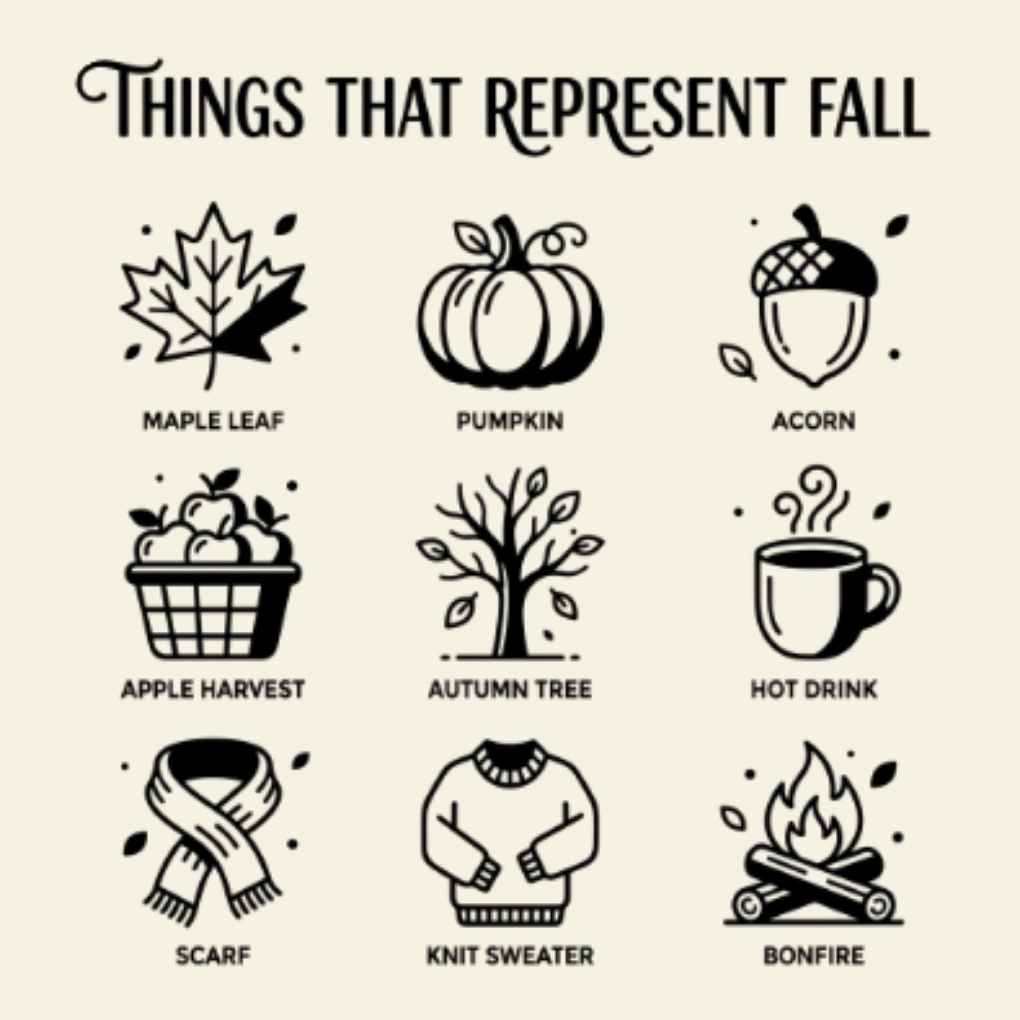
Beyond leaves and pumpkins, fall is represented by apple orchards, migration birds, harvest moons, bonfires, flannel shirts, and warm spiced drinks. These objects trigger what neuroscientists call olfactory memory, the brain’s tendency to link smells and sensory experiences to emotional memories. The smell of cinnamon, wood smoke, or decaying leaves can pull you back to childhood autumns instantly.
Symbol Of Fall and Symbol Of Autumn
The maple leaf is the single most recognized fall symbol in North America. Its five-pointed shape and brilliant color range from gold to deep red make it instantly identifiable. Pumpkins run a close second, largely because of their dual role in harvest tradition and Halloween culture.
Season Fall Symbols
Season fall symbols mark the shift from summer abundance to winter rest. Golden trees, falling acorns, migrating geese, and harvest moons are all seasonal transition symbols. They tell both humans and animals that it’s time to prepare, store, and slow down.
Autumn Symbolism And Spiritual Meaning
Autumn Spiritual Meaning
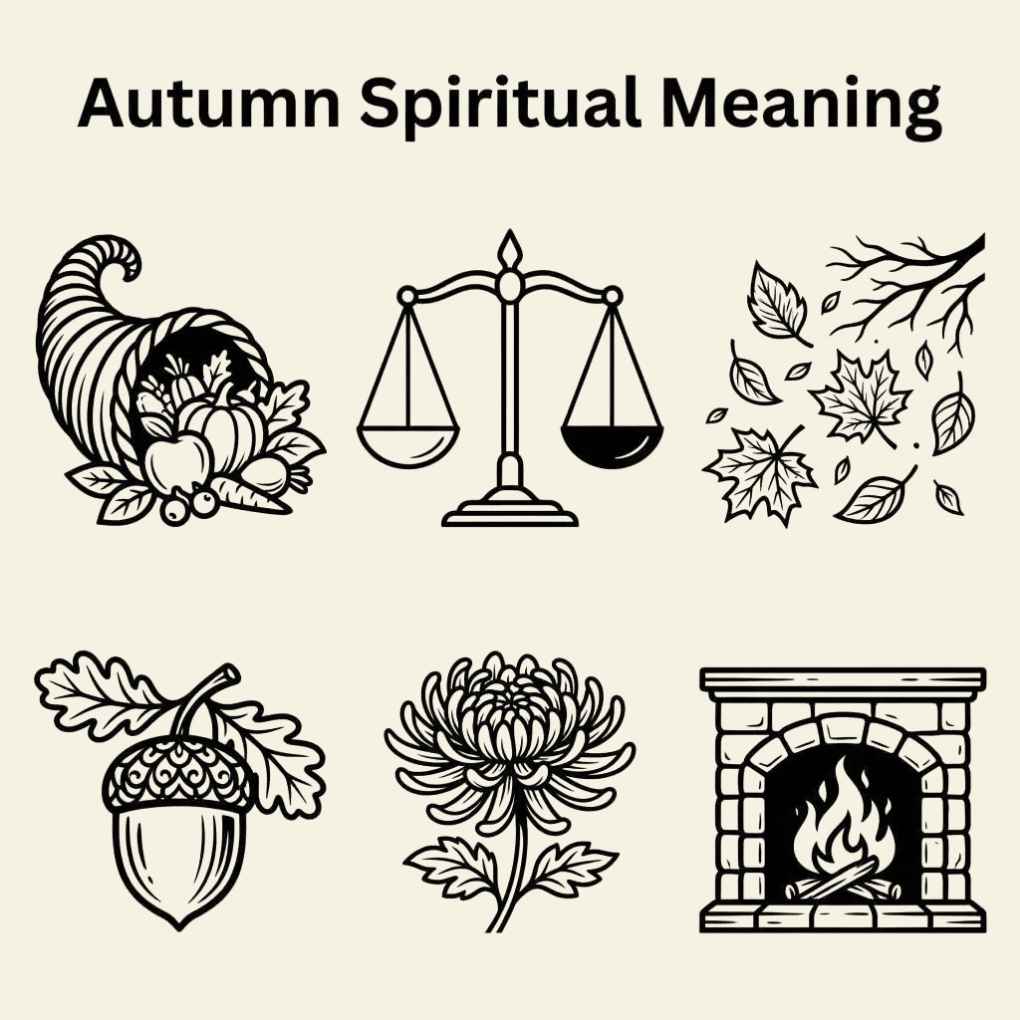
Spiritually, autumn represents surrender. The tree doesn’t fight losing its leaves. It releases them completely, trusts the cycle, and waits. That image has resonated with spiritual traditions across the world for thousands of years because it models something humans struggle with: letting go without fear.
In many Indigenous spiritual traditions, autumn is a time of deep gratitude. You give thanks for what the earth provided, honor what’s ending, and prepare your spirit for the quieter months ahead. This isn’t resignation; it’s wisdom.
Autumn Symbolism and What Does Autumn Symbolize
Autumn symbolism centers on change, maturity, and the passage of time. Just as a tree moves from green to gold, human life moves through phases. Autumn represents the middle and later stages of life: experienced, rich in color, and unafraid of what comes next.
What does autumn symbolize at its core? It symbolizes the beauty of impermanence. The Japanese have a word for this: mono no aware, which translates roughly as “the bittersweet awareness of things passing.” Fall is the season that teaches this lesson most visibly.
What Does Fall Symbolize and What Does Fall Represent
Fall symbolizes transformation and closure. It’s the yearly reminder that endings aren’t failures; they’re completions. In American culture, fall often triggers reflection on the year’s goals, relationships, and growth, which is why journaling and personal reflection peak in autumn months.
Fall represents the natural contract between growth and rest. You can’t grow forever without pausing. Nature doesn’t try to. The harvest is gathered, the fields rest, and the soil rebuilds itself underground. That’s not loss; that’s preparation for renewal.
Fall Symbolism, Symbolism Of Autumn, and Autumn Leaves Symbolism
Autumn leaves symbolism is probably the most universally understood symbolic image on earth. A single falling leaf communicates change, time, and beauty more efficiently than a paragraph of words. In art and poetry, it’s been used to represent everything from a life well-lived to a relationship ending with grace.
The color of the leaves matters too:
- Red leaves symbolize passion, intensity, and the fullness of experience
- Gold leaves symbolize wisdom, abundance, and earned maturity
- Brown leaves symbolize grounding, humility, and returning to earth
- Orange leaves symbolize creativity, warmth, and joyful transition
Fall Season Symbolism and Autumn Season Symbolism
Fall season symbolism reflects nature’s final, most colorful act before winter. It’s not a slow fade; it’s a brilliant performance. Many cultures see this as nature’s way of reminding us that endings deserve celebration, not mourning.
Autumn In Literature And Creative Culture
Autumn Symbolism In Literature
Autumn has been literature’s favorite season for centuries. John Keats’ To Autumn, written in 1819, is still considered one of the greatest odes in the English language. He described autumn as a “season of mists and mellow fruitfulness,” capturing both its abundance and its melancholy in a single phrase.
Rainer Maria Rilke’s Autumn Day opens with the famous lines about the lord of harvest summoning the last fruits to fullness before winter. Shakespeare used autumn imagery repeatedly to represent aging and wisdom. Henry David Thoreau’s Autumnal Tints made the case that we don’t actually see the forest’s true beauty until it begins to die.
What Does Autumn Symbolize In Literature
In literature, autumn consistently symbolizes maturity, nostalgia, and life’s later phases. Writers reach for autumn when they want to show a character experiencing wisdom earned through loss. It’s the season of characters who’ve loved, failed, learned, and arrived somewhere quieter and deeper.
Japanese haiku poets used kigo, seasonal reference words, to anchor poems in time. Autumn kigo like momiji (red maple leaves) and tsuki (the harvest moon) weren’t just descriptions. They were emotional shorthand that every reader understood immediately.
Cute And Simple Fall Symbol Ideas
Cute Fall Symbols
Cute fall symbols make the season feel approachable and joyful. Think tiny smiling pumpkins, round acorns with faces, cozy mugs with steam curling upward, and miniature scarecrows. These appear in children’s books, sticker collections, and seasonal greeting cards. They strip away the melancholy and leave pure warmth.
Simple Fall Symbols
Simple fall symbols work because they don’t try to do too much. A single clean maple leaf outline. One acorn silhouette. A bare tree against a white background. In logo design and minimalist art, these stripped-down versions often carry more emotional impact than detailed illustrations because they leave room for the viewer’s own feelings.
Gaming And Pop Culture Fall Symbols
Kings Fall Symbols and Destiny King’s Fall Symbols
In the Destiny game series, King’s Fall symbols are visual icons players must recognize during the raid’s puzzle mechanics. There are twelve primary symbols including Cleavers, Swords, Fists, and Boats. Teams use these symbols for fast callouts during intense encounters.
King’s Fall Symbols Chart
A King’s Fall symbols chart displays all twelve icons side by side with their names. New players study these charts before entering the raid because misidentifying a symbol under pressure can wipe the entire team. Many Destiny communities share printable versions for quick reference.
Gravity Fall Symbols
Gravity Falls symbols come from Alex Hirsch’s animated series and include a cipher wheel featuring icons like a pine tree, shooting star, six-fingered hand, and shooting star. Fans have spent years decoding hidden messages using these symbols. They represent mystery, hidden knowledge, and the idea that the world contains more than it shows on the surface, which is actually very aligned with real autumn symbolism.
Kings Fall Symbols Red Chest
The red chest in King’s Fall is unlocked by activating symbols in a specific sequence. Players must explore off the main path and recognize the correct symbol combinations. It rewards careful attention and rewards teams who study the symbol chart before entering.
Deep Symbolic Meaning of Fall Symbols
Spiritual Meaning
Spiritually, fall symbols teach surrender and trust. Every major wisdom tradition uses autumn as a teaching tool. Letting go of what no longer serves you, trusting the cycle, resting without guilt, these are autumn’s spiritual curriculum. The tree doesn’t mourn its leaves. You don’t have to mourn your endings either.
Psychological Meaning
Psychologically, fall triggers introspection for biological reasons. Shorter days reduce serotonin production and increase melatonin, which naturally pulls the mind inward. This is why Seasonal Affective Disorder (SAD) affects roughly 10 million Americans and why journaling, therapy attendance, and personal reflection all increase in autumn months.
But there’s a positive side to this psychological shift. The inward turn that autumn triggers is also responsible for some of the deepest creative work, most meaningful conversations, and most honest self-assessment people experience all year. Autumn doesn’t just bring sadness; it brings emotional depth.
Cultural Meaning
Culturally, fall symbols mean abundance, gratitude, and communal preparation. Harvest festivals across cultures, from America’s Thanksgiving to Korea’s Chuseok to the Jewish Sukkot, share the same symbolic core: gather together, give thanks, and prepare for harder times as a community. The specific symbols differ; the human meaning doesn’t.
Types and Variations of Fall Symbols
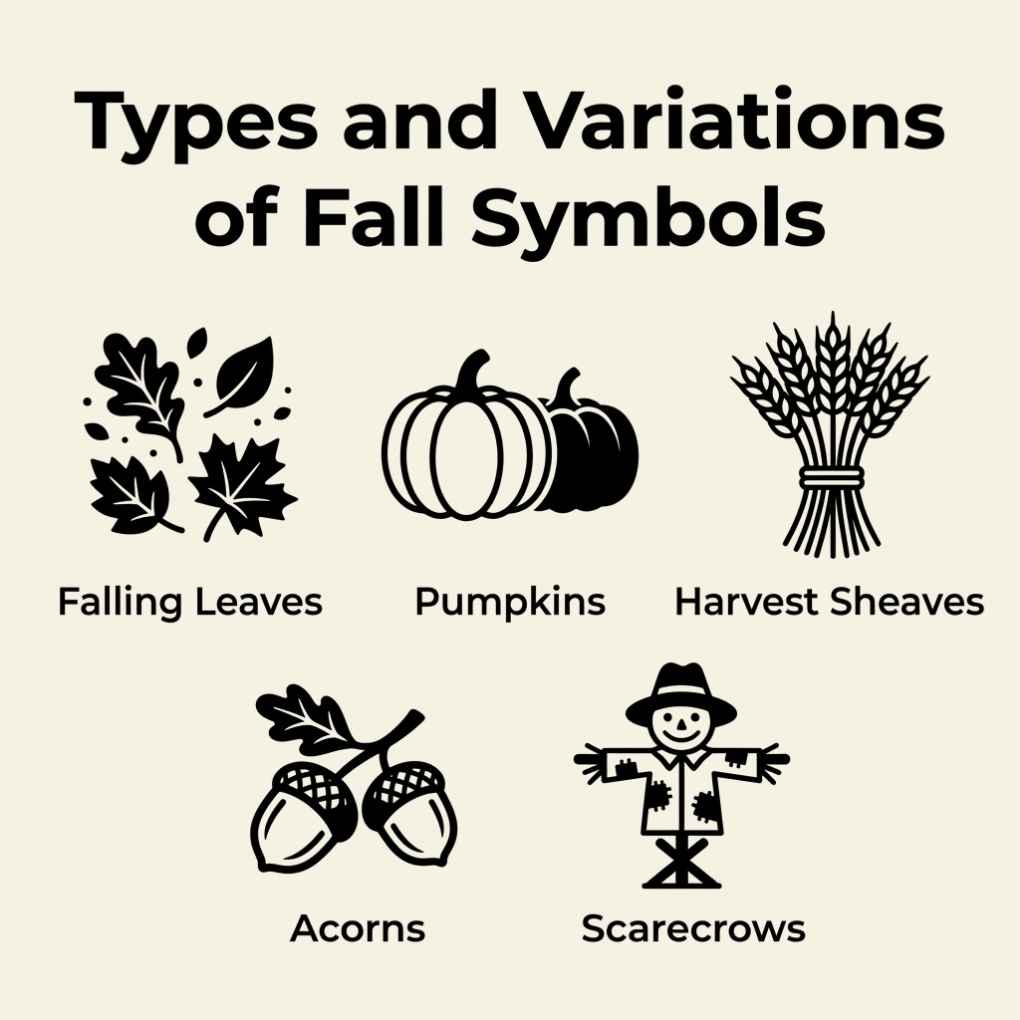
| Symbol | Visual | Core Meaning | Cultural Roots |
| Falling Leaves | Red, gold, orange leaves | Letting go, impermanence | Universal |
| Pumpkins | Round orange gourds | Abundance, protection | Celtic/American |
| Harvest Sheaves | Bundled wheat/corn | Reward, survival | Ancient grain cultures |
| Acorns | Small oak seeds | Potential, patience | Celtic tradition |
| Scarecrows | Human-shaped guardians | Protection, boundaries | Rural European/American |
Pumpkin symbolism runs deeper than Halloween. In ancient Celtic tradition, carved gourds (originally turnips) were lit to ward off spirits during Samhain. In Native American culture, the pumpkin was part of the Three Sisters planting system alongside corn and squash, representing life, community, and interdependence.
Acorn spiritual meaning centers on the idea that great things grow from small, patient beginnings. The Celtic proverb says it best: “Mighty oaks from little acorns grow.” In modern tattoo culture, acorns represent personal potential and the courage to start something new.
Fall Symbols Across Cultures
Ancient Celtic Culture
The Celts observed Samhain on October 31st, marking the end of harvest and the beginning of the dark half of the year. They believed the veil between the living and the dead thinned during this time. Fall symbols like bonfires, carved lanterns, and harvest crops weren’t decorative; they were protective and sacred.
Ancient Greece
Greek mythology gave autumn its origin story through Demeter and Persephone. When Persephone descends to the underworld each year, Demeter’s grief stops the earth from growing. Autumn is the beginning of that grief. Spring is her return. This myth made autumn symbolize loss, love, and the promise that what leaves always comes back.
East Asian Cultures
In Japan, Momijigari (autumn leaf-viewing) is a centuries-old tradition as culturally significant as cherry blossom viewing in spring. The autumn moon festival celebrated in both Japan and China centers on family reunion, harvest gratitude, and reflection. Korean Chuseok shares similar themes, honoring ancestors and celebrating the year’s harvest.
Native American Traditions
Many Native American nations observed deep harvest season meaning through ceremonies honoring corn, squash, and the earth’s generosity. The Three Sisters (corn, squash, and beans) weren’t just food crops; they were living symbols of interdependence, community, and respect for natural cycles.
Medieval Europe
Medieval Europeans associated autumn with mortality and reflection. Harvest church festivals gave thanks while acknowledging the coming darkness. Paintings from this period often depicted autumn as an older figure, wise-faced and golden-robed, carrying the season’s fruits while standing at the edge of winter.
Fall Symbols in Art, Movies, and Pop Culture
In film, autumn scenes almost always signal emotional turning points. When a director wants to show a character arriving at wisdom, accepting loss, or making a life-changing decision, they film it in fall. Think of the leaf-strewn paths in Dead Poets Society or the amber-lit streets in You’ve Got Mail. The season does emotional work that dialogue can’t.
Vivaldi’s Autumn from The Four Seasons captures the harvest’s energy and the season’s melancholy in music with remarkable precision. Chopin’s nocturnes, though not explicitly about fall, are consistently described as “autumnal” because of their reflective, bittersweet quality.
In tattoo culture, fall symbols carry deeply personal meaning. Maple leaf tattoos often represent personal transformation. Bare tree tattoos symbolize resilience through loss. Acorn tattoos celebrate new beginnings. These aren’t random choices; they’re people using autumn’s symbolic language to tell their own stories on their skin.
Spiritual and Dream Meaning of Fall Symbols
Dreaming of falling leaves typically signals emotional release and readiness for closure. If the leaves are colorful and drifting gently, the dream suggests a peaceful transition. If they’re falling fast and bare branches remain, it may indicate anxiety about loss or change.
Harvest imagery in dreams, fields of wheat, full barns, abundant fruit, usually represents rewards arriving for past efforts. Your subconscious is processing completion and abundance.
From a Jungian perspective, bare autumn trees in dreams represent the unconscious preparing itself. The tree has shed its outer expression and gone inward. This often appears during periods of significant personal growth when the inner work is happening below the surface, invisible but essential.
Positive vs Negative Meanings of Fall Symbols
Positive
- Growth through release: Letting go creates space for something new
- Gratitude and abundance: The harvest is evidence that effort produces results
- Wisdom and maturity: Autumn represents earned experience, not decline
- Autumn and renewal: Rest before growth is necessary, not failure
Negative
- Loss and decay: Endings genuinely hurt, and autumn honors that truth
- Fear of change: Not everyone finds the transition comfortable
- Loneliness and melancholy: Shorter days and emptying trees can amplify isolation
- Impermanence: The reminder that nothing lasts can feel threatening rather than freeing
Both sets of meanings are valid. Fall symbols hold the full complexity of human experience because autumn itself doesn’t pretend. It doesn’t rush toward either joy or grief. It simply changes, completely and beautifully, and invites you to do the same.
Why Humans Are Drawn to Fall Symbols
There’s a biological reason you feel something when autumn arrives. The combination of cooler temperatures, lower light, changing smells, and shorter days triggers real neurological shifts. Your brain produces more melatonin, your body naturally slows, and your mind turns inward. Fall doesn’t just feel reflective; it’s designed to be.
The olfactory system (your sense of smell) is the only sense with a direct pathway to the brain’s memory and emotion centers. The smell of wood smoke, damp leaves, or warm cinnamon travels directly to the hippocampus and amygdala, which is why autumn smells trigger memories more powerfully than almost anything else.
But beyond biology, humans are drawn to fall symbols because they validate feelings we’re often afraid to express: sadness about endings, longing for the past, uncertainty about what comes next. Autumn makes those feelings acceptable. The whole world around you is changing and releasing, so you’re allowed to do the same. That permission is rare and deeply comforting.
FAQs About Fall Symbols
What do fall symbols represent spiritually?
Fall symbols spiritually represent surrender, letting go, inner growth, and trusting life’s natural cycles.
Why are falling leaves the most popular autumn symbol?
Falling leaves visually represent impermanence, transformation, and the beautiful acceptance of natural change.
What does autumn symbolize in different world cultures?
Autumn symbolizes harvest, gratitude, ancestral honoring, and seasonal transition across Celtic, Asian, and Native American cultures.
Are fall symbols associated with death or endings?
Fall symbols represent peaceful endings and restful renewal, not death, reminding us change is natural.
Why do humans feel more emotional and reflective during autumn?
Shorter days reduce serotonin, increase melatonin, and naturally push the human mind toward reflection and nostalgia.
Conclusion
Fall symbols are more than seasonal decoration. They’re one of the oldest emotional languages humans have ever developed. A maple leaf, a carved pumpkin, a bare tree against a gray sky: each one carries centuries of meaning about change, gratitude, impermanence, and the courage to let go.
When you look at autumn through this lens, the season transforms. The leaves aren’t dying; they’re completing. The harvest isn’t an ending; it’s a reward. The bare branches aren’t empty; they’re resting, gathering strength for what comes next.
You’ve been surrounded by fall symbols your whole life. Now you know what they’ve been trying to tell you.

Mubeen is a passionate writer at Auramegazine who explores symbolism, hidden meanings, and powerful signs behind everyday symbols. He enjoys creating simple, engaging content that helps readers understand deeper meanings and cultural connections.