55+ Symbols of Courage: Every Historical Variation & Meaning
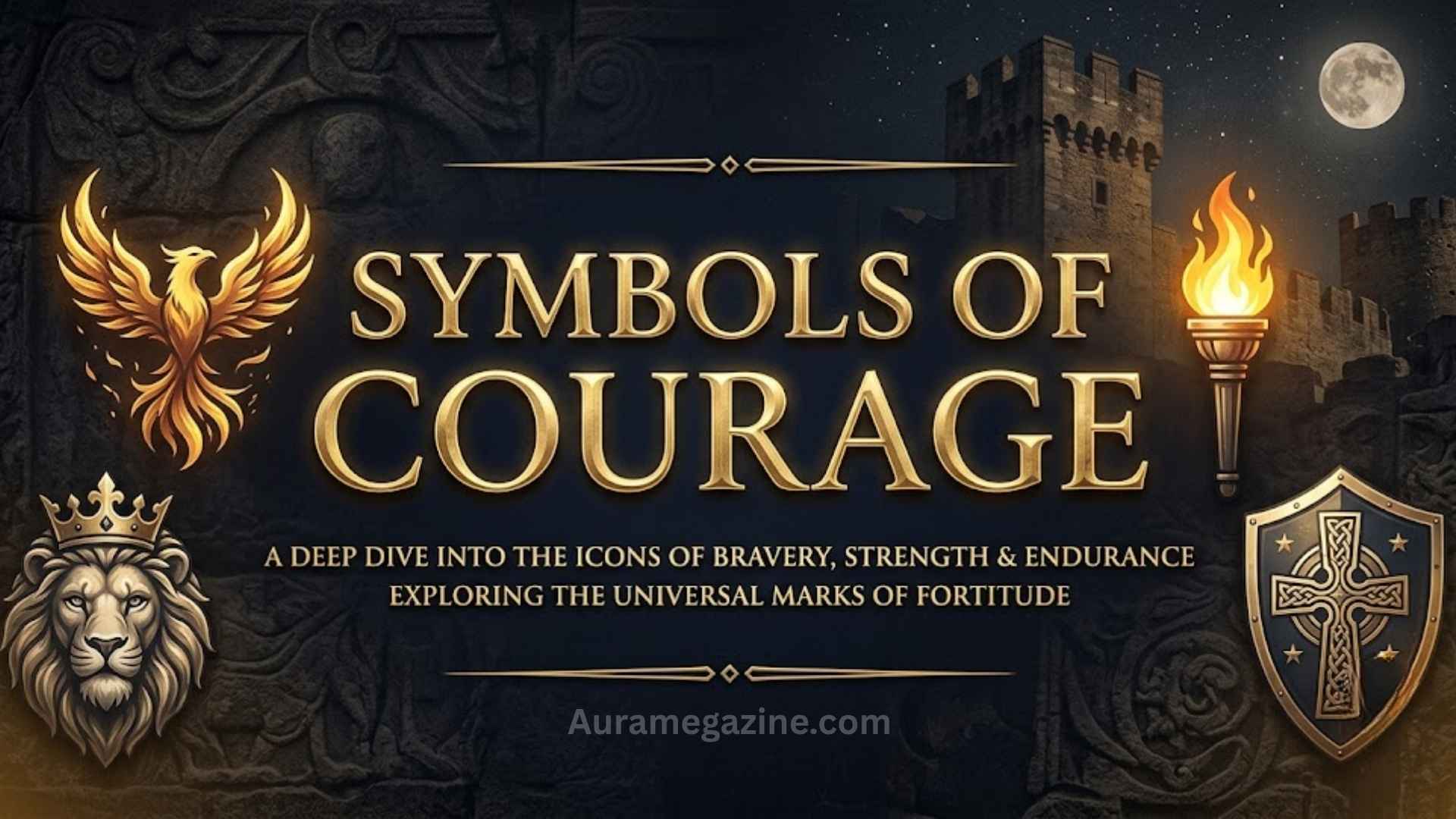
Symbols of courage are universal representations of bravery, strength, and determination that humans have used for thousands of years to inspire confidence and face fear. Whether you’re drawn to the power of a lion, the resilience of a phoenix, or the steadiness of an anchor, these symbols carry profound meaning across cultures, spirituality, and psychology.
But what makes a symbol truly represent courage? And why do certain symbols resonate with us while others don’t? In this guide, you’ll discover the most powerful courage symbols throughout history, their deep meanings, and how you can harness their power in your own life.
What Are Symbols of Courage?
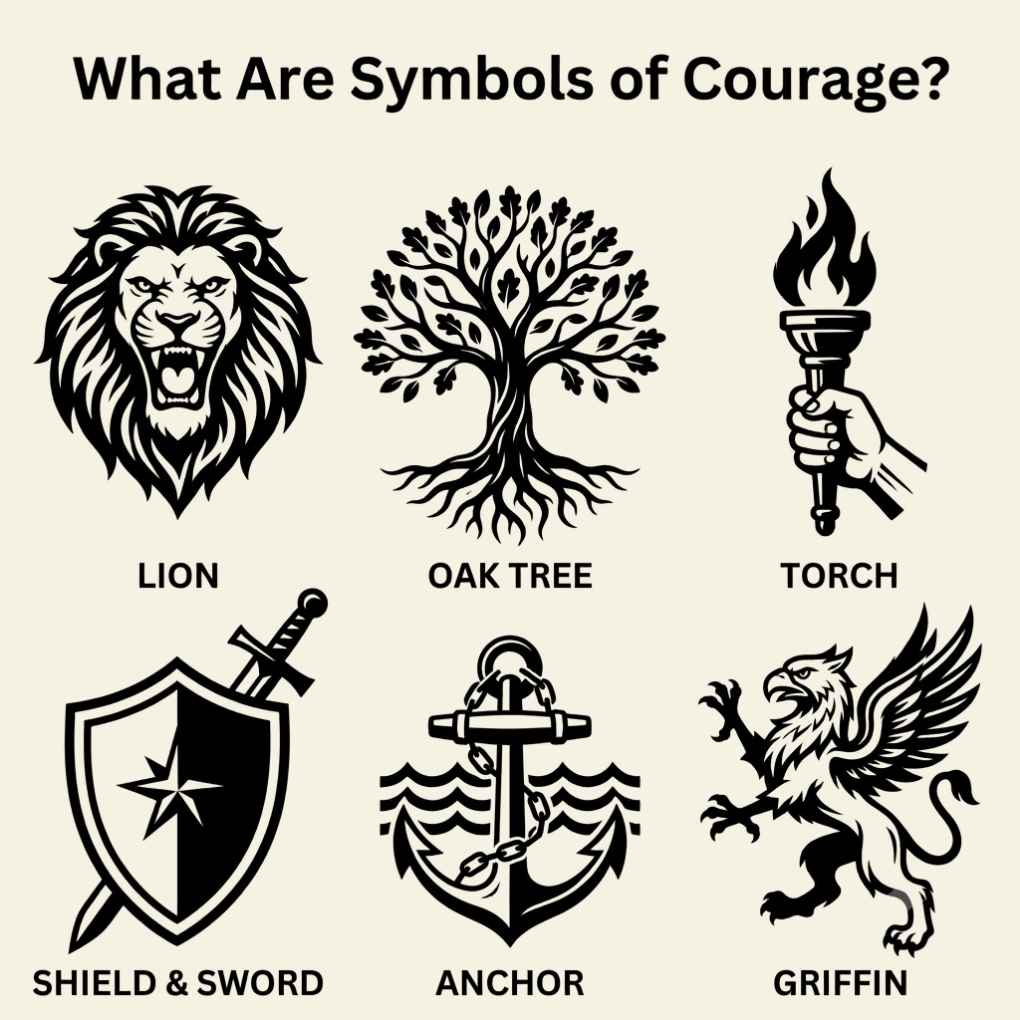
Courage symbols are representations of bravery that cultures create to inspire and motivate people. They work through psychological association—your brain links the symbol to qualities like strength and fearlessness.
These symbols appear in ancient artifacts, warrior traditions, and modern design because they fulfill a basic human need. They remind us that we can face challenges, just like the lion faces prey or the phoenix rises from ashes.
Symbols gain power through cultural agreement and personal meaning. A lion means courage to millions globally, but your personal symbol might be something tied to your own life experience.
Animal Symbols of Courage
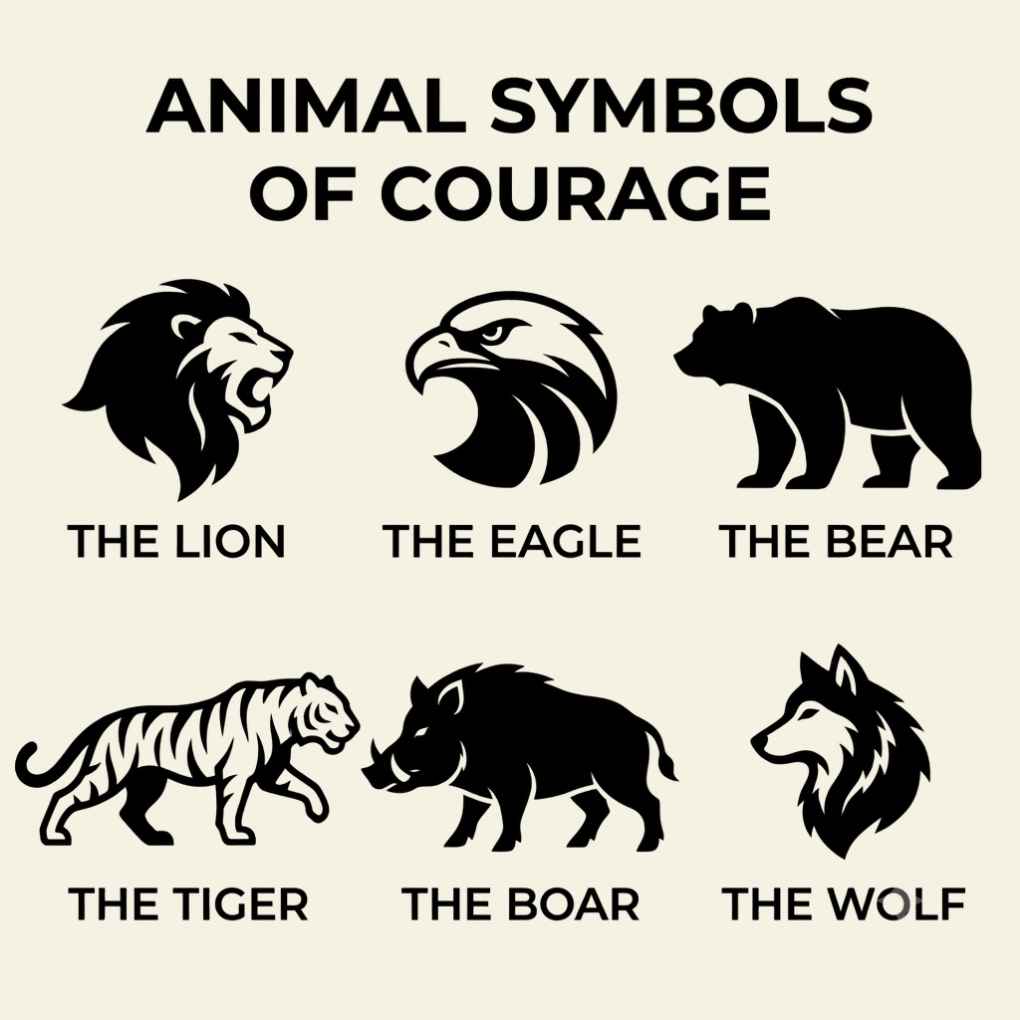
The lion is the most recognized courage symbol worldwide. It hunts boldly, protects its pride fiercely, and moves through the world with absolute confidence. Medieval heraldry used lions extensively on shields and crests.
The eagle represents vision and fearlessness. Native Americans see it as a spiritual messenger, while Romans made the eagle their military standard. Losing an eagle in battle brought shame to entire legions.
The bear symbolizes protective strength and intuition. Indigenous cultures revere bears as healers and defenders. A mother bear protecting cubs shows courage that transcends physical power. The tiger in Asian traditions represents fierce determination and independence. The boar symbolizes charging forward without hesitation. The wolf represents loyalty and wild courage.
Flower Symbols of Courage
Red flowers like poppies and roses represent courage and sacrifice. They’re used to honor brave individuals and fallen heroes across cultures.
Wildflowers symbolize resilience and the ability to thrive in difficult conditions. They grow where nothing else can, showing quiet strength.
Sunflowers represent bold facing forward and seeking light despite darkness. Yellow and orange flowers symbolize optimism and inner strength during hardship.
Color Symbols of Courage
Red is the universal color of courage, bravery, and passion. It’s used in flags, uniforms, and symbols globally because it grabs attention and conveys intensity.
Gold represents honor, achievement, and fearless success. It’s the color of victory medals and royal symbols.
Blue symbolizes calmness and the courage to stay steady under pressure. It’s used in military and professional uniforms to represent stability.
Orange represents bold action, creativity, and the courage to be different. Purple connects to nobility and wise decisions made with bravery.
Specific Types and Symbolic Symbols for Courage
Symbolic Symbol for Courage
Sacred geometric symbols like the spiral and interlocking patterns represent courage without using recognizable imagery. These abstract symbols work across language barriers and religious traditions.
The circle represents wholeness and courage to be complete. The triangle pointing upward symbolizes striving and reaching toward strength. Sacred geometry uses mathematics to create symbols humans find inherently meaningful.
Mandala patterns represent the journey inward to find courage within yourself. Geometric shapes persist across cultures because they tap into something universal in human psychology.
Woman Symbols of Strength and Courage
Woman Symbols of Strength and Courage have been used throughout history across different cultures to represent the resilience, power, and determination of women everywhere.
Athena from Greek mythology represents wisdom and courage combined. She’s not depicted as soft; she’s a warrior goddess wearing armor.
Kali in Hindu tradition represents fierce protective power and the courage to destroy what’s harmful. She’s dark, wild, and unapologetically powerful.
Joan of Arc became a symbol of feminine courage through her actions, showing that women can lead with conviction and face death for their beliefs.
Modern women symbols include activists, leaders, and everyday women who show courage in their communities. Feminine courage often includes vulnerability, protection of others, and standing firm despite criticism.
Symbol for Strength and Resilience
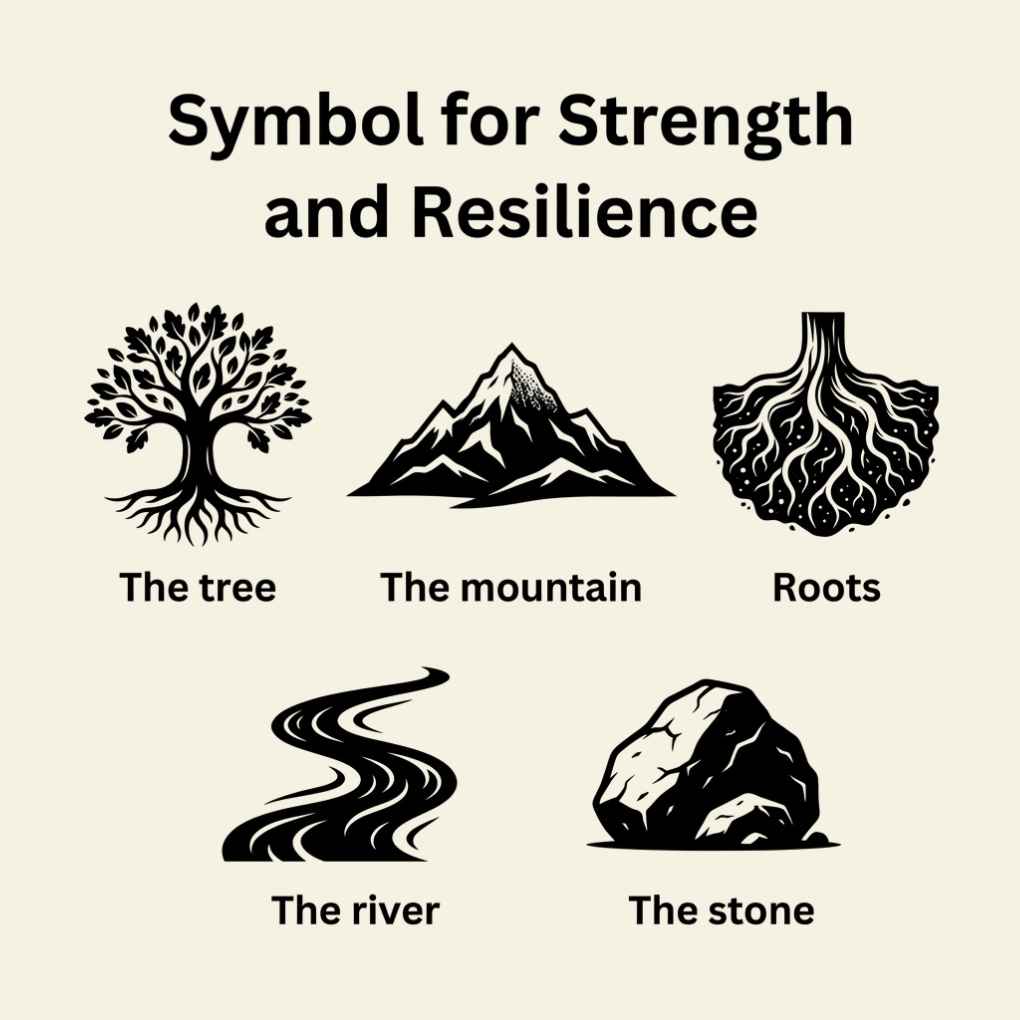
Resilience symbols emphasize endurance and persistence rather than explosive power.
- The tree represents both strength and flexibility—it bends in storms but doesn’t break.
- The mountain symbolizes unshakeable strength and the patience to climb toward your goals.
- Roots represent grounding and drawing strength from deep foundations.
- The river shows strength through flow and adaptation. It overcomes obstacles by going around them, not through force alone.
- The stone represents solid, unchanging inner strength.
Symbol for Courage Tattoo
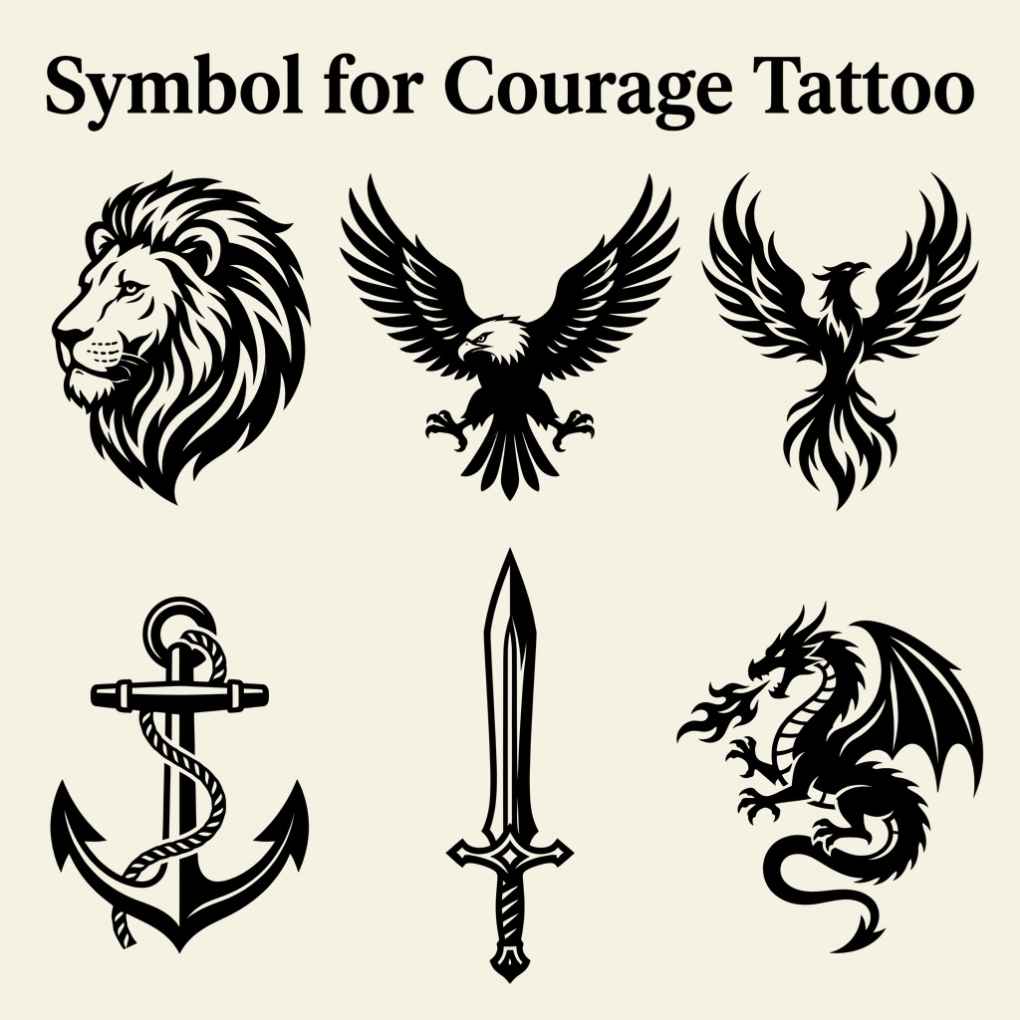
Lion tattoos are the most popular choice, appearing on shoulders, chest, and arm. They represent personal power and fearlessness.
- Eagle tattoos symbolize vision and spiritual strength.
- Phoenix tattoos represent rebirth and rising from difficulty.
- Anchor tattoos represent stability and emotional grounding.
- Sword tattoos represent cutting through obstacles.
- Dragon tattoos symbolize power and wisdom. Placement matters—chest tattoos are closer to the heart, while arm tattoos show your courage publicly.
You May Also Like: 49+ Birth Month Symbols That Reveal Your True Personality And Destiny
Cultural Symbols of Courage Around the World
Celtic Symbols
The Dara Knot features interlocking lines with no beginning or end, representing interconnected strength. It shows courage comes from community and deep roots.
Celtic spirals represent the journey inward and outward, personal growth and spiritual development. Celtic crosses combine Christian and Celtic traditions, representing faith and strength together.
The triquetra or trinity knot represents balance, protection, and the three realms of Celtic spirituality.
Native American Symbols
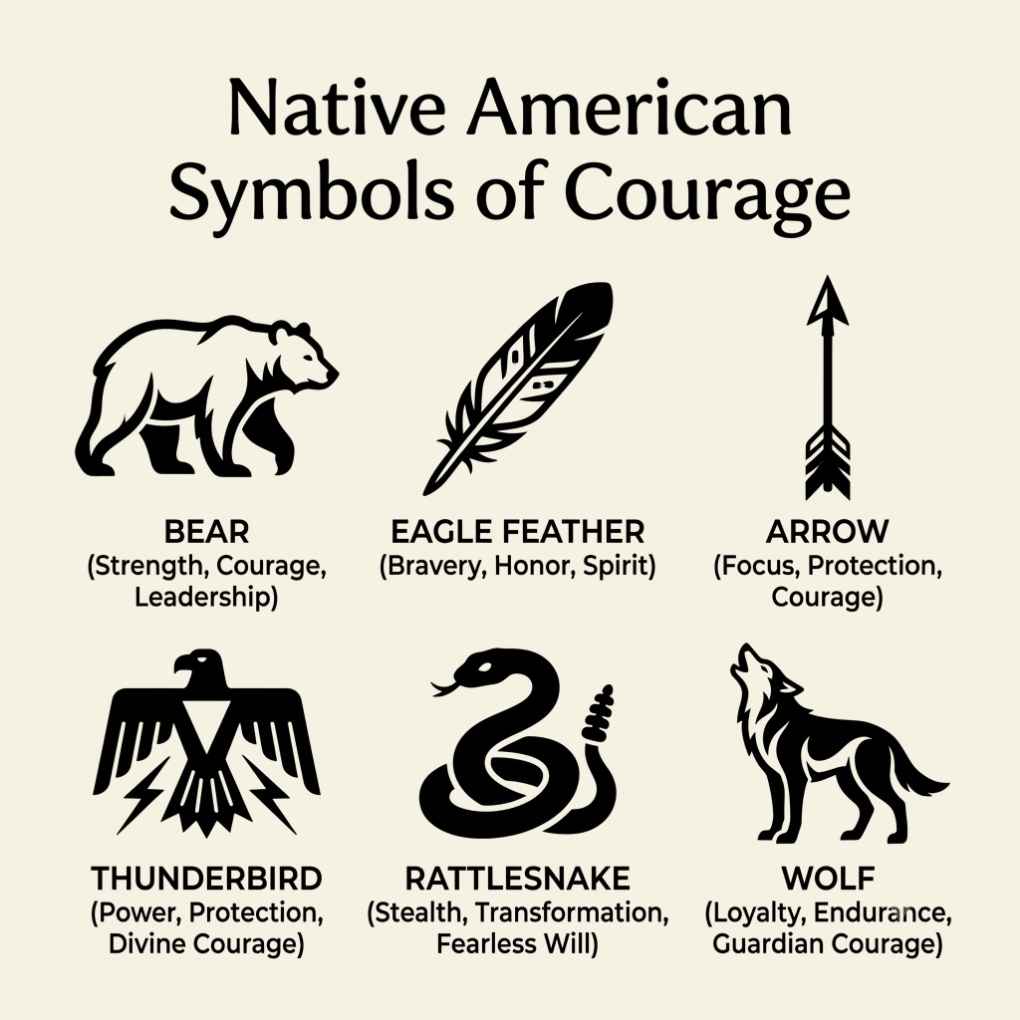
The eagle feather is sacred, representing spiritual courage and direct connection to the Creator. It’s earned through actions and behavior, not given lightly.
Thunderbird symbolizes power, protection, and the courage to command respect. Animal spirits represent specific lessons—the wolf teaches loyalty, the bear teaches introspection.
Vision quests are ceremonies where young people seek courage symbols through spiritual experience. The symbol each person receives is unique to their path.
You May Also Like: 69+ Top Symbols Of America That Shaped American History And National Identity
Greek Symbols
Athena represents strategic courage and wisdom in battle. She’s the goddess who values bravery with intelligence, not reckless heroism.
The Greek lion appears throughout mythology and art as the supreme symbol of power. The laurel wreath honors brave soldiers and victorious athletes. Heracles and his twelve labors represent courageous perseverance against impossible odds.
Roman Symbols
The Roman eagle (aquila) was so important that entire legions were named after their eagles. Losing one in battle brought permanent shame.
The gladius sword represented the warrior spirit of Rome. Laurel wreaths honored military courage and achievement. Roman virtus was the concept of virtue linked directly to courage and strength.
Chinese Symbols
The dragon represents imperial power, wisdom, and celestial strength. Unlike Western dragons to be slain, Chinese dragons are benevolent and wise.
The tiger symbolizes fierce determination and power in Asian traditions. Feng shui uses specific symbols to invite courage and protection into spaces. I Ching symbols represent different types of strength and the courage required in life transitions.
Japanese Symbols
Samurai code (bushido) created symbols of honor, discipline, and the courage to face death. The katana sword represents the warrior’s soul.
Cherry blossoms symbolize life’s beauty and the courage to accept impermanence. Dragons in Japanese tradition represent wisdom and hidden strength. Kanji characters for courage (勇気) directly represent the concept in written form.
African Symbols
The lion dominates African symbolism as the king of all animals and the embodiment of courage. Tribal warrior symbols vary by nation but emphasize protection and community defense.
Masks used in ceremonies represent ancestral courage and spiritual power. Geometric patterns in African textiles often encode symbols of strength and protection. Talking drums and oral tradition preserve stories of brave ancestors.
Deep Symbolic Meaning
Spiritual Level
Symbols serve as gateways to higher consciousness and ancestral wisdom. Meditation on a courage symbol connects you to the collective energy humans have channeled for millennia.
Chakra systems use symbols to represent energy centers. The solar plexus chakra (yellow) connects to personal power and courage. Yoga poses like “lion’s breath” activate this chakra.
Ritual use of symbols in ceremonies creates psychological shifts that align your consciousness with courage.
Psychological Level
Carl Jung identified archetypes—universal symbols found across all human cultures. The “warrior” archetype represents your internal power to fight for what matters.
When you choose a courage symbol, you’re telling your brain to embody that quality. Your subconscious then works to align your behavior with that identity.
Symbols trigger neural pathways similar to actual experiences, making them effective for building real confidence and resilience.
Cultural Level
What represents courage changes across time and place. Medieval knights symbolized bravery differently than modern activists standing for justice.
Symbols preserve cultural identity and connect generations. Using a Celtic symbol connects you to your heritage. Using a Native American symbol requires respect and understanding.
Globalization changes symbols as cultures blend and new meanings emerge.
Types and Variations of Symbols of Courage
1. The Lion (Sher)
The lion hunts boldly and protects its pride without hesitation. Its confidence is absolute—it walks through the world as if it owns it.
Across cultures, lions represent kingship, nobility, and raw power. The lion isn’t strategic; it’s direct and fearless. Leo zodiac signs carry lion symbolism. Brands use lion logos to convey strength and leadership.
2. The Dara Knot
This Celtic symbol features interlocking lines representing strength, roots, and interconnection. No beginning or end means continuous strength.
It appears in jewelry, tattoos, and modern design while carrying ancient meaning. The knot represents that courage comes from being woven into something larger than yourself.
You May Also Like: Symbols for Hope | Meanings, History, and Powerful Inspirations
3. The Phoenix
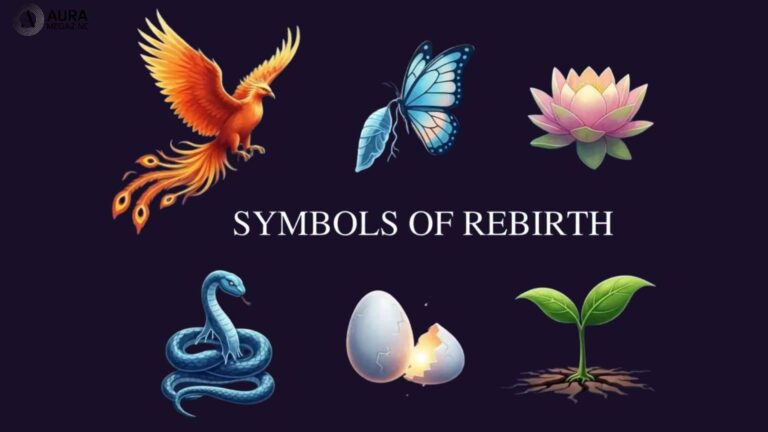
Rising from ashes symbolizes rebirth and transformation through fire. This mythical bird appears across Egyptian, Chinese, and European traditions.
The psychological power is tremendous—it tells you failure isn’t the end but preparation for something greater. People choose phoenix symbols when recovering from major life challenges.
4. The Golden Eagle
The eagle hunts from above, seeing what others cannot. This perspective is crucial to courage—knowing when to act and when to wait.
Native Americans view the eagle as a spiritual messenger. Romans made it their military standard. Eagle symbolism combines physical power with wisdom and vision.
5. The Gladius Sword
The Roman gladius represents cutting through obstacles with direct action. A sword doesn’t defend passively; it cuts through.
Symbolically, it represents cutting through self-doubt, fear, and confusion to reach truth. Warriors used swords as symbols of their status and commitment.
6. The Dragon
Western dragons must be slain, representing conquering fear and obstacles. Chinese dragons are wise and benevolent.
Both versions work as courage symbols but teach different lessons about power. Dragons appear in virtually every culture, adapted to local values.
7. The Bear
Bears face down competitors fiercely and protect their young with total commitment. They’re solitary hunters showing individual courage.
Indigenous cultures revere bears as healers and protectors. Bear medicine teaches intuition and inner strength. Mother bear symbolism represents protective courage.
8. The Tiger
Tigers hunt with fierce determination and confidence. They’re independent and powerful, respecting no hierarchy.
Asian martial arts connect tiger energy to both fierce action and meditative presence. Tiger symbolism emphasizes mastery and focused power.
9. The Anchor (Langar)
The anchor holds steady through storms, representing emotional stability and grounding. It’s used in maritime symbolism and mental health awareness.
Anchor tattoos remind you to stay grounded when circumstances feel chaotic. It represents the courage to hold your position despite pressure.
10. The Boar (Jungli Suar)
Boars charge forward without hesitation, tusks first. They don’t calculate risk; they act. Medieval European heraldry used boars as symbols of fierce warriors. Asian traditions valued boar for determination. Boar symbolism represents stubborn, unwavering courage.
Symbols of Courage Across Cultures
Warrior Engineering Culture
Warrior cultures developed courage symbols deliberately. War strategy, armor design, and insignia all reinforced codes of honor.
Training methods created psychological frameworks where courage was the highest value. Weapons became extensions of symbolic identity. Battle formations represented group courage and unity.
Modern Western Culture
Contemporary Western courage shows up in sports heroes, film characters, and social activists. Superhero symbols represent modern archetypes.
Social media shares courage symbols across communities instantly. Workplace courage often means speaking up against injustice. Mental health awareness has created new courage symbols around vulnerability and recovery.
Digital and Psychological Age Culture
Virtual symbols and online communities create new courage representations. Mental health symbols replace physical warfare imagery.
Emotional intelligence and vulnerability appear as forms of courage. Technology makes symbols instantly accessible globally. Social media activism uses symbols to unite movements.
Ancient Symbolic Parallel
Universal human needs for courage symbols appear across millennia. Archaeological evidence shows symbols persisted for thousands of years.
Certain symbols work across all cultures because they tap into something universal in human nature. Ancient wisdom about courage remains relevant today.
Symbols of Courage in Art, Movies and Pop Culture
- Filmmakers use courage symbols to make stories resonate emotionally. Superhero symbols (Superman’s S, Batman’s symbol) become cultural icons.
- Book covers and posters leverage courage symbolism to attract readers. Museums feature art installations exploring brave themes.
- Street art and public murals make courage symbols accessible. Musicians use symbols in videos to strengthen messages.
- Celebrity adoption of courage symbols influences millions. Pop culture then influences how symbols are understood globally.
- Gaming creates virtual courage representations and challenges. TikTok spreads courage symbols virally to younger audiences.
Spiritual and Dream Meaning of Symbols of Courage
Dreams featuring courage animals carry significant meaning. Dreaming of a lion represents your personal power. Dreaming of a phoenix means transformation.
The collective unconscious means certain symbols carry shared meaning across humanity. Archetypes in dreams connect you to ancestral wisdom. Meditation journeys with courage symbols create psychological shifts. Chakra balancing uses symbols to open energy centers.
Tarot cards feature courage symbolism—the Strength card shows a woman taming a lion through calm power. Synchronicity means repeated symbols in your life carry personal messages. Shamanic traditions use symbol journeys for healing and power retrieval.
Positive vs Negative Meaning
Positive Meaning
Courage symbols inspire and uplift when used intentionally. They motivate during challenges and build genuine confidence. Community forms around shared symbols. Symbols fuel personal empowerment and growth. They create hope and represent possibility.
Negative Meaning
Symbols can be weaponized to intimidate and threaten. Extremist groups appropriate symbols for harmful purposes.
Toxic masculinity misuses courage symbols to justify aggression. Oppressive regimes use symbols to control populations. Context determines whether a symbol builds people up or tears them down.
Why Humans Are Attracted to These Symbols
Evolutionarily, courage meant survival. Humans descended from people brave enough to take risks.
Courage symbols address the need to feel capable. They create psychological resilience through imagery and meaning.
Wearing symbols communicates identity and values, creating social belonging. You join invisible communities of people who value courage. Symbols activate neural pathways, making them genuinely effective psychological tools.
FAQs
What’s the most powerful symbol of courage?
The most powerful symbol is personal. Choose one that creates emotional response aligned with your values and beliefs.
Can I create my own courage symbol?
Absolutely. Personal symbols are incredibly powerful because they carry your unique meaning. Create one representing your authentic journey today.
Do courage symbols actually work?
Yes, symbols work through psychological priming. They keep your mind focused on courage, inspiring real bravery throughout your life.
Can I wear multiple courage symbols together?
Yes, layer symbols as long as each feels right to you. Different symbols support areas of your spiritual life.
Are courage symbols religious or secular?
Symbols adapt across all belief systems. They work both spiritually and culturally, fitting all religious and secular world interpretations.
Conclusion
Symbols of courage are far more than decorative choices. They’re psychological tools, spiritual connectors, and cultural bridges that link you to thousands of years of human bravery. Whether you’re drawn to the lion’s fearlessness, the phoenix’s resilience, or the anchor’s steadiness, each symbol offers genuine power when you understand what it means and consciously work with it.
The most important insight is this: the symbol doesn’t give you courage. It simply reminds you that you already possess it. Your job is to choose a symbol that resonates with you, understand its meaning deeply, and let it guide your choices and actions. When you face fear, that symbol becomes your internal advisor, silently asking: “What would the lion do? What would the phoenix teach me?”
Start by exploring which symbols call to you. Read their stories. Feel their energy. Let one of these ancient representations become your modern reminder that humans have always been capable of tremendous bravery.

Mubeen is a passionate writer at Auramegazine who explores symbolism, hidden meanings, and powerful signs behind everyday symbols. He enjoys creating simple, engaging content that helps readers understand deeper meanings and cultural connections.